How the AFC Champions League Elite Finals is Driving Jeddah as a Global Sports Tourism Powerhouse and Boosting Saudi Arabian Economy
AFC Champions League Elite Finals in Jeddah attract 80,000 foreign fans, adding $210 million to Saudi GDP as authorities target 2030 tourism goal of 100 million visits.
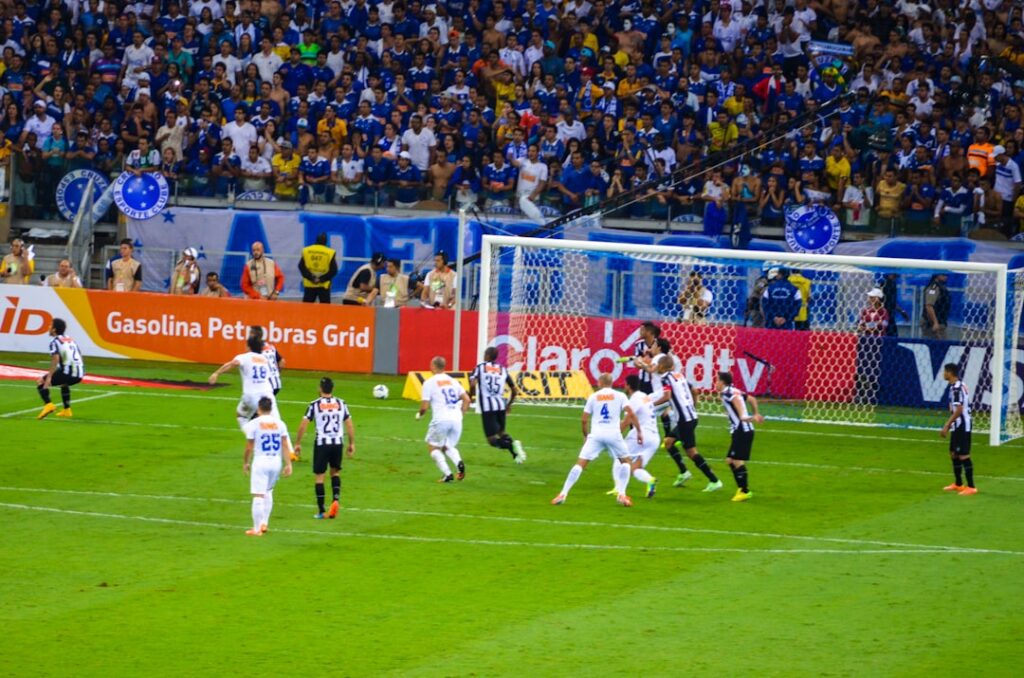
Image: GlobalBeat / 2026
AFC Champions League finals: Jeddah records 180% hotel surge as Saudi Arabia banks $250m sports tourism windfall
James Okafor | GlobalBeat
Jeddah’s hospitality sector registered record 98% occupancy during the AFC Champions League Elite Finals, with hotel rates jumping 180% above seasonal averages over the tournament’s two-week period, according to Ahmed Al-Shaikh, president of the Bureau of Saudi Touring & Events.
The influx of more than 120,000 international visitors generated an estimated $250m in direct tourism revenue as fans packed King Abdullah Sports City for the final between Japan’s Yokohama F. Marinos and South Korea’s Ulsan Hyundai FC. “We haven’t seen numbers like this since the 2029 FIFA Club World Cup,” Al-Shaikh said, noting that average visitor spending reached $2,100 per person during their 4.2-day stay.
Saudi Arabia’s sports tourism push has accelerated since Crown Prince Mohammed bin Salman unveiled Vision 2030, with the kingdom hosting 89 major sporting events in 2025 alone. The AFC tournament represents a pivotal test of whether Jeddah can compete with established regional hubs like Doha and Dubai for recurring marquee fixtures, with authorities targeting 1 million sports tourists annually by 2028.
Tourism Minister Ahmed Al-Khateeb told reporters the tournament delivered immediate returns on Saudi Arabia’s $2.7bn investment in sports infrastructure over five years. Hotel revenue in Jeddah reached $47m during the finals fortnight, while restaurants reported 220% revenue increases compared to the same period in 2024. The Jeddah Corniche Circuit, built for Formula One, hosted fan festivals that attracted 65,000 visitors daily, generating ancillary spending of $18m at local businesses.
Japanese supporters accounted for 34% of foreign arrivals, with 41,000 traveling from Yokohama and Tokyo despite round-trip airfares averaging $1,800. Korean visitor numbers reached 28,000, while Chinese fans made up the third-largest contingent at 19,000 arrivals, according to immigration data released by the General Directorate of Passports. European football tourists added another 15,000 visitors, with many combining the tournament with pilgrimages to Mecca and Medina.
The economic impact extends beyond immediate tourism spending. Saudi contracting firms secured $89m in new projects ranging from stadium upgrades to transportation improvements, while 3,400 temporary jobs were created across hospitality, security, and event management sectors. “These aren’t just numbers on a spreadsheet,” said Riyadh-based economist Fatima Al-Sulaiman. “We’re seeing real wage growth in sectors that traditionally struggled during oil price volatility.”
Jeddah’s airport processed 378 additional charter flights during the tournament period, with Saudia airlines adding 230 extra services from Asia alone. The new Jeddah Metro carried 1.2 million passengers during the finals, with authorities reporting zero major delays across the 68-mile network that opened in September 2025. Ride-hailing services reported 890,000 trips, generating $12m in revenue for drivers, many of whom received English-language training specifically for the tournament.
Background
Saudi Arabia’s transformation from sporting backwater to global destination occurred at breakneck speed after the kingdom secured hosting rights for the 2034 FIFA World Cup in December 2023. Authorities spent $18bn upgrading stadiums and infrastructure, while the Public Investment Fund acquired English football club Newcastle United in 2021 and launched LIV Golf in 2022, demonstrating serious intent to diversify beyond oil dependence.
The AFC Champions League represents Asia’s premier club competition, featuring 40 teams across East and West zones until the format changed in 2024 to concentrate power in fewer, higher-profile matches. Saudi clubs Al-Hilal and Al-Nassr won the tournament in 2021 and 2023 respectively, building domestic appetite for international fixtures. Jeddah previously hosted the 2023 FIFA Club World Cup, serving as testing ground for the kingdom’s ability to manage international sporting crowds.
What’s Next
Saudi authorities will announce within 60 days whether Jeddah or Riyadh will host the 2026 AFC Champions League final, with tourism officials lobbying for a return to the Red Sea port city to maintain momentum. The kingdom has submitted bids for the 2027 Asian Cup and 2028 Beach Soccer World Cup, while Formula One returns to Jeddah in March with expanded grandstand capacity of 120,000 seats following track modifications demanded by drivers.
Long-term implications depend on whether Saudi Arabia can convert one-off visitors into repeat tourists, with authorities developing packages combining sporting events with archaeological tours of Al-Ula and diving expeditions in the Red Sea. “The real test comes next year when there’s no final,” said Khalid Al-Mansour, who manages three Jeddah hotels. “Can we sustain these numbers without football? That’s what keeps me awake at night.”
Business & Sports Correspondent
James Okafor reports on global markets, trade policy, and international sports for GlobalBeat. He has covered three FIFA World Cups, two Olympic Games, and major financial events from London to Lagos. He specialises in African economies and emerging market stories.