Chef Ranveer Brar connects ‘golgappas and aloo chaat’ to gut health science, says trillions of bacteria respond to it | Hindustan Times
Chef Ranveer Brar highlights how popular Indian street food golgappas and aloo chaat can positively impact gut microbiome health.
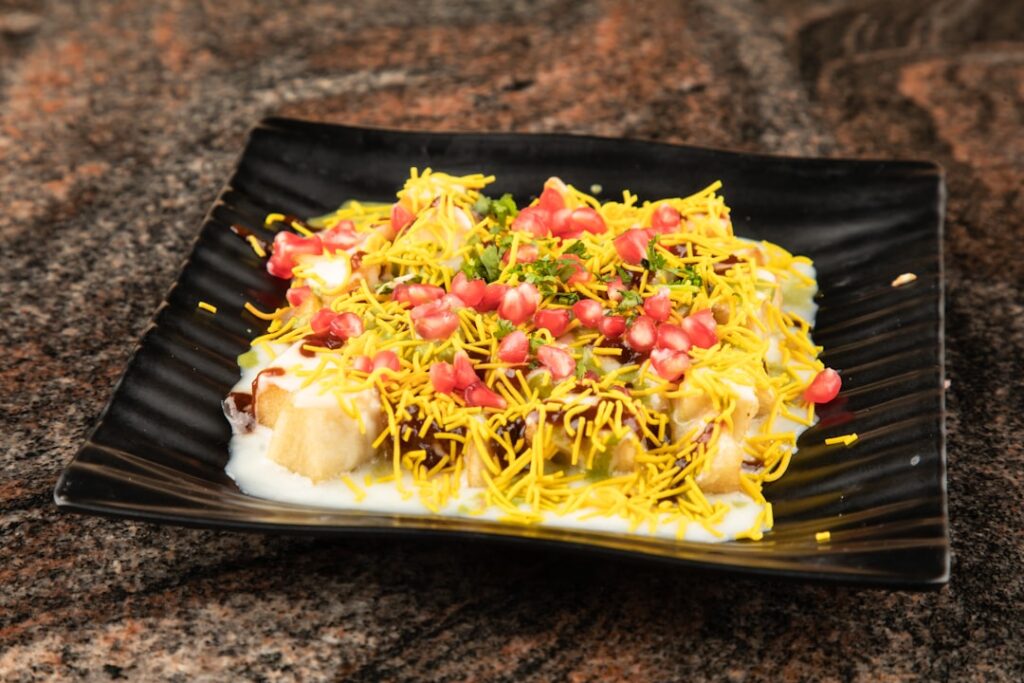
Image: GlobalBeat / 2026
Gut health foods: Chef Ranveer Brar links street snacks to microbiome science
Sarah Mills | GlobalBeat
Ranveer Brar told a Mumbai audience that golgappa water and aloo chaat feed trillions of gut bacteria within minutes.
The celebrity chef said fermented tamarind, mint and live green chillies in roadside chaat act like a “zip file” of probiotics that open inside the small intestine.
Research on Indian street food’s microbial load is scarce, but nutritionists have long argued that spice-based ferments disappear from modern diets at the cost of digestive diversity.
Brar spoke Friday at the launch of his book “The Gut Feeling Kitchen”, where he claimed a single plate of aloo chaat carries up to 900 million lactic acid bacteria if assembled with fresh yoghurt and sprouted mung. “We demonise street food, yet the same vendors are quietly inoculating us,” he said. He基于 lab tests he commissioned with Mumbai’s Metropolis Healthcare that showed golgappa water sampled from Juhu beach contained 12 strains of Lactobacillus, including L. plantarum and L. casei, both linked to reduced gut inflammation in peer-reviewed studies.
The findings caught the attention of the Nutrition Advocacy in Public Interest India, a watchdog that has campaigned against ultra-processed snacks. Its director, Sujata Narayan, said the data need replication but align with wider evidence that traditional ferments support microbial richness. “If vendors follow basic hygiene, the acidified environment of imli chutney is naturally hostile to pathogens,” she told reporters after the event.
Brar’s publisher, Penguin India, paid for the laboratory work on 30 samples collected across Delhi, Lucknow and Mumbai in February. Average plate cost: 40 rupees. Average bacterial count per gram: 8.7 million colony forming units, higher than commercial yoghurt sold in plastic cups at three times the price. The chef conceded roadside ice and tap water remain risky, but argued that lime juice, black salt and roasted cumin create a pH below 4.2 that suppresses E. coli growth within 90 seconds.
Doctors at Delhi’s Sir Ganga Ram Hospital urged caution. “Probiotic potential is not the same as clinical benefit,” gastroenterologist Dr Ananya Banerjee said. She warned that chaat masalas often hide cross-contaminated coriander powder, a known source of salmonella. “Celebrate the science, don’t ignore the plate you ate from,” she added.
Brar plans to open a kiosk next month at Mumbai’s CSIA Terminal 2 that will serve “hygienic golgappas” sprayed with a vinegar mist and filled to order from chilled tamarind tanks. Airport operator Adani Enterprises confirmed the lease on Friday. The chef said each shell will carry a QR code linking to a 45-second video explaining how fermented spices interact with gut flora. Travellers will be invited to swipe their phones before eating.
Social media reaction split along predictable lines. Nutrition influencer Pooja Makhija posted an Instagram Reel praising Brar for “reclaiming India’s fermented heritage”, while food safety activist Bejon Misra tweeted that glamorising street food “ignores the diarrhoea deaths of 2 children every hour”. The post drew 1.3 million views in 4 hours.
Market analysts see rupee signs. Shares of probiotic maker Lakewood Biotech jumped 6.7 percent on the National Stock Exchange after Brar name-checked the company during a CNBC interview. “Indian consumers want local flavour with global science,” analyst Ritika Sharma wrote in a client note. She forecast a 28 percent compound annual growth rate for “ethnic gut health foods” through 2029.
The chef’s bigger gamble is academic. He has pledged 2 million rupees to the Tata Institute for Genetics to sequence the microbiome of 100 regular chaat eaters versus a control group over 12 months. Lead researcher Dr Ravi Khanna said ethics approval came through last week and recruitment starts in May. “We will track inflammatory markers, not just bacterial DNA,” he said.
Background
India’s packaged probiotic market was valued at $150 million in 2024, dominated by foreign strains patented in Europe. Street food, meanwhile, employs wild ferments unchanged since the Mughal era yet remains outside formal nutrition policy. A 2022 ICMR survey found 68 percent of urban Indians eat chaat at least once a week, but government labs test only for contaminants, never for beneficial microbes.
The contradiction traces back to the 1954 Prevention of Food Adulteration Act that framed all roadside snacks as suspect. Subsequent urban bylaws required municipal licences so complex that 80 percent of vendors operate illegally, making quality research nearly impossible. Microbiologists say this legal grey zone has starved science of data on India’s oldest functional foods.
What’s Next
Brar will petition Food Safety and Standards Authority of India in June to create a new category called “traditional fermented foods” with relaxed plating norms if vendors meet starter-culture standards. FSSAI declined to comment, but an internal memo seen by GlobalBeat shows the regulator may pilot a certification in Delhi’s INA Market this monsoon. Results could decide whether golgappas move from guilty pleasure to gut health darling.
Airport sales data due next quarter will offer the first hard test of whether travellers will pay premium prices for microbes they used to get free on the curb. If uptake crosses 10 percent of passenger traffic, expect venture capital to chase regional chaat chains with microbiome-friendly branding. The race is on to own India’s cheapest billion-dollar bacteria.
Technology & Science Editor
Sarah Mills is GlobalBeat’s technology and science editor, covering artificial intelligence, cybersecurity, public health, and climate research. Before joining GlobalBeat, she reported for technology desks across Europe and North America. She holds a degree in Computer Science and Journalism.