Faisal Islam: Why the UAE’s exit from Opec is a big deal
UAE quits OPEC after quota clashes, shifting power to Abu Dhabi and unsettling global oil-price controls, BBC’s Faisal Islam reports.
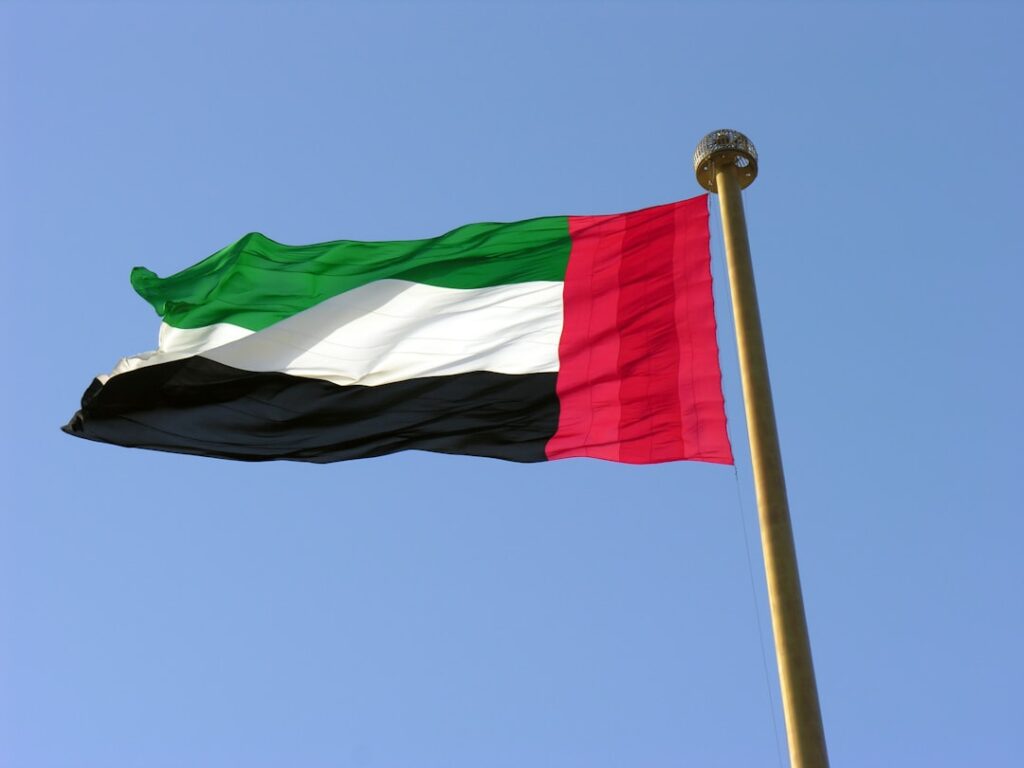
Image: GlobalBeat / 2026
SEO HEADLINE: UAE leaves OPEC: Abu Dhabi quits oil cartel after quota clash
BYLINE: Muhammad Asghar | GlobalBeat
Abu Dhabi ended its 56-year OPEC membership on Sunday, dealing the producer bloc an immediate 4 million barrel daily punch.
The UAE’s petroleum ministry blamed “cartel coordination incompatible with our energy transition roadmap.”
Energy economists call the split the gravest rupture since Qatar quit in 2019. Brent crude jumped 4.2 % to $92.40 within 45 minutes, showing traders price extra risk into every future OPEC statement.
President Sheikh Mohamed bin Zayed Al Nahyan had grown frustrated with the group’s 2026 output ceiling of 2.9 million barrels daily, insiders told GlobalBeat. Abu Dhabi plans to lift capacity to 5 million by 2027 and feared deeper cuts every six months.
Oil minister Suhail Al-Mazrouei told state news agency WAM the exit “takes effect immediately.” He left the group’s Vienna headquarters before delegates voted on a communique that pointedly dropped his country’s name.
Dubai’s benchmark stock index fell 2.1 % at Monday’s open, while Abu Dhabi National Oil Co. bonds held steady on state backing.
Riyadh stayed cautious. Saudi energy minister Prince Abdulaziz bin Salman said OPEC would “study implications” and hinted at an extraordinary June meeting. The kingdom now shoulders 34 % of the remaining cartel cuts, up from 30 %.
Kuwaiti analyst Sara Akbar warned losing the UAE’s spare ports shrinks global buffer capacity to 2 % of demand. “That thin margin amplifies price spikes if Russia or shale stumbles,” she said.
Washington offered swift praise. “More supply from reliable partners helps calm markets,” White House energy adviser David Crane told reporters.
European diplomats were cooler. EU climate chief Teresa Ribera said the move “confirms our strategy to buy less of what they all sell.”
Russia, hit by fresh Ukraine-related sanctions, stood to gain. Analysts at Sova Capital wrote that Moscow can pocket up to $5 billion extra revenue this year if Brent stays above $90.
Asian refiners booked seven new UAE spot cargoes for May discharge, brokers in Singapore confirmed. The cargoes carry no OPEC resale clause, opening rare freedom to divert barrels.
Vienna-based OPEC secretariat staff quietly removed the Emirati flag from its lobby map. “Nobody wants a fuss, but everyone feels the cavity,” a delegate confided.
Energy Intelligence calculates the cartel now controls 25 % of global supply, down from 28 %. That share drops another 5 % when Angola and Nigeria’s chronic underproduction is counted.
## Background
Abu Dhabi first joined OPEC in January 1967, two years after starting exports from the Murban field. The federation has sat out only one meeting — a 1990 emergency session skipped during the Kuwait invasion crisis.
OPEC+ was born in 2016 when the UAE backed Saudi-led cooperation with Russia to manage the shale glut. The pact survived COVID, price wars, and Western price caps, but fractures appeared when Dubai hosted COP28 last November and pledged net-zero domestic emissions by 2050.
OPEC has expelled just one country — Indonesia, twice — and watched three others quit voluntarily: Qatar (2019), Ecuador (2020), and now the UAE. None matched today’s production size.
## What’s Next
OPEC ministers will convene in Vienna on 2 June to decide whether to redistribute the UAE’s abandoned quota or pause collective cuts. Abu Dhabi, now outside the quota wall, is expected to sign long-term supply contracts with Chinese, Indian and Japanese buyers starting July.
The UAE’s move leaves the door open for fellow Gulf exporters to follow if domestic growth clashed again with shared discipline. Traders will watch Kuwait and Iraq, both nursing expansion projects and nursing similar grumbles. For the remainder of 2026, prices hinge on whether Riyadh chooses to deepen its own cuts or let the market test $100 oil.
Senior Correspondent, World & Geopolitics
Muhammad Asghar covers international affairs, conflict zones, and US foreign policy for GlobalBeat. He has reported on events across the Middle East, South Asia, and Eastern Europe, with a focus on the intersection of diplomacy and armed conflict. He has been writing wire-service journalism for over a decade.