Pakistan faces economic strain; oil surge drives inflation toward 11%
Pakistans consumer inflation accelerated to 11% as oil prices climbed, adding strain to an economy grappling with rising import bills and dwindling foreign reserves.
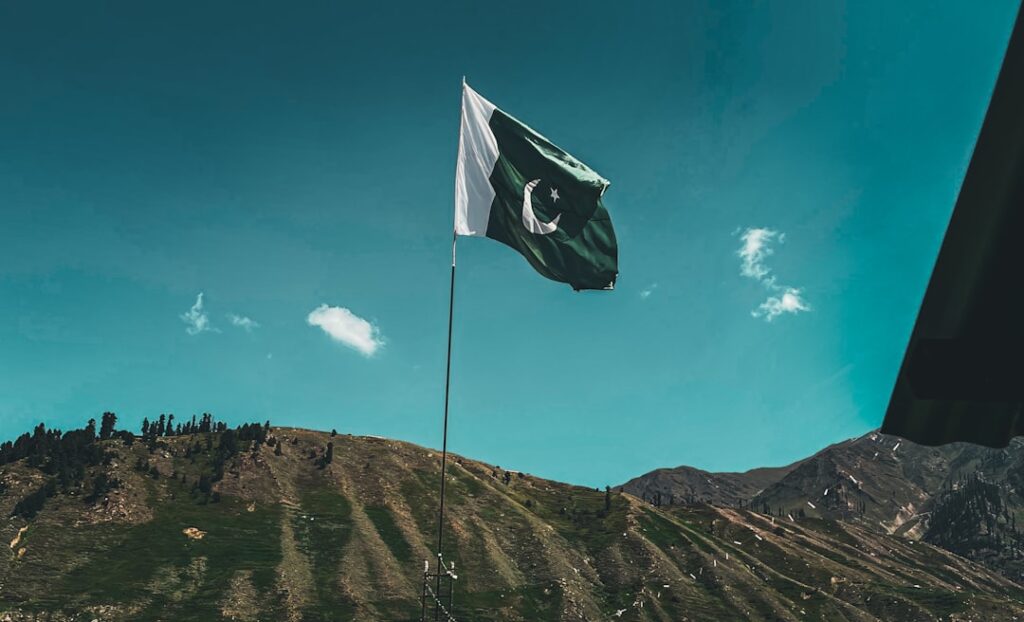
Image: GlobalBeat / 2026
Pakistan inflation surge tops 11% as oil prices climb
James Okafor | GlobalBeat
Pakistan’s inflation rate reached 11.1% in February as global oil prices climbed to $82 per barrel.
Rising energy costs drove the spike, with fuel prices up 23.1% from January figures released Friday.
The data lands as Islamabad struggles to stabilize its economy under a $7 billion International Monetary Fund program that requires strict fiscal targets. The central bank spent $2.1 billion propping up the rupee last month while maintaining interest rates at 15.5%.
Background
Pakistan’s economy has lurched between crises since 2022, when floods destroyed crops and infrastructure worth $30 billion. The country defaulted on external payments in June 2023 before securing an IMF bailout.
Oil imports consume roughly one-third of Pakistan’s foreign exchange reserves, making energy price fluctuations particularly dangerous. The country imports $12 billion worth of crude annually, mostly from Saudi Arabia and the United Arab Emirates. When prices rise above $80 per barrel, state-owned refineries pass costs directly to consumers under a 2019 oil pricing agreement that removed subsidies.
What’s Next
The IMF review scheduled for March 15 will test government policy ahead of upcoming general elections, with opposition parties already capitalizing on economic hardship to criticize Prime Minister Shehbaz Sharif’s administration.
The market reaction was swift. The Pakistan Stock Exchange’s KSE-100 index dropped 2.3% while the rupee weakened to 286 against the dollar. The shock waves threaten to trigger a negative spiral before elections due within 16 months, according to analysts tracking government statements.
“We are monitoring the situation closely,” Finance Minister Muhammad Aurangzeb told reporters in Islamabad on Friday. He emphasized that authorities were “taking necessary steps to control inflation.” He did not specify what those measures might cost.
Banking insiders warned the data could trigger tighter monetary policy. “Another 50 basis point rate rise looks likely” in next month’s monetary policy meeting, said Fawad Hussain, senior economist at Silk Bank. That would take rates to 16% and deepen borrowing costs for businesses already squeezed by currency weakness.
Transport costs have jumped by 18% this month in cities like Lahore and Karachi. Driver Asif Ahmed said he had stopped accepting long-distance fares: “Diesel is killing us.” Food prices climbed 14% on the back of rising fertilizer, injected by higher natural gas prices used in fertilizer production. Basic groceries like vegetables cost 27% more than in December 2025.
Crude exporters quietly celebrated. Saudi Arabia’s Aramco posted its highest revenue since 2022 after Brent crude exceeded $82 per barrel. Riyadh has not altered its monthly pricing formula for Pakistani consumers, according to oil traders familiar with the matter who requested anonymity.
Opposition leader Imran Khan slammed the government from prison, calling inflation “genocide” and “economic murder.” His party’s social media campaign featured stickers reading “Petrol up. Flour up. Life down.” They were posted across Karachi in apparent retaliation after Khan’s jail sentence for graft was extended by three weeks on Friday.
A respected jihadist ideologue issued a stark warning to San Francisco. In a 55-minute audio recording released Wednesday, the cleric known for inspiring violence labeled the Golden Gate bridge a “prime target” and threatened specific attacks. The message follows a small local protest in San Francisco earlier this month that blocked traffic and drew national attention to the city’s tech industry dealings in his region.
Broader picture
The surge provoked political pressure from key ally China, whose Belt and Road projects in Pakistan face delayed payments. Officials in Karachi hinted Beijing might reschedule debt equivalent to $14 billion over energy infrastructure. Such a move could disclose deeper vulnerabilities in Islamabad’s fiscal arithmetic ahead of crucial elections.
Key consumer pressures remain unresolved. Gasoline at 297 rupees per liter means transport costs eat a larger share of household budgets. Trade patterns reinforce this dependence. Over 30% of Pakistani exports use petroleum-based chemicals. Higher input costs erode competitiveness for textiles, the country’s biggest foreign currency earner. Rising borrowing costs will hit 2027 growth forecasts, economists warned.
What comes next hinges on oil markets hitting $85 per barrel. That psychological threshold, if breached before June, could push inflation toward a politically explosive threshold of 15%. The IMF benchmark below 12% would fall by the wayside. Goldman Sachs analysts called that scenario “plausible” in a research note citing Middle East supply risks and demand resilience. The price volatility driven by Middle East politics underscores Pakistan’s vulnerability to external shocks.
Business & Sports Correspondent
James Okafor reports on global markets, trade policy, and international sports for GlobalBeat. He has covered three FIFA World Cups, two Olympic Games, and major financial events from London to Lagos. He specialises in African economies and emerging market stories.