Chancellor to offer support over rising heating oil costs
Chancellor Rachel Reeves says Treasury reviewing options to aid vulnerable households hit by rising heating oil costs.
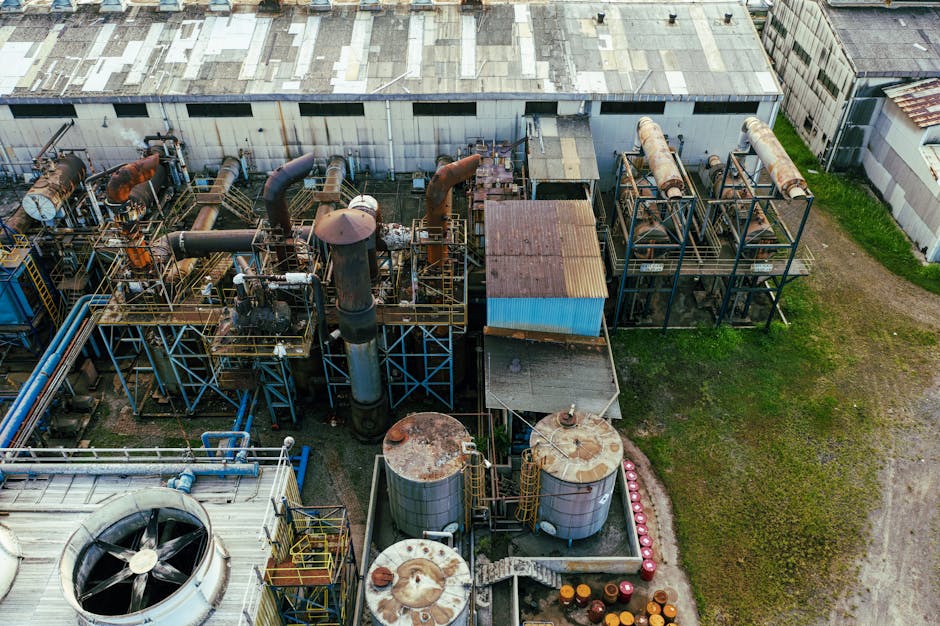
Image: GlobalBeat / 2026
📌 KEY FACTS
• Heating oil prices have risen 38% since October to £1.14 per litre
• 1.5 million UK households, mostly rural, rely on oil for central heating
• Treasury confirms “different options” under review ahead of Spring Statement
• Northern Ireland ministers urge emergency intervention before 1 May peak purchase season
• 2010 freeze left similar households without support during four-month price spike
A 38% jump in heating oil prices since October has pushed Treasury officials to draw up targeted support for the 1.5 million UK households that rely on kerosene deliveries, Chancellor Rachel Reeves told MPs on Tuesday.
Farmers, pensioners and remote villages have no access to the mains gas grid and must pre-order hundreds of litres of oil at prices that change daily. With Northern Ireland consumers now paying £1.14 per litre—£450 more than last winter to fill a typical 1,200-litre tank—pressure has shifted from Stormont to Westminster after Monday’s protest convoy that blocked the A1 freight route for two hours.
Reeves Puts Treasury on Notice
Speaking during Treasury questions, Reeves said officials are “looking at different options” to reach households “most exposed” to the spike. She gave no timetable, but aides confirmed the work forms part of the Spring Statement package expected before the 23 March fiscal deadline. Last year the Treasury rebuffed similar calls, arguing that oil markets correct themselves; the change of tone follows data showing rural inflation running 2.4 percentage points above the national rate, driven almost entirely by domestic energy.
Stormont’s Emergency Plea
Northern Ireland Finance Minister Caoimhe Archibald warned Reeves on Sunday that 68% of local homes use heating oil, the highest share in the UK, and that suppliers are already rationing deliveries amid cash-flow pressure. A letter seen by GlobalBeat asks for immediate reinstatement of the 2022 Energy Bill Support Scheme voucher that gave £400 to off-grid households. Archibald stopped short of demanding a cap, noting EU rules still prevent Westminster from taxing kerosene differently across regions, but urged “intervention before the usual 1 May reorder rush”.
Supporters and Sceptics in Westminster
Rural Conservative MPs back the idea, citing constituents choosing between food and a 500-litre minimum order. “My village shop in Northumberland reports takings down 18% since December—people can’t drive to spend,” one back-bencher said. Labour back-benchers want the money channelled through the existing Warm Home Discount, but Treasury officials caution that retail oil markets are unregulated and suppliers could simply raise prices further.
How a Scheme Might Work
Options under discussion include a repeat of last winter’s per-household voucher mailed to addresses on oil-company databases, a variable rebate applied at the point of sale via an expanded VAT registration system, or a targeted increase in Winter Fuel Payments limited to postcodes without gas grid access. Each carries fraud risks: in 2022 more than 12,000 duplicate vouchers were cashed in County Down alone after lists were shared between suppliers. The Treasury wants any aid tied to real-time delivery notes, but smaller distributors warn they lack the software.
Market Forces Behind the Surge
Refinery maintenance in Rotterdam and a cold snap across North-West Europe tightened kerosene supply just as the Red Sea diversion added £6 a barrel to freight rates. Unlike piped gas, which is hedged months ahead, heating oil is priced spot and passed on within days. Oil-market analyst Ciaran Roe calculates the UK’s rural premium has widened to 18 pence per litre above urban diesel, double the historic gap, because delivery lorries run partially empty on looping village routes.
But the challenge runs deeper than one winter’s price spike. North Sea kerosene production has fallen 32% since 2018 as refineries convert to bio-jet fuel, so the UK now imports 58% of heating oil, mostly from the US Gulf Coast. That structural shift makes the market thinner and price swings sharper, leaving Treasury officials juggling energy security, net-zero targets and rural votes every time the thermometer drops.
Rural Families Count the Days
Picture a hill farm outside Ballymoney: the nearest gas main ends six miles away, so a generator and a 2,500-litre plastic tank keep the family warm. At current prices each top-up costs £2,850, up from £2,060 last year. With spring lambs due, extra feed has already gone on the credit card; turning the thermostat down to 14°C still burns 40 litres a week. Another cold month drains the tank before lamb-sale income arrives—forcing a £700 overdraft extension just to keep pipes from freezing.
Ireland moved first last month, cutting excise duty on marked diesel and kerosene by 9 cents until October, citing “acute pressure on rural communities.” France and Belgium have frozen oil taxes until 2025, while the EU is debating whether to extend winter solidarity payments that previously covered only natural gas. Across OECD countries, off-grid households now spend an average 11% of disposable income on heating, compared with 6% for those on mains gas—prompting the International Energy Agency to warn that “energy poverty is re-concentrating in remote regions.”
Clock Ticking to Spring Statement
Treasury officials must submit costed options to the Chancellor by 3 March so civil servants can print the Spring Statement documentation. Industry body the Federation of Petroleum Suppliers has offered to share anonymised delivery data within seven days if that accelerates targeting. If no scheme is announced, households will enter the traditional April reorder cycle at prices set by Brent futures now trading near $83 a barrel—meaning little relief before next winter.
UK Treasury weighs emergency heating oil costs support for 1.5 million rural households facing 38% price spike.