Iran war live: Trump says Hormuz operation paused amid US, Tehran talks
Trump says U.S. navy operation near Hormuz paused as Washington, Tehran hold indirect talks, according to Al Jazeera.
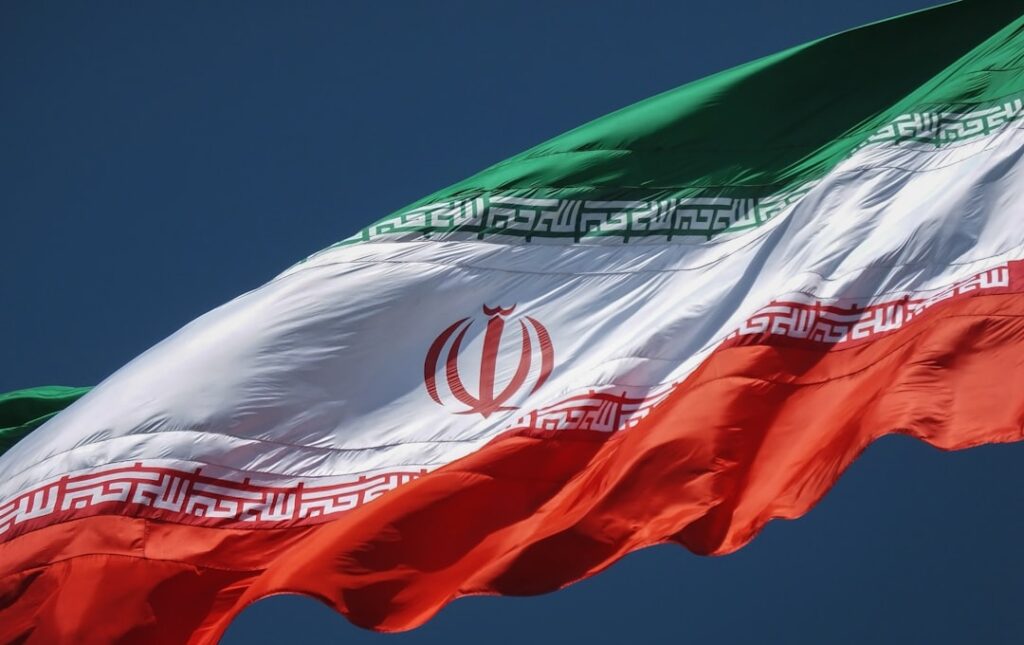
Image: GlobalBeat / 2026
Iran Hormuz crisis: Trump suspends naval operation as Tehran talks begin
Muhammad Asghar | GlobalBeat
President Donald Trump said Monday the United States paused its military build-up near the Strait of Hormuz after Iran agreed to direct negotiations.
The suspension marks the first break in a 19-day standoff that saw Washington deploy two carrier groups and 5,000 Marines to the waterway. Trump spoke to reporters aboard Air Force One en route to Florida, confirming talks will start in Oman later this week.
The crisis began April 17 when Iran seized the Marshall Islands-flagged tanker Stena Scotia and detained its 23 Indian crew. Washington responded with sanctions on Iran’s oil exports and moved warships within 12 nautical miles of Iranian territorial waters.
Trump said Tehran requested negotiations through Swiss intermediaries on Saturday. “They reached out. We answered,” the president told reporters. “The ships stay where they are, but no escalation while we talk.”
Iran’s foreign ministry confirmed the pause in a brief English-language statement. “Mutual steps to reduce tensions have been agreed,” spokesman Esmaeil Baghaei wrote on X. “Diplomatic channels remain open.”
Oman’s foreign ministry announced the talks will convene Thursday at Muscat’s Al Bustan Palace. Swiss diplomats will mediate, carrying messages between the delegations. Neither side committed to releasing the tanker crew in advance.
US crude futures dropped 4.2 percent to $69.40 per barrel on news of the pause. Insurance rates for Gulf tankers fell 18 percent, according to London’s Baltic Exchange. The strait carries 21 percent of global oil supplies.
Background
The Strait of Hormuz has been a flashpoint since 2019, when Iran downed a US surveillance drone and seized multiple foreign tankers. The 39-kilometer-wide channel separates Iran from Oman, giving Tehran leverage over energy trade routes. Previous administrations relied on naval patrols to keep shipping lanes open, but direct tanker seizures have escalated since April.
Oil market volatility has shaped US-Iran relations for decades. The 1980s Tanker War saw 400 commercial vessels damaged during the Iran-Iraq conflict. Washington reflagged Kuwaiti ships and escorted them through the strait, establishing the naval patterns still used today. Modern insurance markets now price Gulf voyages at triple normal rates whenever tensions rise.
What’s Next
The Muscat talks face immediate tests. Iran wants sanctions relief on its 1.5 million barrels per day of oil exports, while Washington demands tanker releases and guarantees against future seizures. European diplomats expect the first session to focus solely on the Stena Scotia crew, leaving broader negotiations for later rounds. Failure could see thecarrier groups resume patrols within 72 hours, according to Pentagon officials.
Senior Correspondent, World & Geopolitics
Muhammad Asghar covers international affairs, conflict zones, and US foreign policy for GlobalBeat. He has reported on events across the Middle East, South Asia, and Eastern Europe, with a focus on the intersection of diplomacy and armed conflict. He has been writing wire-service journalism for over a decade.