The US in Brief: Another blow to Trump’s tariffs
U.S. trade panel voids key Trump steel-tariff authority, latest legal setback for protectionist levies.
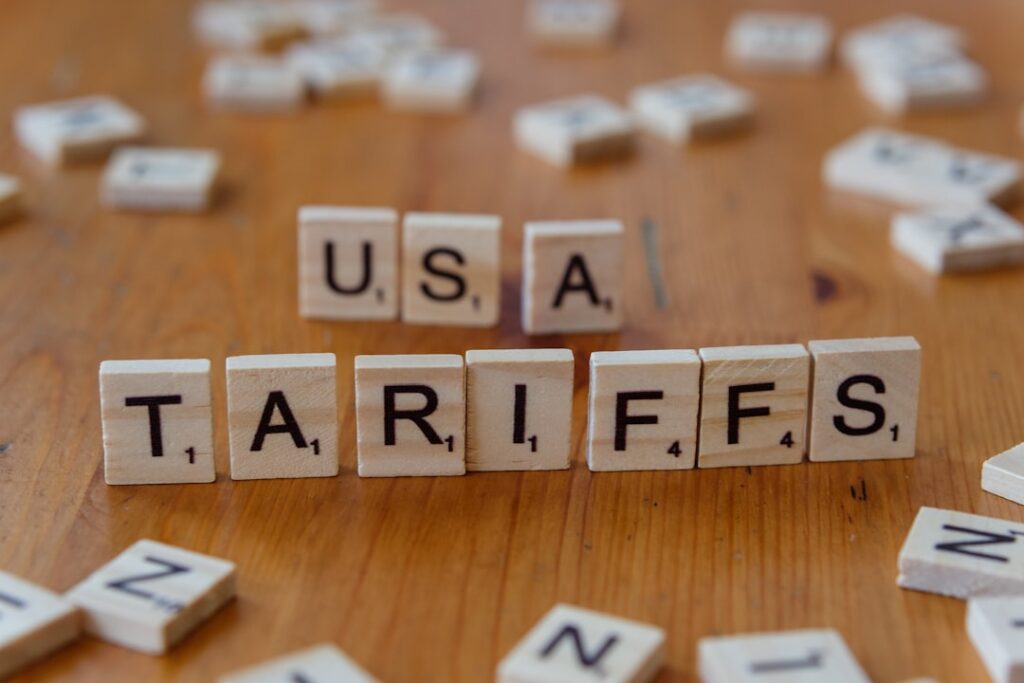
Image: GlobalBeat / 2026
Trump tariffs news: Federal judge blocks auto import tax hike, slaps restraining order on Commerce Department
Muhammad Asghar | GlobalBeat
A federal judge in Michigan halted President Donald Trump’s 25 percent tariff on imported cars and trucks hours before it was set to take effect at midnight Sunday.
The 29-page injunction, issued by Judge Laurie Michelson in Detroit, freezes the levy nationwide and orders the Commerce Department to stop collecting the duty while legal challenges move forward.
The ruling guts the centrepiece of Trump’s latest trade offensive and marks the second time in six weeks that a court has derailed White House tariff plans. Auto imports worth roughly $208 billion a year now enter the country under the old 2.5 percent rate.
Commerce Secretary Howard Lutnick told reporters the department will “vigorously defend” what he called a national-security measure. He gave no timetable for an appeal.
Nissan, Toyota, Hyundai, BMW and Mercedes-Benz all cheered the order. Shares in the 5 foreign automakers surged between 4 percent and 8 percent on the New York Stock Exchange within minutes of the decision.
“This keeps showrooms stocked and prices stable for American families,” Nissan North America chair Jérémie Papin said in a statement.
Trump signed the tariff proclamation on 2 May, invoking Section 232 of the 1962 Trade Act. The statute lets presidents tax imports that “threaten to impair national security.” Past administrations used it sparingly, mostly for steel and aluminum.
The White House argued that dependence on foreign-made vehicles endangered supply chains critical to military transport. Critics called the claim a stretch when domestic plants operated below capacity.
Judge Michelson said the administration failed to show “any concrete evidence” that passenger sedans or SUVs serve a defense purpose. She wrote that the proclamation appeared to exceed statutory authority and likely violated the Administrative Procedure Act.
“Plaintiffs have demonstrated a strong likelihood of success,” the judge wrote, referring to a coalition of 12 car companies and the National Automobile Dealers Association.
The Commerce Department released no new data beyond a 19-page memo dated 28 April. That memo cited 1970s-era studies and said modern analysis was “ongoing.” Michelson called the record “noticeably thin.”
White House press secretary Karoline Leavitt accused the court of “second-guessing the commander-in-chief on matters of national security.” She said an emergency appeal to the Sixth Circuit Court of Appeals would be filed “within days.”
Legal scholars predicted a bruising fight. “Courts usually defer on Section 232, but they still want a rational explanation,” said Georgetown trade professor Jennifer Hillman. “This opinion shows the bench is losing patience with post-hoc justifications.”
Auto dealers warned the tariff would have added roughly $6,000 to the sticker price of an average import and $2,500 to domestically assembled models that use foreign parts. The industry moved 7.6 million imported vehicles last year, representing 48 percent of all cars sold in the United States.
“We were looking at layoffs, lot shortages, angry customers,” said Michigan dealer Tammy Darvish, who employs 1,400 people across 35 franchises. “The judge bought us breathing room.”
Trump campaigned in 2024 on a pledge to “bring car production home.” Since returning to office he has imposed or threatened tariffs on Mexico, Canada, China and the European Union. Only the China duties, rolled out in March, remain fully in force after a judge in California blocked a proposed 10 percent blanket levy on all non-US goods last month.
Background
Section 232 of the Trade Expansion Act gives presidents power to restrict imports for security reasons without congressional approval. George W. Bush used it once, on steel in 2002. Trump used it three times in his first term, twice on steel and aluminum and once on Turkish metals. Courts upheld each action, citing detailed Defense Department findings.
This round differs because the White House skipped the customary 30-day public-comment period. The April memo argued “delay would invite surges” of vehicles. Plaintiffs seized on the shortcut, arguing the administration short-circuited procedural safeguards.
What’s Next
The Justice Department must file its opening brief at the Sixth Circuit by 26 May. The dealers and automakers have until 9 June to respond. Oral arguments are expected in late July. A ruling could land weeks before the mid-term elections, thrusting trade policy back onto the campaign trail.
A loss for Trump would undercut negotiations he opened with Brussels and Tokyo on voluntary export caps. European Commission sources told reporters the EU would “pause” talks until the appeal plays out.
Lutnick still has one lever left: he could launch a fresh investigation with fuller data and restart the tariff clock. Doing so would push any duty past the November vote, a risk the president’s political advisers are weighing.
“Nobody wants car prices spiking in October,” a senior GOP strategist said on condition of anonymity. “But backing down looks weak. It’s a bind.”
Senior Correspondent, World & Geopolitics
Muhammad Asghar covers international affairs, conflict zones, and US foreign policy for GlobalBeat. He has reported on events across the Middle East, South Asia, and Eastern Europe, with a focus on the intersection of diplomacy and armed conflict. He has been writing wire-service journalism for over a decade.