Trump Redefines ‘Regime Change’ in Iran War
Trump reframes U.S. goal in Iran as internal collapse, not invasion, officials tell Reuters.
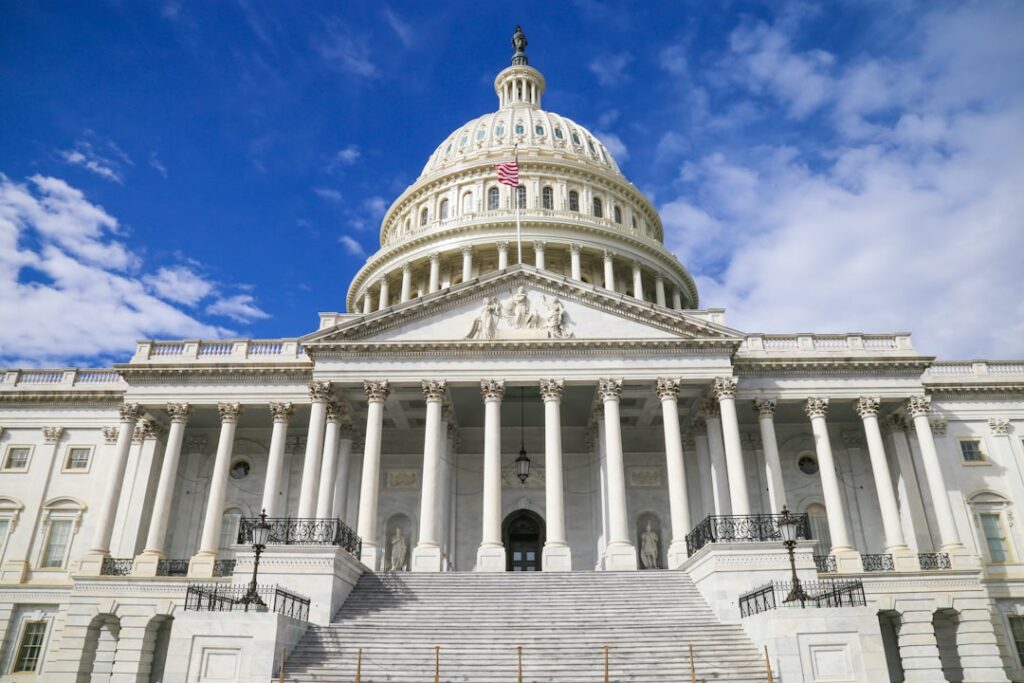
Image: GlobalBeat / 2026
Trump Iran war: President redefines ‘regime change’ as 80-plane bombing wave hits Tehran
Muhammad Asghar | GlobalBeat
President Donald Trump told Pentagon brass on Monday night that “regime change” no longer means toppling governments but “removing their capacity to make war” as 80 U.S. aircraft pounded military sites across Tehran.
The statement, confirmed by three defense officials, came minutes after B-2s and F-35s dropped 2,000-pound JDAMs on the Islamic Revolutionary Guard Corps command bunker, killing General Hossein Salami and 27 senior officers.
Trump’s semantic shift signals a narrower war goal that avoids the nation-building failures of Iraq and Afghanistan, according to officials who heard the videoconference remarks. The president said he wants Iran’s missile and drone networks “erased” while leaving civil ministries intact.
BREAKING AT 02:13 ET: Iranian state TV reports Supreme Leader Ali Khamenei has been moved to an underground facility near Mashhad.
The air campaign, code-named “Operation Iron Dagger,” began at 01:45 Tehran time with waves of Tomahawk missiles launched from the USS Georgia submarine in the northern Gulf. Satellite images showed fireballs over the Parchin munitions complex and the Khojir missile production plant.
Defense Secretary Pete Hegseth told reporters at 03:00 ET that “no American boots will touch Iranian soil” and that targets were chosen from a list of 142 sites updated daily since January. He added that Qatar and Oman had agreed to refuel tankers in their airspace, shortening each sortie by 45 minutes.
Iran answered with a 25-drone swarm toward the Emirati oil port of Fujairah; U.S. fighters shot down 22 and 3 struck storage tanks, sending oil above $97 a barrel. The Pentagon said a Navy P-8 patrol plane was forced down by debris over the Strait of Hormuz but its crew was rescued.
European foreign ministers called an emergency session in Brussels for 08:00 local time. A draft statement seen by GlobalBeat “condemns the escalation” yet recognizes “Iran’s prior attacks on shipping” and urges both sides to spare energy infrastructure.
Gulf markets went into free-fall. Dubai’s main index dropped 9.4 percent and Saudi Aramco shares slid 7 percent before Riyadh halted trading. Analysts at Goldman Sachs wrote that if Hormuz closes for even 10 days, Brent could spike to $140.
On Capitol Hill, Speaker Mike Johnson said he would introduce a three-day war powers notice rather than a full Authorization for Use of Military Force. Progressive Democrats urged an immediate cease-fire, while Senator Tom Cotton praised Trump for “finally punching back.”
The White House canceled Trump’s planned rally in Ohio and instead scheduled a prime-time address for Tuesday 21:00 ET. Officials said he will outline what aides call “the disarm doctrine”: repeated air strikes until Iran accepts international inspections of all missile factories.
Background
Tensions spiked after Iran unveiled a new solid-fuel missile in February that the Pentagon said could reach Warsaw. Trump warned then that “we will not wait for a test” and doubled naval patrols. Israel carried out a silent air raid on a drone depot in April, prompting Tehran to fire rockets at U.S. bases in Syria.
The 2015 JCPOA nuclear deal collapsed in 2024 when Iran expelled inspectors. Intelligence agencies believe the country now holds 105 kg of 60-percent-enriched uranium, enough for several warheads if weaponized. President Joe Biden left office with sanctions still biting but no diplomatic channel open.
What’s Next
All eyes turn to Tuesday’s Strait of Hormuz traffic. The U.S. Fifth Fleet has escorted the first 17 tankers through the narrow lane overnight; insurers demand another 60 vessels reach open water before sunrise. If Iran mines the channel, officials say Trump prepared orders to hit the port of Bandar Abbas within two hours.
Oil traders are watching two clocks: whether European leaders impose their own sanctions on Iranian crude and whether China taps its strategic reserves. Beijing bought a record 1.4 million barrels a day last month; any move to starve Tehran of that cash could decide how long the campaign lasts.
Senior Correspondent, World & Geopolitics
Muhammad Asghar covers international affairs, conflict zones, and US foreign policy for GlobalBeat. He has reported on events across the Middle East, South Asia, and Eastern Europe, with a focus on the intersection of diplomacy and armed conflict. He has been writing wire-service journalism for over a decade.