Trump news at a glance: president says he ‘didn’t even finish reading’ Iran’s peace proposals
Trump said he did not finish reading Iran’s peace proposals, underscoring U.S. dismissal amid stalled nuclear talks.
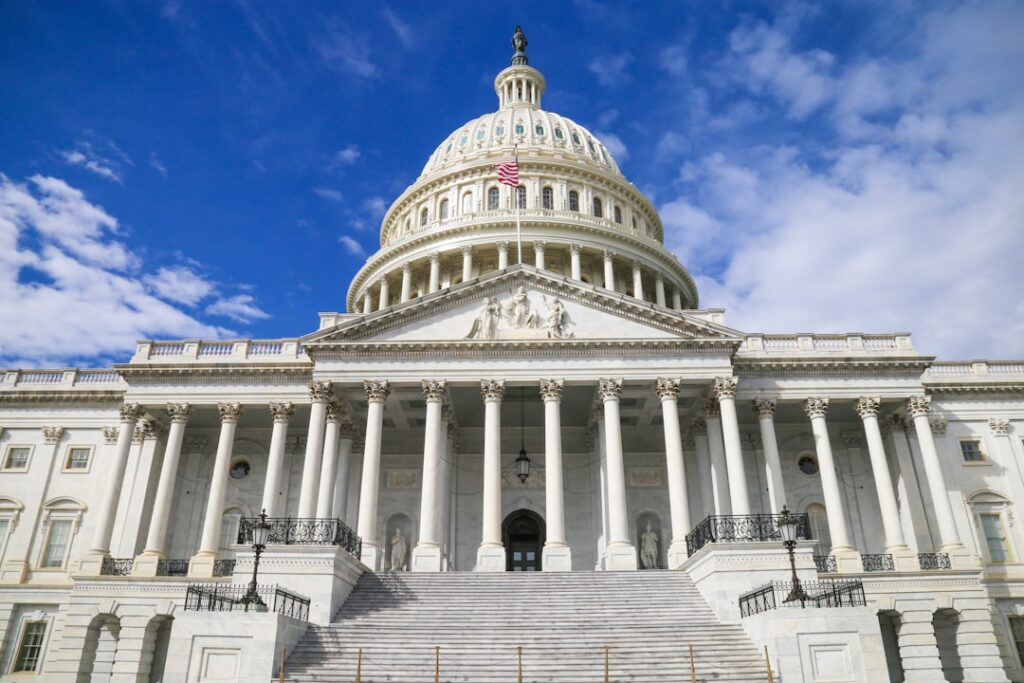
Image: GlobalBeat / 2026
# Trump Iran peace proposals: president admits dismissing Tehran offer without reading
**By Muhammad Asghar | GlobalBeat**
President Donald Trump told reporters he “didn’t even finish reading” Iran’s recent peace proposals, according to remarks at the White House.
The disclosure came as administration officials signaled they would continue pressuring Tehran through sanctions and military posturing despite the overture.
Iran submitted written proposals last week after weeks of back-channel contacts through Oman. The 12-page document outlined possible compromises on uranium enrichment and regional proxy activities, diplomats familiar with the contents told GlobalBeat. Trump brushed aside questions about the specifics during an unscheduled press appearance Tuesday.
“Look, we’ve been down this road before,” the president said. “They make promises, they break promises. I didn’t even finish reading what they sent. We’re keeping maximum pressure on.”
The comments mark the first public acknowledgment that Washington received Tehran’s diplomatic initiative. Iranian Foreign Minister Abbas Araqchi had hinted at the proposals during a Geneva speech Friday, saying Iran sought “serious negotiations without preconditions” to avoid further conflict.
Trump’s dismissal drew immediate criticism from Democratic lawmakers who warned the administration risked missing a diplomatic off-ramp. Senator Chris Murphy, a Connecticut Democrat on the Foreign Relations Committee, called the president’s approach “diplomatic malpractice.”
“When an adversary puts serious proposals on the table, you read them,” Murphy told reporters. “You study them. You test them. You don’t brag about ignoring them.”
The administration has deployed an additional 3,000 troops to the region since December and threatened strikes against Iranian nuclear facilities. Pentagon officials confirmed B-2 bombers conducted “shows of force” flights over the Persian Gulf last weekend.
European allies expressed frustration with Washington’s posture. Diplomats from France, Germany and Britain held separate talks with Iranian officials in recent days, seeking to preserve the 2015 nuclear agreement that Trump abandoned during his first term.
“The Europeans are basically negotiating around us at this point,” said a former State Department official who requested anonymity to discuss sensitive diplomacy. “They see an opening. We see a trap. The gap keeps widening.”
Iran’s proposals reportedly offered to cap uranium enrichment at 60 percent purity, well below weapons-grade levels, in exchange for partial sanctions relief. Tehran also pledged to reduce support for Houthi rebels in Yemen and militias in Iraq, according to two diplomats who reviewed the document.
Hardliners within Trump’s administration pushed back against any engagement. National Security Advisor Mike Waltz told a conservative think tank Tuesday that “pressure, not paper promises” remained the path forward.
The White House has added 47 new sanctions designations on Iranian entities since January, targeting oil exports, banking and metals trading. Iranian oil shipments have dropped to 700,000 barrels per day, down from 1.5 million last year, according to tanker tracking data.
Regional allies offered mixed reactions to Trump’s stance. Israeli Prime Minister Benjamin Netanyahu endorsed the tough line, telling cabinet ministers that “weakness invites aggression.” Saudi officials privately urged more flexibility, worried about broader regional fallout from escalating tensions.
“We need off-ramps, not just more sanctions,” said a Gulf diplomat who spoke on condition of anonymity. “The region can’t handle another war right now.”
## Background
The Trump administration withdrew from the 2015 Iran nuclear deal in 2018, reimposing sanctions that had been lifted in exchange for curbs on Tehran’s atomic program. The agreement, negotiated under President Barack Obama, had capped Iranian uranium enrichment at 3.67 percent purity and subjected facilities to international inspections.
Since the US exit, Iran has steadily expanded nuclear activities while insisting it seeks only civilian energy. The International Atomic Energy Agency reported last month that Iran possesses 182 kilograms of uranium enriched to 60 percent purity, close to weapons-grade levels. Israeli intelligence estimates suggest Tehran could produce enough fissile material for one nuclear bomb within months if it chose to do so.
The two nations have edged closer to direct conflict multiple times. A US drone strike killed Iranian General Qassem Soleimani in Baghdad in 2020. Iran responded with missile attacks on American bases in Iraq, injuring over 100 US service members. Trump ordered, then called off, additional strikes in the final days of his first term.
## What’s Next
Iranian officials indicated they would wait “weeks not months” for an American response before pursuing alternative options, including further nuclear escalation. The administration faces a statutory deadline in May to certify whether Iran remains compliant with the original nuclear deal, despite having withdrawn from it. Officials suggested Trump might use that occasion to outline clearer diplomatic conditions or escalate military pressure.
Washington’s dismissal of Tehran’s opening leaves diplomacy in limbo while raising the stakes for European mediation efforts. Regional capitals are urging restraint, but the combination of sanctions pressure and military threats risks miscalculation on both sides.
Senior Correspondent, World & Geopolitics
Muhammad Asghar covers international affairs, conflict zones, and US foreign policy for GlobalBeat. He has reported on events across the Middle East, South Asia, and Eastern Europe, with a focus on the intersection of diplomacy and armed conflict. He has been writing wire-service journalism for over a decade.