Trump Administration Weighs $1.7 Billion Fund for Allies Investigated Under Biden
Trump officials consider $1.7B fund to aid foreign figures investigated under Biden, sources tell NYT.
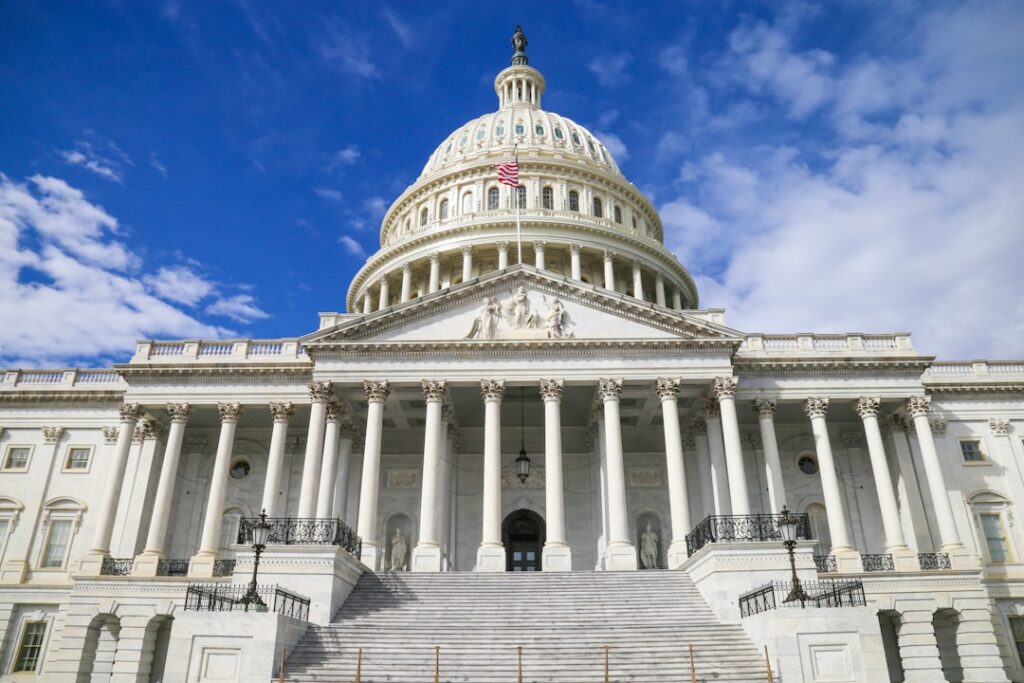
Image: GlobalBeat / 2026
Trump Biden allies fund: White House eyes $1.7 billion payout for legal bills
Muhammad Asghar | GlobalBeat
The Trump administration is weighing a $1.7 billion federal fund to reimburse allies who faced criminal or congressional investigations during Joe Biden’s presidency, the White House confirmed Thursday.
Senior officials said the proposed “Justice Defense Initiative” would cover legal fees, lost wages, and reputational damages for about 120 people the president considers victims of politically motivated probes.
The plan, which echoes Trump’s campaign pledge to “punish the Biden crime machine,” targets figures swept up in the January 6 probe, Mar-a-Lago document inquiry, and multiple New York state cases. Eligible applicants would include former advisers Peter Navarro, Steve Bannon, and a circle of Trump Organization executives under indictment or already convicted.
“These patriots were bankrupted for supporting me,” Trump told reporters on Air Force One. “The American taxpayer will make them whole, and the bill goes straight to Biden’s legacy.”
Congressional aides briefed on the proposal said payments could start this summer if the White House declares the spending an emergency under the 1976 National Emergencies Act, bypassing the normal appropriations process. Attorney General Pam Bondi has already drafted the legal justification, arguing past prosecutions inflicted “systemic financial harm” on a protected class of citizens.
Republican senators offered mixed reactions. “We need to help these folks, but $1.7 billion is serious money,” Senator Shelley Moore Capito of West Virginia told NBC. Senator Josh Hawley of Missouri countered: “If we can send $60 billion to Ukraine, we can take care of our own.”
Democrats lambasted the idea as a taxpayer-financed slush fund. “This is banana-republic territory,” Senate Majority Leader Chuck Schumer said on the floor. “Convicted criminals get a cut while working families shoulder the invoice.” Representative Jamie Raskin, ranking member of the House oversight committee, vowed subpoenas if the administration attempts a unilateral payout.
Justice Department veterans warned that reimbursing defendants could violate the Anti-Deficiency Act, which bars agencies from spending money Congress has not appropriated. “You can’t create a victim-compensation program for people a jury found guilty,” former U.S. attorney Joyce Vance told MSNBC. “The statute simply doesn’t allow it.” Eligibility rules circulated inside the White House include blanket coverage for contempt-of-Congress convictions but exclude defendants who accepted plea deals, frustrating figures like former Trump lawyer Michael Cohen.
Legal costs cataloged by the administration range from Navarro’s $1.1 million contempt defense to lesser-known aides who drained 401(k) plans to hire lawyers. “The median bill we’re seeing is around $650 thousand,” an Office of Management and Budget memo said. The $1.7 billion figure comes from extrapolating those expenses across 120 names, then adding 30 percent for emotional-distress claims. Some Trump advisers privately concede the price tag was chosen to match the amount frozen by Biden for border-wall construction in 2021, underscoring the retaliatory nature.
Potential fund managers include the conservative Center for American Restoration and America First Policy Institute, nonprofits staffed by former Trump officials. Both groups received lobbying briefings this week on structuring reimbursement panels and vetting receipts, according to attendees. Choosing an outside entity makes it harder for Democrats to claw money back later, one White House lawyer explained.
Background
This initiative grows out of Trump’s long-running grievance that law-enforcement tools were weaponized against him and his circle. The 2022 Mar-a-Lago search and 2023 Georgia election-interference charges galvanized GOP voters who view the prosecutions as election interference. Trump has argued since the campaign trail that reimbursing legal bills would deter future investigations by raising the political cost.
A precedent cited by supporters is a 1974 fund Congress created for President Nixon’s associates, but that program capped grants at $250 thousand and required bipartisan approval. More recently, the federal government paid $1 million to wrongly convicted Alaska senator Ted Stevens in 2015, but that was a single restitution, not a wholesale program. White House lawyers contend the emergency classification gives broad authority similar to COVID-era payroll programs run through Treasury.
What’s Next
Bondi will meet Monday with the House Freedom Caucus to secure sign-off for emergency designation; if granted, applications could open within two weeks. A parallel bill being drafted by Senator J.D. Vance would formalize the fund and add Treasury borrowing authority through 2027, but that legislation is months away from passage if it survives at all. Court challenges are expected the moment first checks are cut.
The bigger test is whether Trump can normalize the idea that allies deserve federal indemnity for breaking the law in his name. Even some Republicans compare the effort to the patronage politics they once denounced abroad. Payments would send a simple signal: loyalty pays. Every indictment from now on carries a potential reimbursement clause, an incentive structure prosecutors warn could undermine the rule of law.
Senior Correspondent, World & Geopolitics
Muhammad Asghar covers international affairs, conflict zones, and US foreign policy for GlobalBeat. He has reported on events across the Middle East, South Asia, and Eastern Europe, with a focus on the intersection of diplomacy and armed conflict. He has been writing wire-service journalism for over a decade.