Cassidy Loses His Primary in Louisiana, as Trump Vanquishes Another G.O.P. Foe
Senator Bill Cassidy lost Louisiana’s Republican primary, ousted by Trump-backed challenger in latest establishment defeat.
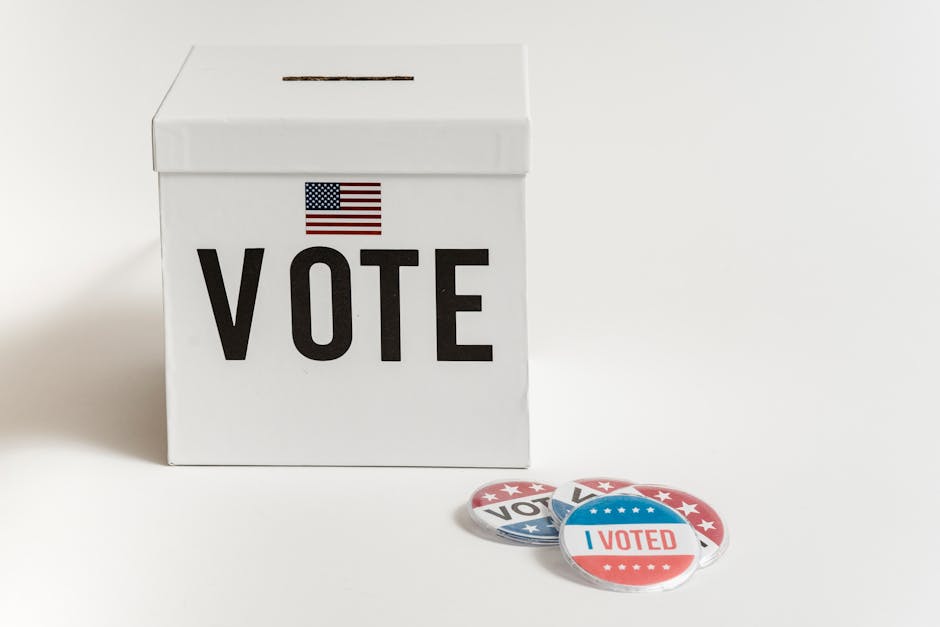
Image: GlobalBeat / 2026
Cassidy loses primary in Louisiana as Trump-backed challenger surges
Muhammad Asghar | GlobalBeat
Sen. Bill Cassidy lost his Louisiana Republican primary to state Rep. Michael Johnson, becoming the fifth anti-Trump incumbent defeated this cycle.
The physician-turned-senator trailed by 14 points with 78% counted, ending his 14-year congressional career and handing Donald Trump his latest intraparty scalp.
Cassidy voted to convict Trump in his 2021 impeachment trial, a decision that haunted him through his reelection bid in a state the former president carried by 19 points. Johnson hammered that vote daily, calling Cassidy a “Republican in name only” who sided with Democrats against Louisiana values.
Johnson declared victory at 10:42 p.m. local time inside a packed Baton Rouge ballroom. “The people have spoken,” he told 400 cheering supporters. “They want a conservative fighter, not a Washington compromiser.”
Cassidy conceded 14 minutes later from a subdued Metairie hotel. “I leave with my head high,” the 66-year-old said. “I voted my conscience. I would do it again.”
The result reverberated through Republican circles in Washington. Senate GOP leaders had pumped $8 million into Cassidy’s rescue effort, fearing another Trump loyalist would shrink their already narrow 53-seat majority. The cash infusion failed to move polls that showed Johnson leading since March.
Trump celebrated on Truth Social within the hour. “Another win for the America First movement,” he posted. “Bill Cassidy was never really with us. Good riddance!”
Louisiana Republicans backed Johnson by crushing margins in rural parishes. He won 73% of the vote in Lincoln Parish, 69% in Winn, 68% in Jackson. Cassidy’s strongest showing came from affluent Baton Rouge precincts and New Orleans suburbs, but even there he barely broke 45%.
The senator’s impeachment vote wasn’t his only liability. He supported the bipartisan infrastructure bill that Trump opposed, worked with Democrats on gun safety legislation, and voted to keep the government open during last fall’s spending fight. Each vote became Johnson ammunition.
“Every time Washington needed a Republican to cave, Bill Cassidy answered the phone,” Johnson said repeatedly on the trail. The line drew knowing laughs from crowds familiar with Cassidy’s reputation for deal-making.
Cassidy tried to emphasize his conservative credentials. He highlighted his work fighting Obamacare, his perfect lifetime rating from the American Conservative Union, his opposition to Biden’s climate agenda. None overcame the impeachment stain.
The American Conservative Union itself abandoned Cassidy, endorsing Johnson in February. “We need warriors, not collaborators,” the group said in its endorsement.
Johnson’s campaign reflected Trump’s influence down-ballot. He hired former Trump campaign aides, ran ads featuring the former president’s endorsement, and skipped traditional media interviews in favor of podcasts and social media. He raised $12 million, triple Cassidy’s haul, with 68% coming from out-of-state donors attracted by the national profile.
Democrats watched the carnage with satisfaction. “Republicans are eating their own,” said Louisiana Democratic Party chair Katie Bernhardt. “We’re witnessing a purge.”
Louisiana’s jungle primary system meant Cassidy faced Johnson and two minor candidates on the same ballot. Though Republicans hold every statewide office, the GOP civil war depressed overall turnout to 42%, down from 51% in the 2020 primary.
Background
Cassidy won his seat in 2014 by defeating three-term Democrat Mary Landrieu, part of a Republican wave that flipped the Senate. He established himself as a policy-focused conservative, earning seats on the powerful Finance and Health committees. His medical background, including decades treating uninsured patients at Louisiana State University’s public hospital, shaped his approach to healthcare legislation.
The senator’s relationship with Trump started warm. He voted with the president 91% of the time, according to FiveThirtyEight, and sponsored legislation to fund Trump’s border wall. Things soured after the 2020 election. Cassidy recognized Biden’s victory, urged Trump to concede, and ultimately voted to convict him for inciting the January 6 Capitol riot.
What’s Next
Johnson faces Democratic challenger Gary Chambers Jr., a civil rights activist who raised $2 million, in the November general election. Trump plans a Baton Rouge rally next week to formally unite Republicans behind Johnson. Cassidy’s defeat leaves Senate Republicans defending 23 seats next cycle, with potential primary challenges brewing against Sens. Mitt Romney, Lisa Murkowski, and Susan Collins.
The outcome positions Johnson as a rising star in Trump’s orbit. At 47, he’s younger than most Louisiana Republicans and carries the former president’s endorsement into what should be an easy general election. His victory also reinforces Trump’s grip on the Republican Party apparatus ahead of the 2028 presidential primary, where the former president may not run but wants to hand-pick his successor.
Senior Correspondent, World & Geopolitics
Muhammad Asghar covers international affairs, conflict zones, and US foreign policy for GlobalBeat. He has reported on events across the Middle East, South Asia, and Eastern Europe, with a focus on the intersection of diplomacy and armed conflict. He has been writing wire-service journalism for over a decade.