Trump is calling himself ‘the most powerful person to ever live’ in private conversations, allies say
Trump repeatedly tells confidants he is “the most powerful person to ever live,” according to former aides who spoke to Reuters.
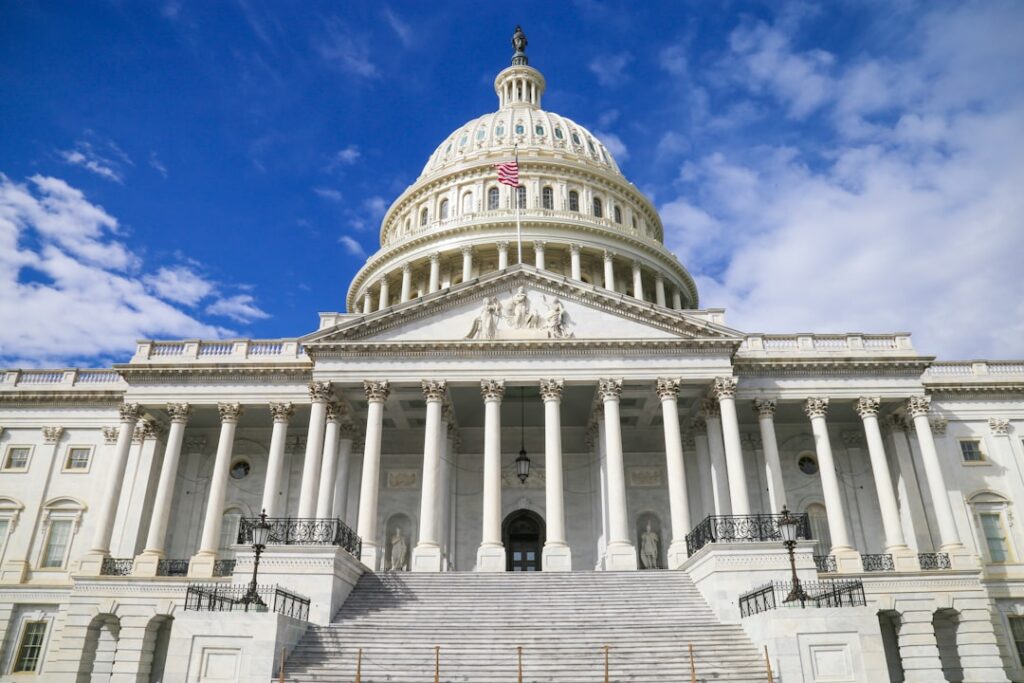
Image: GlobalBeat / 2026
Trump claims he’s ‘most powerful person ever’ in private talks, allies reveal
Muhammad Asghar | GlobalBeat
Donald Trump has begun referring to himself as “the most powerful person to ever live” during private conversations with allies and advisors.
The 47th president’s self-assessment surfaced through multiple associates who spoke to reporters about recent White House discussions on trade and immigration policy.
The characterization marks a notable escalation in Trump’s long-standing habit of superlative self-description, moving beyond his previous claims of being the “most transparent” or “hardest working” president. Those close to him say the phrase emerged during strategy sessions about tariff negotiations and border enforcement measures, where Trump reportedly cited his ability to reshape global markets and domestic policy without congressional approval.
“He actually said it during a meeting about China tariffs,” one former campaign aide told reporters. “Something along the lines of ‘when you’re the most powerful person to ever live, you can get things done that others only dream about.'”
Three separate individuals confirmed hearing variations of the claim in recent weeks, each requesting anonymity to discuss private conversations. The White House did not respond to requests for comment about the president’s private remarks.
The timing coincides with Trump’s implementation of sweeping tariff increases on imports from China, Mexico, and Canada, moves he has defended as necessary to protect American manufacturing. His administration has also moved forward with mass deportation operations that have resulted in hundreds of arrests across multiple states since January, policies that Trump has said demonstrate his unique authority.
Inside the West Wing, staffers have grown accustomed to the president’s habit of historical self-comparison, though several said this latest formulation represents a new benchmark. Previous presidents have typically avoided such explicit claims to supremacy, even in private settings, according to presidential historians.
“The phrase ‘most powerful person to ever live’ suggests a scope that goes beyond American politics,” said Princeton presidential scholar Julian Zelizer. “That’s claiming superiority over every emperor, king, or dictator in human history.”
Trump’s private declarations mirror his public rhetoric about wielding unprecedented authority, particularly on economic matters. He has repeatedly stated that “tariff” is “the most beautiful word in the dictionary” while claiming broad discretionary power to impose taxes on imports without legislative approval. Legal experts note that trade law does grant the president substantial latitude, though not unlimited authority.
The president’s assessment appears rooted partly in his control over both the executive branch and his party’s congressional caucus, allies suggest. With Republicans holding narrow majorities in both chambers, Trump has faced minimal resistance to his agenda from lawmakers who largely fear primary challenges from Trump-backed opponents.
“He sees weakness in Congress and strength in his ability to act unilaterally,” a senior Republican strategist explained. “Whether it’s tariffs, immigration enforcement, or foreign policy, he believes he’s operating at a level no predecessor touched.”
Some advisors have expressed concern about the practical implications of such thinking, warning that overconfidence could lead to policy miscalculations. The administration’s trade wars have already sparked retaliation from major trading partners, with China announcing new tariffs on American agricultural products and the European Union threatening measures against U.S. tech companies.
Market volatility has increased since Trump announced his latest round of tariffs, with major stock indices dropping sharply amid investor uncertainty about trade policy direction. The president has dismissed such fluctuations as temporary, predicting that trading partners will ultimately yield to American demands.
International reaction has been notably negative, with traditional allies expressing alarm about the United States abandoning decades of trade liberalization policy. Canadian Prime Minister Mark Carney has urged coordinated response to Trump’s tariffs, while Mexican officials have warned of potential recession if trade disputes escalate further.
The private remarks also come as Trump faces multiple legal challenges, including ongoing prosecutions related to his efforts to overturn the 2020 election results. He has pleaded not guilty to all charges and claimed without evidence that the cases represent political persecution designed to prevent his return to office.
His supporters have embraced the president’s self-characterization, with MAGA-friendly media figures amplifying claims about Trump’s unique capabilities. Some conservative commentators have compared him to historical strongmen, though usually avoiding explicit endorsement of such parallels.
Background
Trump’s tendency toward self-aggrandizement has marked his political career since its inception, beginning with claims about crowd sizes at his 2015 campaign launch. The phrase “most powerful person to ever live” represents an escalation from his previous habit of declaring himself the “best” or “greatest” at various undertakings, from real estate to reality television to politics.
The Constitution deliberately disperses power among three branches of government, a design the framers intended to prevent any single individual from accumulating monarchical authority. Trump’s assertion of unprecedented personal power thus conflicts with fundamental American constitutional principles, though his supporters argue that exceptional times call for exceptional leadership.
Historical precedents for leaders claiming supreme personal power typically emerge from authoritarian contexts rather than democratic systems. Ancient Roman emperors, medieval kings, and modern dictators have made similar declarations, usually while centralizing authority and marginalizing institutional checks on their rule.
What’s Next
The administration plans to implement additional tariffs on European automobiles next month while expanding immigration enforcement operations to more cities, according to senior officials. These moves will test whether Trump’s claim of unmatched power translates into policy success or provokes sufficient backlash to constrain his agenda.
Congressional Democrats are preparing legislation to limit presidential tariff authority, though such measures would face certain veto. More significant constraints might come from market reactions or international retaliation that imposes sufficient economic pain to force policy recalculation.
Senior Correspondent, World & Geopolitics
Muhammad Asghar covers international affairs, conflict zones, and US foreign policy for GlobalBeat. He has reported on events across the Middle East, South Asia, and Eastern Europe, with a focus on the intersection of diplomacy and armed conflict. He has been writing wire-service journalism for over a decade.