Trump’s Approval Sinks Amid Unpopular War, Darkening G.O.P. Prospects
Trump’s approval hits new low as unpopular war erodes support, clouding GOP’s 2026 midterm prospects.
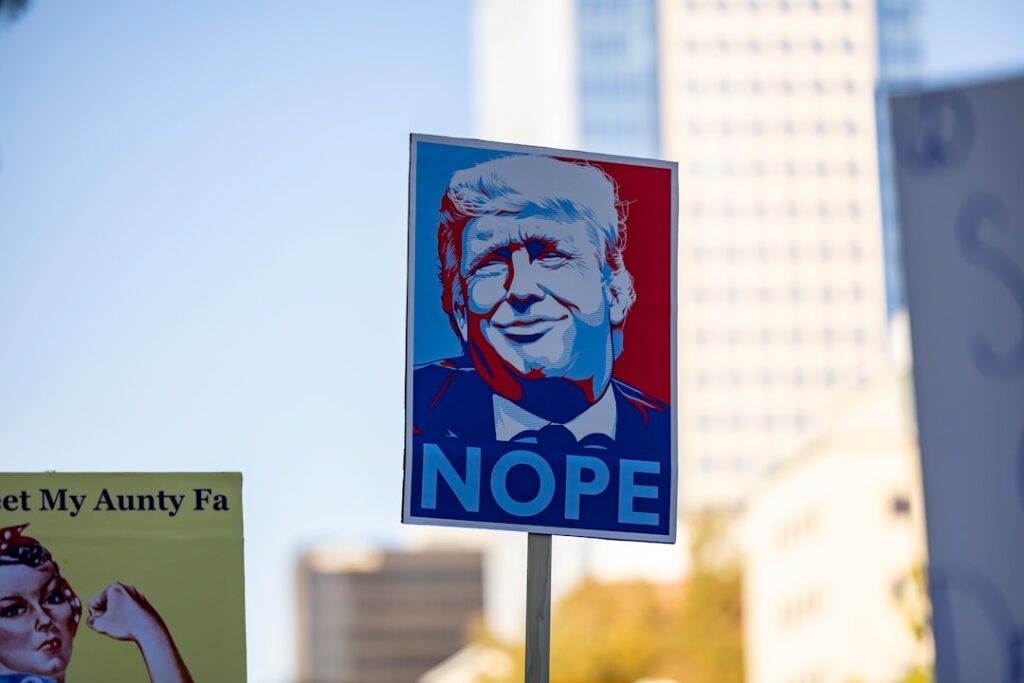
Image: GlobalBeat / 2026
Trump approval rating plunges to 34% as Iran war backlash hits Republicans hard
Muhammad Asghar | GlobalBeat
President Trump’s approval rating has crashed to 34% as public opposition to the Iran war intensifies and Republican lawmakers face mounting voter anger ahead of November’s elections.
The new Washington Post-ABC News poll released Monday shows Trump’s lowest approval since taking office, with just 29% of Americans supporting his decision for military action against Iran.
Republican strategists fear the numbers signal potential disaster for GOP House and Senate candidates in battleground states, where anti-war sentiment has ignited fierce town hall protests and primary challenges from isolationist conservatives. The president’s Republican supporters in Congress find themselves trapped between defending their party leader and responding to constituents furious about rising gasoline prices and renewed worries over the draft.
The poll surveyed 1,008 adults nationwide from April 28 through May 1, with a margin of error of 3.5 percentage points. Trump’s disapproval rating hit 62%, driven largely by independent voters who supported him in 2024 but now oppose the Iran military campaign by 2-to-1 margins according to the survey results.
Several Senate Republicans facing re-election in November issued carefully worded statements Monday that avoided direct criticism of Trump while calling for “clarity” on war objectives. Senator Joni Ernst of Iowa told reporters that Congress needs “a full briefing immediately,” while Senator Ted Cruz of Texas said lawmakers “must assert our constitutional role” in military decisions.
The political fallout extended to state-level races. In Ohio, Republican Senate nominee Bernie Moreno canceled two campaign events after internal polling showed his endorsement of Trump’s Iran policy dragging down his numbers against Democratic incumbent Sherrod Brown. Moreno’s campaign manager later released a statement saying the events were “rescheduled due to scheduling conflicts.”
House Republicans encountered hostile crowds at town halls across the country over the weekend. Representative Mike Lawler of New York faced chants of “no more war” from constituents at a Saturday event in Rockland County, while Representative David Valadao of California’s Central Valley endured boos when he defended Trump’s actions during a tense two-hour session in Fresno.
The White House pushed back against the poll numbers, with press secretary Karoline Leavitt telling reporters that “the president remains focused on protecting American lives and interests.” She added that short-term polling “rarely reflects the long view of history” and that Trump “will not be swayed by temporary political headwinds.”
Democratic leaders quickly seized on the opportunity. Senate Minority Leader Chuck Schumer called the poll “a referendum on an unnecessary war,” while House Minority Leader Hakeem Jeffries told supporters at a fundraiser that “voters will hold Republicans accountable for following Trump over a cliff.”
Oil markets reacted to the political turmoil, with benchmark crude prices rising another 2.3% Monday amid speculation that prolonged conflict could disrupt supplies through the Strait of Hormuz. The national average gasoline price hit $4.87 per gallon, up 67 cents from the week before Iranian strikes on U.S. bases in the region.
The economic anxiety adds another layer of voter frustration. Working-class Trump supporters who cheered his 2024 campaign promises of “no more endless wars” express particular disappointment. “He said he’d bring our troops home, not send more over there,” said Karen Milligan, 52, a manufacturing worker in Saginaw, Michigan, who voted for Trump after supporting Barack Obama twice.
Conservative media outlets that typically rally around Republican presidents show signs of fracture. Fox News host Laura Ingraham questioned Trump’s strategy during her Monday night broadcast, while the Wall Street Journal editorial board warned that “mission creep in the Middle East threatens the Trump agenda at home.”
Social media platforms amplify the dissent. The hashtag #TrumpWar surged to 2.3 million mentions on X since Saturday, with prominent conservative influencers joining progressive voices in criticizing military escalation. Right-wing commentator Tucker Carlson posted to his 8.7 million followers that “electing Republicans who act like Democrats helps nobody.”
The generational divide within the GOP base intensifies. Younger Republicans increasingly oppose foreign intervention according to internal party research, creating tensions with older voters who favor strong military responses to Iranian aggression. A College Republicans focus group conducted Sunday in suburban Philadelphia found zero support for military action among participants aged 18-29.
Background
Trump campaigned in 2024 on an explicitly anti-interventionist platform, promising to end the Ukraine war within 24 hours and avoid new foreign entanglements. His victory over President Biden depended partly on voters fatigued by overseas commitments and inflation linked to energy market disruptions. The former president’s “America First” message resonated in Rust Belt states crucial to his Electoral College majority.
The Iranian situation escalated rapidly after a series of attacks on commercial shipping in the Persian Gulf that the U.S. blamed on Tehran. Trump’s initial response of limited airstrikes on Iranian military targets won tentative support from foreign policy hawks in both parties. But his decision to authorize broader military action following Iranian retaliation shocked allies who expected negotiation rather than escalation.
What’s Next
Congressional leaders plan to meet Tuesday with administration officials to discuss potential war powers legislation that could limit Trump’s military options. House Speaker Mike Johnson faces pressure from his narrow majority to allow a vote on measures requiring congressional approval for sustained military operations. Several Republican senators privately express support for a bipartisan bill imposing 60-day limits on military action without explicit congressional authorization.
Senior Correspondent, World & Geopolitics
Muhammad Asghar covers international affairs, conflict zones, and US foreign policy for GlobalBeat. He has reported on events across the Middle East, South Asia, and Eastern Europe, with a focus on the intersection of diplomacy and armed conflict. He has been writing wire-service journalism for over a decade.