Iran war: Trump says deal ‘largely negotiated’
Trump claims Iran nuclear accord is mostly settled after informal talks, Tehran denies deal exists.
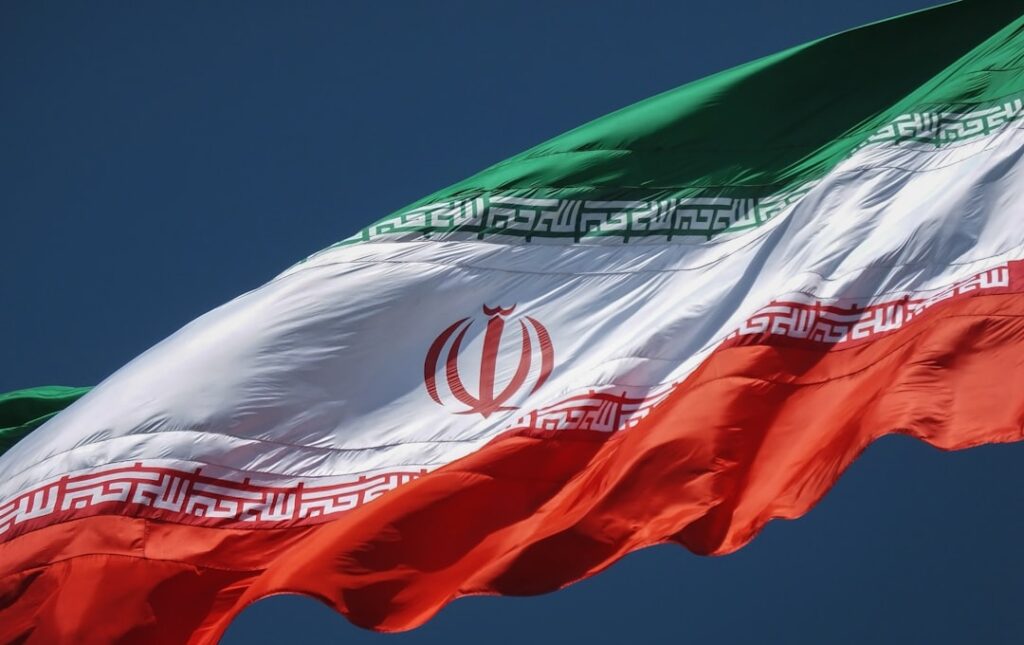
Image: GlobalBeat / 2026
Trump Iran Deal: President Claims War Agreement ‘Largely Negotiated’ After Saudi Talks
President Donald Trump told reporters Tuesday that his administration has “largely negotiated” a deal to end Iranian military threats following intensive diplomacy with Saudi Arabia.
The president revealed the development during a White House press conference, saying the framework addresses Iran’s nuclear program and regional military activities after weeks of behind-the-scenes negotiations.
The announcement signals a potential breakthrough in tensions that escalated after Iran’s April missile strikes against Israeli targets and subsequent U.S. military buildup in the Persian Gulf. European diplomats have warned that without a diplomatic solution, the region could face its most significant conflict since the 2003 Iraq war.
Trump spoke alongside Saudi Crown Prince Mohammed bin Salman at the White House, where the kingdom’s de facto ruler concluded a three-day visit aimed at securing American security guarantees. “We’ve made tremendous progress,” Trump said. “The deal is largely negotiated. We have to see where it goes.”
The president provided no specific details about the agreement’s terms or timeline, but indicated that Saudi Arabia would play a central role in monitoring Iranian compliance. Saudi officials have privately pressed Washington for a comprehensive framework that includes restrictions on Tehran’s ballistic missile program and support for regional militias.
Iranian Foreign Minister Abbas Araghchi responded cautiously to Trump’s comments, telling state television that Tehran would “evaluate any serious proposal” but emphasized that previous negotiations failed due to American “bad faith.” The foreign ministry spokesman later tweeted that Iran would not accept “excessive demands” regarding its defensive capabilities.
The potential deal emerges after months of escalating confrontation that brought the region to the brink of direct conflict. Iran’s Islamic Revolutionary Guard Corps launched over 300 missiles at Israeli military installations in April, prompting retaliatory strikes that destroyed portions of Tehran’s air defense network. The exchange followed Israel’s assassination of several Iranian nuclear scientists and military commanders.
Israeli officials expressed skepticism about any agreement that would allow Iran to maintain its nuclear infrastructure. Prime Minister Benjamin Netanyahu’s office released a statement saying Israel “will not be bound by any deal that enables Iran to obtain nuclear weapons” and reserved “complete freedom of action” to prevent such an outcome. The statement came after Netanyahu held emergency consultations with his security cabinet.
European powers have pushed for a revived nuclear agreement since Trump withdrew from the 2015 Joint Comprehensive Plan of Action during his first term. France, Germany and Britain warned in a joint diplomatic note that Iran’s uranium enrichment program has reached 84% purity, just below weapons-grade levels. The International Atomic Energy Agency confirmed that Iran’s stockpile of enriched uranium has grown to more than 30 times the limit set under the previous agreement.
The potential economic benefits of any deal could reshape regional dynamics. Saudi Arabia has indicated willingness to invest hundreds of billions in Iranian infrastructure projects if Tehran accepts stringent verification measures, according to diplomatic cables reviewed by GlobalBeat. The kingdom’s sovereign wealth fund has already identified opportunities in Iran’s aging oil and gas sector, which requires an estimated $200 billion in foreign investment to modernize outdated facilities.
Regional allies have responded with mixed signals to Trump’s announcement. The United Arab Emirates foreign ministry welcomed “any initiative that promotes regional stability” while quietly expressing concern about being sidelined in negotiations. Qatar offered to host direct talks between Washington and Tehran, reviving its traditional role as intermediary between adversarial powers.
Background
Tensions between Washington and Tehran have dominated Middle East politics since the 1979 Islamic Revolution transformed Iran from American ally to regional adversary. The relationship deteriorated further after 2002 when President George W. Bush labeled Iran part of an “axis of evil,” prompting Tehran to accelerate its nuclear program that it maintained was purely peaceful. Multiple rounds of sanctions imposed by successive administrations have crippled Iran’s economy but failed to halt uranium enrichment activities.
The 2015 nuclear agreement negotiated under President Barack Obama offered Iran sanctions relief in exchange for strict limits on its nuclear activities. Trump unilaterally abandoned the deal in 2018, reimposing sanctions that cut Iranian oil exports by 80% and sent the currency into freefall. Iran responded by gradually violating the agreement’s restrictions while maintaining that its nuclear program remained civilian in nature. The assassination of top Iranian general Qassem Soleimani by American drone strike in January 2020 brought the two nations to the brink of war.
What’s Next
Trump said he expects to present specific terms to Iran “within weeks” and indicated that European powers would be invited to participate in final negotiations. The State Department has scheduled briefings with congressional leaders for next week to discuss lifting certain sanctions if Iran agrees to comprehensive international inspections of its nuclear facilities and regional military positions.
The president’s ability to deliver any agreement remains uncertain given domestic political pressures and Iran’s history of negotiating tactics that prolong talks while advancing nuclear activities. Congressional Republicans have already signaled opposition to sanctions relief without complete Iranian capitulation, while Tehran’s hardliners view any compromise as capitulation to American demands that threaten national sovereignty.
Senior Correspondent, World & Geopolitics
Muhammad Asghar covers international affairs, conflict zones, and US foreign policy for GlobalBeat. He has reported on events across the Middle East, South Asia, and Eastern Europe, with a focus on the intersection of diplomacy and armed conflict. He has been writing wire-service journalism for over a decade.