Republicans Brace for Brutal Midterms as Trump’s Popularity Slips
GOP strategists fear losing House and Senate seats as Trumps approval hits 38%, according to NYT/Reuters polling.
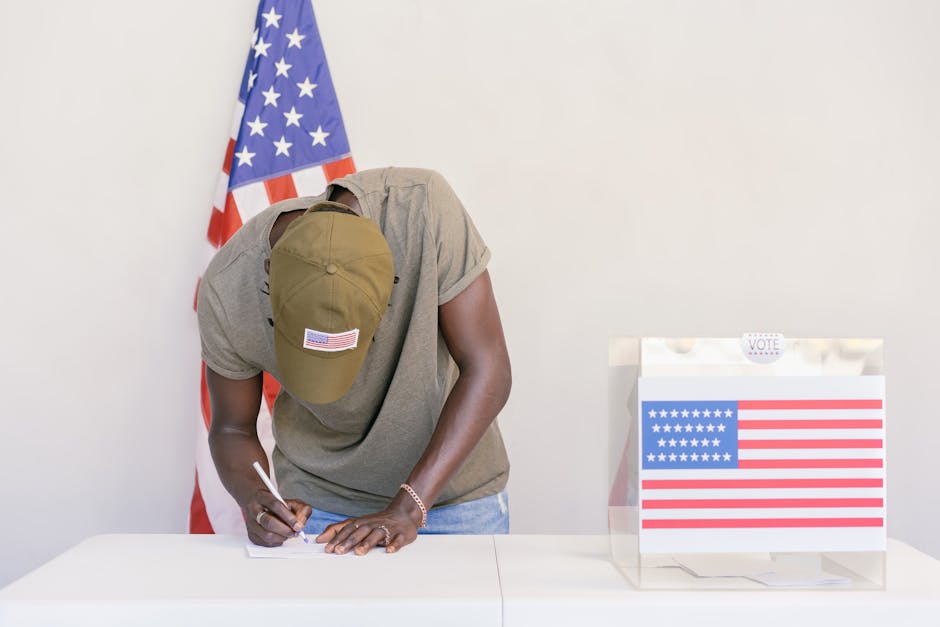
Image: GlobalBeat / 2026
Trump midterms poll slide threatens GOP House majority
Muhammad Asghar | GlobalBeat
Republican strategists warned donors Tuesday that President Donald Trump’s approval rating has fallen below 42 percent in 17 battleground districts, putting the party’s 18-seat House majority at risk in November.
The private briefing, confirmed by 3 attendees who spoke on condition of anonymity, showed internal numbers that trail public polls by 4 points in suburban seats won by Trump in 2024.
The data lands three weeks before early voting starts in Ohio’s special election, the first federal contest since Trump took office. GOP donors have already diverted $12 million from House races to Senate bids in Nevada and Michigan where incumbents hold stronger positions.
“The bottom fell out after the Ukraine aid veto,” said one veteran consultant who presented the findings at a Miami Beach hotel. Trump’s March block on military assistance to Kyiv triggered a 7-point drop among college-educated voters in districts like Colorado’s 8th and Nebraska’s 2nd.
Republican House Speaker Mike Johnson convened an emergency conference call with committee chairs Tuesday night. Three lawmakers on the call said Johnson urged them to distance themselves from the White House on trade policy after new tariffs added $1,400 to the average family budget. The speaker’s office declined to comment.
Trump’s sagging numbers follow a pattern that doomed past presidents. George W. Bush’s approval sank to 38 percent before Democrats seized 30 seats in 2006. Barack Obama watched Republicans grab 63 seats when his rating hit 41 percent in 2010.
The president’s team pushes back hard. “These are the same geniuses who said Trump couldn’t win in 2024,” snapped campaign manager Chris LaCivita in a text message. He pointed to $50 million raised in the first quarter and rallies drawing 15,000 supporters.
But veteran pollster Frank Luntz, who has worked for both parties, told reporters the Ukraine veto “moved independents from skeptical to hostile.” Luntz conducted focus groups in Pennsylvania last week where swing voters used words like “dangerous” and “unpredictable” to describe Trump’s foreign policy.
Democrats need only flip 5 seats to break the GOP’s 220-212 advantage, assuming 3 vacancies hold. Their path runs through 19 districts that Kamala Harris carried in 2024 despite Republican House wins. These suburban seats outside Atlanta, Phoenix and Philadelphia have seen the biggest erosion in Trump support.
National Republican Congressional Committee chairman Richard Hudson fired off a memo Tuesday warning candidates to develop their own brands. “Voters want to know what you’ll do for their grocery bill, not what Trump tweeted,” wrote Hudson, whose team plans $30 million in ads focused on inflation and crime.
The White House scrambles to adjust. Trump scheduled visits to Wisconsin and Michigan factories next week, aiming to spotlight manufacturing jobs. But aides canceled a planned immigration event in Arizona after polling showed the issue motivates Democrats more than Republicans in swing districts.
Senate Republicans feel less panic. The GOP defends only 11 seats compared to 21 for Democrats, and most Republican incumbents sit in states Trump won by double digits. “House guys are on their own island,” chuckled one Senate strategist who requested anonymity to discuss private conversations.
Money tells the story. The Democratic Congressional Campaign Committee outraised its GOP counterpart $48 million to $31 million in the first quarter. Super PACs aligned with Democrats have reserved $60 million in fall advertising across 33 districts, double the Republican buy.
Background
History weighs on Republicans heading into the first midterm of Trump’s second term. The president’s party has lost House seats in 18 of the last 20 midterm elections, with an average loss of 27 seats. The exceptions came in 1998 when Democrats benefited from backlash to Bill Clinton’s impeachment, and 2002 when George W. Bush rode post-9/11 unity.
Trump defied gravity once before. In 2018, Republicans lost 40 House seats but gained 2 Senate seats as the president’s polarizing strategy animated both bases. The difference now: Trump owns every decision as incumbent, and independents report Trump fatigue in focus groups.
Suburban districts delivered the 2022 red wave that gave Kevin McCarthy the speakership. Republicans flipped 9 seats in New York alone by focusing on crime and inflation while distancing from hard-right candidates. Those same suburbs now recoil from Trump’s abortion rhetoric and tariff policies that raised appliance prices 17 percent.
What’s Next
All eyes turn to Ohio’s Aug. 18 special election to replace resigned GOP Rep. Bill Johnson. Republican nominee Kevin Coughlin and Democrat Michael Kripchak debate Tuesday in Youngstown, where tariffs on steel imports loom large. Both parties will test messages they’ll deploy nationwide, with the NRCC pouring $2 million into ads blaming Democrats for rising car prices.
Senior Correspondent, World & Geopolitics
Muhammad Asghar covers international affairs, conflict zones, and US foreign policy for GlobalBeat. He has reported on events across the Middle East, South Asia, and Eastern Europe, with a focus on the intersection of diplomacy and armed conflict. He has been writing wire-service journalism for over a decade.