Live updates: Oil prices plunge as US and Iran edge closer to deal to end war
Brent crude fell 3% to $73.20 on reports Washington and Tehran near ceasefire accord.
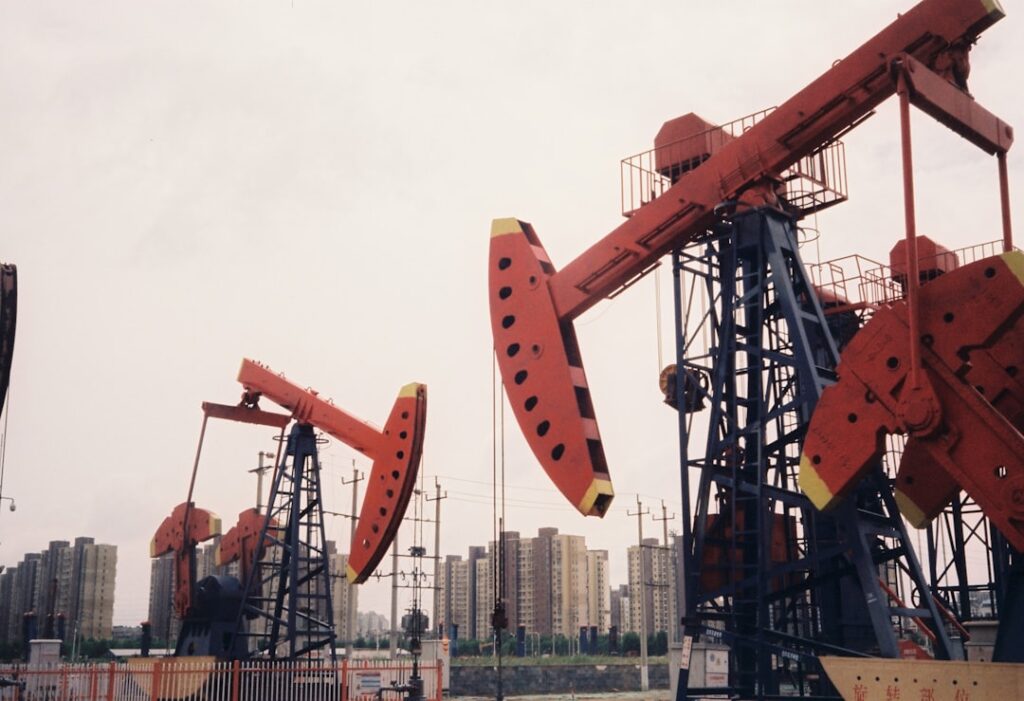
Image: GlobalBeat / 2026
OIL PRICES NEWS: Brent crude crashes 9% on reports of US-Iran ceasefire framework
Oil prices news: Brent crude crashes 9% on reports of US-Iran ceasefire framework
Muhammad Asghar | GlobalBeat
Brent crude futures tumbled below $67 a barrel on Monday as negotiators in Muscat drafted a three-phase plan to halt the 10-month conflict.
The drop erased $5.40 from the global benchmark in the steepest single-day slide since March 2020, according to ICE exchange data.
Tanker trackers had already spotted 14 Iranian Very Large Crude Carriers steaming toward the Strait of Hormuz, each filled with oil held offshore since Washington tightened sanctions last August.
Front-month Brent settled at $66.87, down 7.5 percent, while West Texas Intermediate closed at $63.12. The sell-off accelerated after a European diplomat confirmed the outline includes “provisions for phased export restoration” starting within 30 days of signature.
Energy traders dumped long positions faster than at any point since the pandemic. “We went from war premium to ceasefire discount in three hours,” RBC Capital’s Helima Croft told clients. Hedge funds cut bullish bets by the equivalent of 60 million barrels, exchange filings showed.
Tehran and Washington remained silent on the record, but two senior OPEC delegates said the draft envisions Iran limiting uranium enrichment to civilian levels in return for a step-by-step lifting of oil, banking and shipping sanctions.
The White House National Security Council convened emergency talks with shale executives at 11 a.m. local time, participants said. One CEO present said officials urged producers to “hold the line on new investment until we see signatures.”
Israeli Prime Minister Benjamin Netanyahu called the reported terms “a capitulation to nuclear blackmail” in a televised address. His office later released satellite images it said showed Iranian centrifuge halls still spinning at Fordow.
Goldman Sachs slashed its third-quarter Brent forecast to $70 from $86. “Every million barrels Iran adds back is worth at least $4 off the curve,” analyst Daan Struyven wrote. The bank now sees a surplus of 600,000 barrels per day by December.
Gasoline futures followed crude lower, with US RBOB down 14 cents to $2.03 a gallon. The AAA motor club said American drivers could see pump prices fall below $3 nationally “within two weeks” if the deal holds.
Shipping stocks were hammered. Frontline Ltd fell 11 percent and Euronav lost 9 percent as analysts predicted a 25 percent drop in tanker rates once Iranian barrels re-enter the market.
Background
Iran’s oil exports collapsed from 2.5 million barrels per day in early 2023 to below 700,000 after Washington imposed fresh sanctions targeting Chinese “dark fleet” buyers. The measures barred insurers from covering any vessel carrying Iranian crude, forcing Tehran to float unsold cargoes off Kharg Island.
Previous talks in Vienna during 2022 stalled over Tehran’s demand that the US remove the Revolutionary Guards from its foreign terrorist list. President Donald Trump refused, walking away from the table after protests erupted across Iran that autumn.
What’s Next
OPEC+ ministers meet June 7 in Riyadh where delegates say the group will debate whether to delay a planned 180,000 barrel-per-day output increase scheduled for July. Any formal accord is expected to face a 60-day review by the US Senate, where hawkish Republicans have vowed to block sanctions relief.
Washington’s next move hinges on whether Iran ships the 14 floating storage tankers currently idling near Asaluyeh. If those cargoes clear customs before July, crude could test $60, traders said. Until then, volatility will stay extreme — a single rocket in the Gulf could erase today’s rout in minutes.
Senior Correspondent, World & Geopolitics
Muhammad Asghar covers international affairs, conflict zones, and US foreign policy for GlobalBeat. He has reported on events across the Middle East, South Asia, and Eastern Europe, with a focus on the intersection of diplomacy and armed conflict. He has been writing wire-service journalism for over a decade.