Iran war live: Tehran warns more economic woes for US over ‘war of choice’
Tehran vows further U.S. economic pain, calling strikes a “war of choice,” as Iran-U.S. tensions escalate.
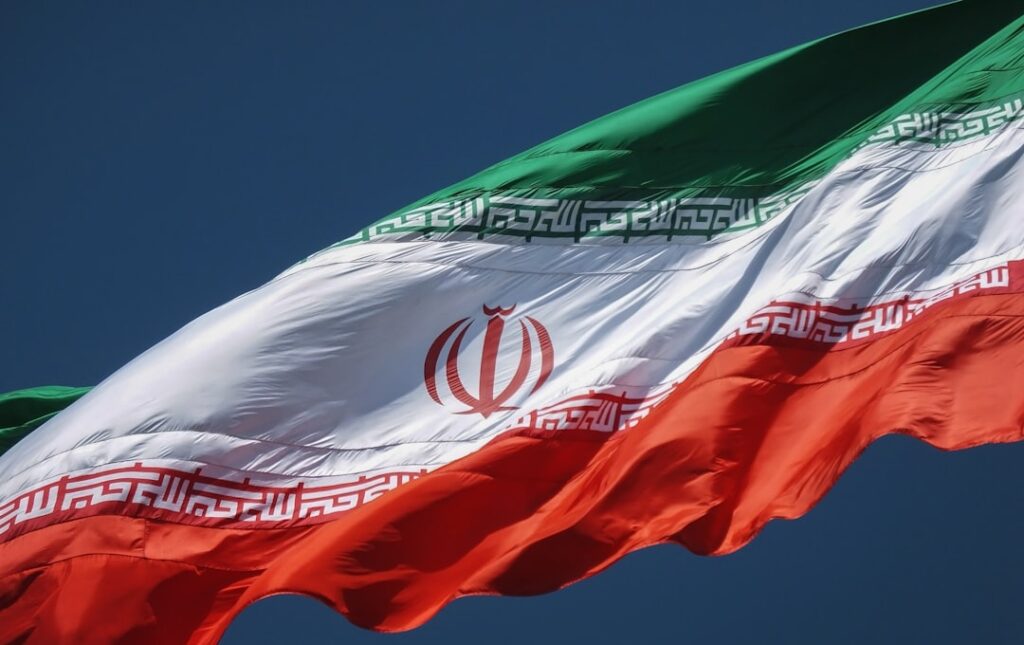
Image: GlobalBeat / 2026
Iran war: Tehran vows US economic pain after ‘war of choice’ declaration
Muhammad Asghar | GlobalBeat
Iran’s Foreign Minister Abbas Araghchi warned Washington of “crippling economic consequences” after President Trump labeled ongoing tensions a “war of choice” he blamed on Tehran.
The threat came hours after Trump told reporters at the White House that Iran “picked this fight” and would “pay a very big price” for attacks on US forces across the Middle East.
Oil markets shuddered. Brent crude surged 8% to $89 per barrel, its highest level since October. The spike erased morning gains on Wall Street as traders priced in potential Iranian disruption of shipping lanes through the Strait of Hormuz, gateway for 20% of global oil supplies.
Araghchi fired back on state television. “The Americans talk of choice, but they chose escalation,” he said. “Now they will face the economic fallout of that choice.”
The foreign minister gave no specifics. Iranian officials have previously threatened to mine the strait or attack Saudi oil terminals if US bombs fall on Iranian soil. The Revolutionary Guard’s navy maintains hundreds of fast attack boats along the Persian Gulf coast.
Trump’s “war of choice” comment marked a shift in White House messaging. For weeks administration officials framed potential strikes as defensive responses to Iranian-backed militia attacks that killed 3 US soldiers in Jordan last month. The president’s new framing casts Iran as aggressor and America as reluctant warrior.
Defense Secretary Pete Hegseth reinforced the line at the Pentagon. “Tehran calculates it can bleed us through proxies,” he told reporters. “They’re about to learn that math doesn’t work.”
Hegseth refused to rule anything out. “All options stay on the table,” he said when asked about possible strikes on Iranian nuclear facilities. “The president will decide based on what protects American lives.”
European capitals braced for fallout. French President Emmanuel Macron convened an emergency defense council at the Élysée Palace. British Prime Minister Keir Starmer canceled a planned trip to Northern Ireland, staying in London to monitor the crisis.
Both leaders urged restraint. A joint statement from Paris and London called for “maximum diplomatic pressure” to avoid “another catastrophic war in the Middle East.” Neither country offered to mediate directly.
China’s Foreign Ministry struck a more critical tone. Spokesman Lin Jian blamed “US military adventurism” for rising tensions and warned that “another Middle East war would devastate the global economy.”
Tehran’s regional rivals watched warily. Saudi Arabia put its military on heightened alert, according to a Saudi official who spoke on condition of anonymity. The kingdom’s oil installations remain vulnerable after the 2019 missile and drone attacks that briefly knocked out half its production. US intelligence blamed Iran.
Israel kept silent publicly. But Israeli officials privately told reporters they support US strikes on Iranian nuclear sites, viewing a nuclear-armed Iran as existential threat. The country has twice bombed nuclear reactors in the region, destroying Iraq’s in 1981 and Syria’s in 2007.
Inside Iran, the rial plunged to new lows. The currency traded at 610,000 to the dollar on unofficial markets, down from 580,000 yesterday. Ordinary Iranians rushed to buy dollars and gold, fearing worse to come.
“The economy can’t take another war,” said Hassan, a Tehran shopkeeper who gave only his first name. “We’ve already lost everything to sanctions.”
US sanctions have strangled Iran’s oil exports since 2018, when Trump withdrew from the nuclear deal. The country sells roughly 1 million barrels daily, mostly to China, down from 2.5 million before sanctions.
## Background
The US and Iran have danced on the brink of war before. In January 2020, Trump ordered the assassination of Revolutionary Guard commander Qassem Soleimani at Baghdad airport. Iran responded by firing missiles at US bases in Iraq, injuring over 100 American troops.
Both sides pulled back. But the underlying conflict simmered as Iran expanded its regional network of allied militias in Iraq, Syria, Lebanon and Yemen. These groups have attacked US forces over 160 times since October, according to Pentagon tallies.
The nuclear issue compounds tensions. Iran has enriched uranium to 60% purity, weapons-grade level. US intelligence estimates Tehran could produce enough fissile material for a bomb within weeks if it chose to. Iranian leaders insist their program is peaceful.
## What’s Next
Trump meets his national security team Friday to consider response options. Officials say targets range from militia bases in Iraq to Iranian naval assets to, most dramatically, nuclear facilities at Natanz and Fordow. Any strikes would likely come this weekend, according to officials familiar with planning.
The president faces a narrow window. Waiting risks more American casualties but acting risks wider war. Iran has threatened to unleash Hezbollah, its Lebanese proxy, on Israel if US bombs fall on Iranian territory. The group possesses an estimated 150,000 rockets and missiles.
Oil traders watch Hormuz. If Iranian speedboats seize tankers or mines the strait, crude could spike past $100, economists warn. That would fuel inflation just as Trump campaigns for midterm elections. The Strait of Hormuz, 21 miles wide at its narrowest point, handles 21 million barrels of oil daily.
Senior Correspondent, World & Geopolitics
Muhammad Asghar covers international affairs, conflict zones, and US foreign policy for GlobalBeat. He has reported on events across the Middle East, South Asia, and Eastern Europe, with a focus on the intersection of diplomacy and armed conflict. He has been writing wire-service journalism for over a decade.