Steven Spielberg says he’s ‘never used AI’ in any of his films
At SXSW, Spielberg said he’s never used AI in filmmaking and opposes it replacing creative talent.
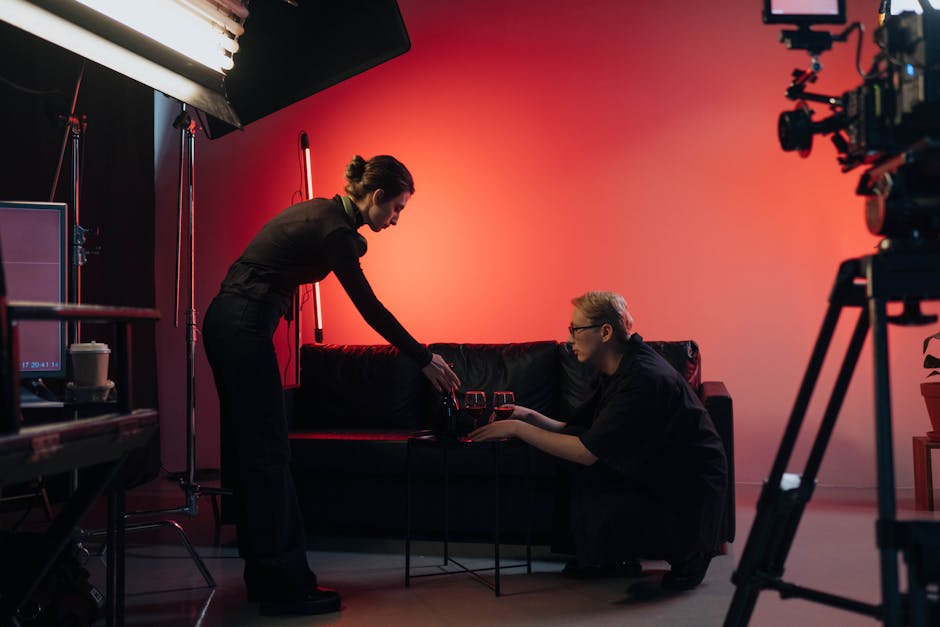
Image: GlobalBeat / 2026
Steven Spielberg Rejects AI in Filmmaking
Oscar-winning director tells SXSW audience he has ‘never used’ artificial intelligence tools
Sarah Mills | GlobalBeat
• Spielberg confirms zero AI use across decades of filmmaking
• Film and TV writers face potential displacement from generative AI tools
• Director spoke at SXSW technology conference in Austin
• Hollywood unions continue negotiating AI protections in 2024
• Spielberg’s stance echoes 1980s directors who resisted digital editing
Steven Spielberg drew a clear line in the sand at this year’s SXSW conference, declaring he has never used artificial intelligence in any of his films despite rapid technological advances reshaping Hollywood production methods.
The 77-year-old director’s revelation comes as the entertainment industry grapples with mounting pressure to integrate AI tools into creative processes, from script writing to visual effects. His statement carries particular weight given Hollywood’s ongoing labor disputes over AI replacing human creativity, making the Steven Spielberg AI position a rallying point for traditional filmmakers.
A Director Draws His Line
Speaking to a packed auditorium in Austin, Spielberg acknowledged AI’s utility across various sectors while maintaining an unwavering stance on creative work. “AI has uses in many fields,” he told the audience, “but not when it comes to replacing creative people in film and TV writing.”
The declaration represents more than personal preference—it signals resistance from one of cinema’s most influential voices against the technology sector’s encroachment into artistic domains. Spielberg’s filmography, spanning from “Jaws” to “West Side Story,” has consistently emphasized human storytelling over technological wizardry, even as his films pioneered new visual effects techniques.
His position emerges as generative AI tools like ChatGPT and image-generation software increasingly target creative industries, promising faster script development and cheaper production methods that studios find irresistible during economic uncertainty.
The Union Battle Behind the Statement
Hollywood writers and actors spent much of 2023 striking partially over AI concerns, achieving landmark protections that require studios to notify performers when AI generates their likenesses and prevent AI from receiving writing credits. Spielberg’s comments reinforce these hard-won victories at a moment when studios test these new boundaries.
The Directors Guild of America, which represents Spielberg among 19,000 others, secured similar AI safeguards in their negotiations, though implementation remains murky as technology evolves faster than contracts can adapt. Studios continue exploring AI applications for storyboarding, editing assistance, and even generating preliminary cuts of scenes.
Spielberg’s stance provides ammunition for creatives arguing that artificial intelligence fundamentally misunderstands the human experience that drives compelling storytelling, from character development to emotional authenticity that audiences subconsciously detect.
Technical Purity Versus Digital Evolution
The director’s rejection of AI tools extends his decades-long pattern of embracing technology only when it serves human storytelling rather than replacing it. His skepticism mirrors his initial resistance to digital cinematography, which he eventually adopted while maintaining preference for traditional film stock when possible.
Industry insiders note that Spielberg’s production company, Amblin Partners, maintains strict guidelines requiring human oversight for all creative decisions, from script development through post-production. This approach contrasts sharply with streaming services and major studios racing to implement AI tools that promise cost reductions and faster turnaround times.
The Steven Spielberg AI position carries particular credibility given his technical innovations, including pioneering use of CGI in “Jurassic Park” and motion capture in “The Adventures of Tintin,” demonstrating that his resistance stems from creative philosophy rather than technophobia.
Global Film Industry Reactions
International directors quickly endorsed Spielberg’s position, with France’s Céline Sciamma and South Korea’s Bong Joon-ho echoing concerns about AI diminishing cinematic authenticity. The European Film Academy announced plans to formalize anti-AI guidelines for festival submissions, potentially creating a two-tier system separating AI-assisted from traditionally created works.
Chinese studios present a stark contrast, with state-backed companies openly promoting AI-generated content as cost-effective weapons in the ongoing soft-power competition with Hollywood. Streaming platforms like iQiyi already deploy AI tools for script analysis and audience prediction, claiming improved efficiency metrics.
India’s massive Bollywood industry remains divided, with traditional filmmakers siding with Spielberg while production houses serving streaming giants quietly adopt AI tools to meet content demand from global platforms hungry for regional content at scale.
The Economics of Human Creativity
What’s less clear is how long Spielberg’s purity stance can withstand mounting economic pressure. Studio executives privately calculate that AI-assisted productions could reduce writing costs by 30-40 percent while accelerating development timelines that typically span years for traditional projects.
Independent filmmakers face particular pressure as investors increasingly demand AI integration proofs before funding projects, creating a divide between established auteurs like Spielberg who can dictate terms and emerging directors forced to embrace new tools for financing access.
The numbers tell a different story than Spielberg’s principled stand suggests: venture capital poured $4.5 billion into entertainment AI startups in 2023 alone, betting that economic logic will eventually overwhelm artistic resistance regardless of individual director preferences.
A Creative Future Without Shortcuts
Consider Maria, a 28-year-old screenwriter who spent three years perfecting her debut screenplay about immigrant families in Queens, rejecting studio suggestions to use AI for “punching up” dialogue that felt inauthentic to her community’s experience. Her script, written entirely without artificial assistance, secured independent financing after 43 rejections from AI-focused studios.
Her eventual production employed local actors who contributed lived experiences that enriched performances beyond what algorithmic analysis could predict, demonstrating the human elements that Spielberg defends. The film’s festival success validated resistance to shortcuts that AI promises but cannot deliver for stories rooted in specific cultural truths.
Maria’s experience embodies thousands of emerging creatives choosing between artistic integrity and industry pressure, making Spielberg’s public stance a professional lifeline amid technological upheaval transforming their chosen field.
Industry Deadlines Loom
Major studio contracts with AI companies expire in June 2024, setting up renewed negotiations where Spielberg’s position could influence terms. The Directors Guild faces pressure to solidify anti-replacement language before summer production seasons begin, with Spielberg reportedly preparing to testify before guild members about preserving human creative control.
Meanwhile, California legislators prepare hearings on AI regulation in entertainment scheduled for September, potentially creating the first state-level restrictions on artificial intelligence use in creative industries. Spielberg’s SXSW statements will likely feature prominently in testimony as lawmakers weigh economic benefits against cultural preservation concerns.
The coming months will determine whether Spielberg’s stance represents the last stand for traditional filmmaking or merely a speed bump in AI’s inevitable march through creative industries worldwide.