A race for a safe blue seat tests how far left Democrats want new leaders to go
A Chicago-area blue-seat primary pits Gen Z progressive against Gen X and millennial rivals in a gauge of Democrats’ appetite for generational change.
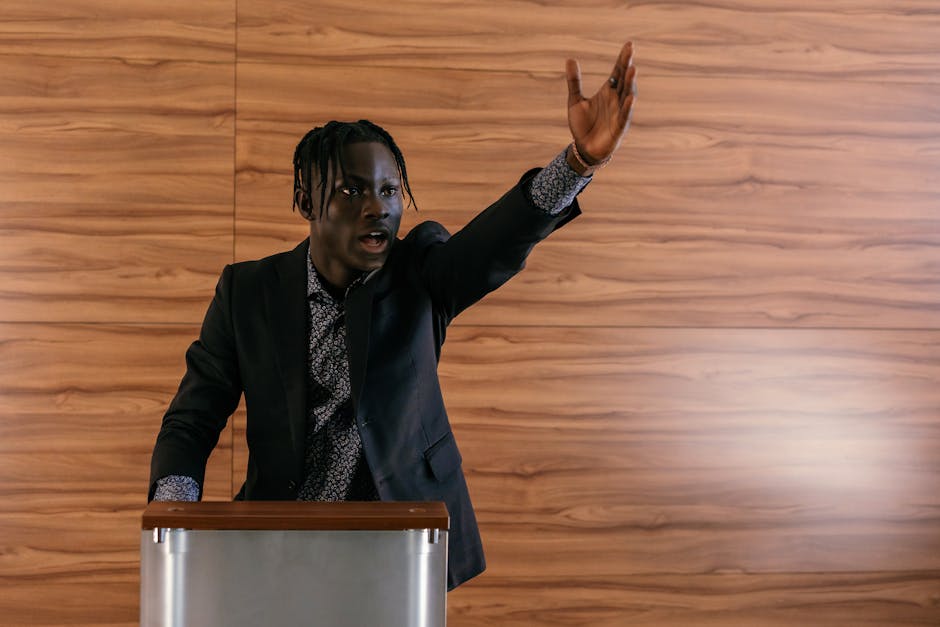
Image: GlobalBeat / 2026
Gen Z challenger tests Democrats safe seat primary in Chicago
Youngest candidate faces two older rivals in race to replace retiring congressman
Muhammad Asghar | GlobalBeat
📌 KEY FACTS
• Three decades separate the youngest and oldest candidates in Illinois’s 9th District Democratic primary
• The winner faces only token Republican opposition in November, making Tuesday’s primary decisive
• Incumbent Rep. Jan Schakowsky, 80, retires after 25 years representing the Chicago-area district
• Early voting ends Monday; polls open 6 a.m. to 7 p.m. Tuesday
• Illinois hasn’t elected a Gen Z member of Congress since the Constitution lowered the voting age in 1971
A 25-year-old progressive organizer trails a 46-year-old state senator and 62-year-old nonprofit executive in the Democrats safe seat primary that will effectively choose the next representative for Illinois’s solidly Democratic 9th Congressional District.
The Chicago-area contest crystallizes the generational tensions gripping the Democratic Party nationwide as younger activists demand more aggressive action on climate change, housing affordability, and Gaza policy. With no serious Republican challenger in November, Tuesday’s primary determines who inherits a district Democrats have held since 1949.
The twenty-something trying to make history
Abdelnasser Rashid, a Palestinian-American community organizer, would become the first Gen Z member of Congress if elected. Born in 1999, he meets the constitutional age requirement by just nine months. His platform includes a Green New Deal, Medicare for All, and conditioning military aid to Israel—positions that put him to the left of his opponents and current Rep. Jan Schakowsky.
Rashid’s candidacy mirrors successful young insurgents like Rep. Maxwell Frost of Florida, who won his safe Democratic seat at 25 last cycle. The Harvard graduate has raised $420,000, mostly from small donors, and earned endorsements from the Sunrise Movement and Justice Democrats—the same groups that propelled Alexandria Ocasio-Cortez to prominence.
His campaign argues that incremental change failed working families and that only bold progressive policies can address the district’s rising housing costs, which increased 38% since 2019 according to Zillow data the campaign frequently cites.
Establishment favorite offers pragmatic pitch
State Senator Laura Fine has secured endorsements from Schakowsky, Chicago Mayor Brandon Johnson, and nearly every labor union in the district. The former social worker emphasizes her legislative record passing gun safety laws and expanding childcare subsidies in Springfield, arguing that experience matters more than revolutionary rhetoric.
Fine’s campaign has raised $580,000, including contributions from Emily’s List and the American Hospital Association’s PAC. She presents herself as Schakowsky’s natural successor while promising to fight for abortion rights and strengthen the Affordable Care Act rather than replace it.
“I’ve delivered real results for working families,” Fine said at a recent candidate forum. “We don’t need more Twitter warriors—we need problem-solvers who know how to build coalitions and get bills signed into law.”
The nonprofit executive bridging generations
Karen May, who led the nonprofit Metropolitan Planning Council for eight years, positions herself as the pragmatic progressive who can unite the party’s warring factions. Her policy platform includes elements popular with both moderates and the left: universal background checks, a public health insurance option, and negotiated drug prices for Medicare.
May has raised $340,000 and secured backing from several local elected officials. The Evanston resident emphasizes her executive experience managing a $6 million budget and 40-person staff, arguing that governing requires management skills that career politicians often lack.
Her campaign headquarters sits above a yoga studio in downtown Evanston, where volunteers spend evenings calling voters who’ve received four separate mailers highlighting her 100% environmental scorecard rating from the Illinois Environmental Council.
Housing crisis dominates voter concerns
All three candidates have released detailed housing platforms, reflecting voter anxiety about affordability in the district stretching from Chicago’s lakefront north suburbs to the Wisconsin border. Median home prices reached $485,000 in Evanston last month, pricing out many longtime residents.
Rashid proposes rent control and a massive expansion of public housing. Fine backs zoning reform to encourage more development near transit. May wants federal tax credits for first-time homebuyers and increased funding for the Low-Income Housing Tax Credit program.
The candidates’ differences reflect broader Democratic debates about whether market-based solutions or government intervention better address the housing shortage. Each campaign has knocked on doors in neighborhoods where property taxes increased 15% over four years, according to Cook County assessor data.
Foreign policy splits progressive coalition
The war in Gaza has emerged as a surprising flashpoint in the Democrats safe seat primary, where Jewish and Muslim voters each comprise roughly 15% of the electorate. Rashid’s call to condition military aid to Israel has drawn sharp criticism from Fine, who supports President Biden’s approach of providing weapons with humanitarian conditions.
May has tried straddling the divide, supporting Israel’s right to self-defense while criticizing civilian casualties and backing a ceasefire. The nuanced position has earned her endorsements from both pro-Israel and pro-Palestinian groups—rare in Democratic primaries nationwide.
Early voting patterns show Muslim-American turnout up 40% compared to 2022, according to local activists tracking participation in mosques and community centers across the district’s northern suburbs.
The deeper challenge facing Democrats
But the challenge runs deeper than generational change. The party’s progressive wing has struggled to translate activist energy into electoral victories in districts where Democrats dominate. Since 2018, Justice Democrats have won only three of 14 primary challenges against sitting House Democrats, with their candidates typically performing better in competitive general elections than safe Democratic seats.
The numbers tell a different story than the campaign rhetoric suggests. While Rashid rallies crowds of 200 at college campuses, Fine’s field operation has contacted 18,000 voters. May’s campaign has knocked on 12,000 doors. In a district where primary turnout typically hovers around 25%, the campaign with the strongest ground game usually prevails.
What this means for ordinary voters
Dr. Sarah Chen, a 34-year-old pediatrician in Skokie, illustrates the stakes for professionals priced out of the housing market. She pays $2,800 monthly rent for a two-bedroom apartment while saving for a down payment that keeps moving further out of reach. The candidates’ housing plans could determine whether she remains a lifelong renter or achieves the middle-class stability her immigrant parents sought when moving to Illinois in the 1990s.
A test case for Democratic parties worldwide
The generational divide playing out in Chicago mirrors struggles across industrialized democracies. Canada’s Liberal Party faces similar pressure from younger voters demanding aggressive climate action. Britain’s Labour Party recently selected 39-year-old Wes Streeting over older candidates for a safe London seat, while Germany’s Greens have promoted millennial candidates who criticize the party establishment’s gradualist approach.
These parallel contests suggest center-left parties worldwide confront the same dilemma: how to honor activist demands for transformative change while maintaining the moderate supporters necessary for governing coalitions. The Illinois result will signal whether insurgent campaigns can prevail in party strongholds or whether establishment organizing still trumps ideological enthusiasm.
What happens next
Early voting ends Monday at 7 p.m. across Cook County, with Election Day polls opening 6 a.m. Tuesday. Results should arrive by 10 p.m. given the district’s efficient vote-counting operation. The winner proceeds to face nominal Republican opposition in November in a district Biden carried by 35 percentage points, making Tuesday’s primary effectively the general election for a seat the next representative could hold for decades.