Iran’s ability to threaten Strait of Hormuz ‘degraded,’ US says after underground missile sites bombed
U.S. strikes on Irans underground missile sites have reduced Tehrans capacity to disrupt traffic through the Strait of Hormuz, American officials assert.
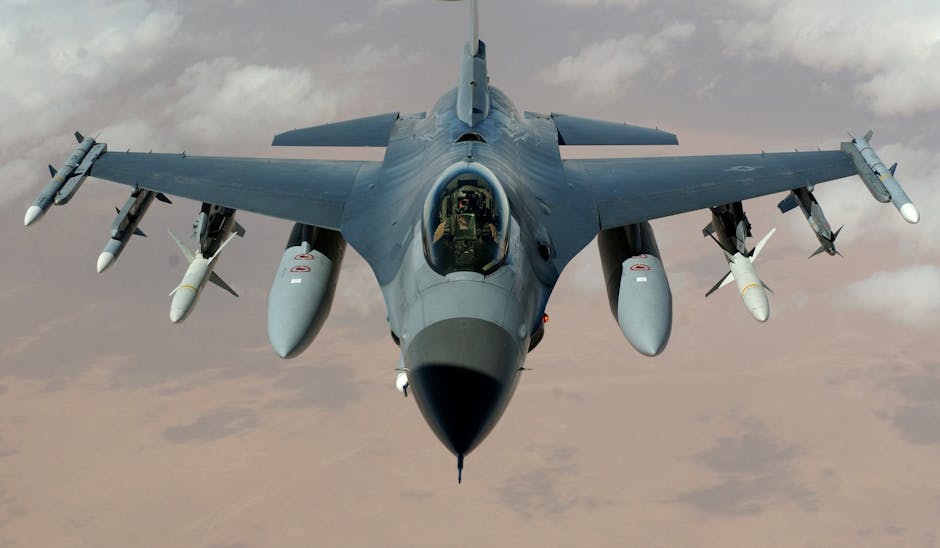
Image: GlobalBeat / 2026
Iran Hormuz missile sites bombed: US says Tehran’s strait threat cut
Muhammad Asghar | GlobalBeat
U.S. forces bombed multiple underground missile sites in southern Iran early Monday, reducing Tehran’s capacity to disrupt shipping through the Strait of Hormuz, defense officials announced.
The Pentagon released cockpit video showing 2,000-pound guided weapons entering tunnel mouths less than 30 km from the coast.
Roughly 20% of globally traded oil passes within sight of those positions each day. The narrow channel connects Persian Gulf producers to the Indian Ocean. Previous Iranian warnings to “close” it have pushed crude prices up by $5-8 per barrel within hours.
U.S. Central Command said the strike wave began at 02:15 local time. Two B-2 stealth bombers dropped 32 satellite-guided bombs on three tunnel complexes near Bandar Abbas, according to a statement. Secondary explosions lasted 90 minutes, suggesting stored missiles detonated. Initial satellite imagery showed mountain faces collapsed over the entrances, two officials told reporters on condition of anonymity.
Iran’s foreign ministry confirmed the attack in a dawn communique, saying “several military sites in Hormozgan province were targeted by American warplanes, causing material damage.” No casualty figure was released. State television broadcast footage of fire crews hosing smouldering rock but barred journalists from approaching the fenced perimeter.
Defense Secretary Pete Hegseth told a short press briefing the tunnels had contained cruise and ballistic missiles “purpose-built to menace civilian tankers and U.S. warships alike.” He said damage assessment was ongoing but “early indications are Iran’s power to choke Hormuz is measurably degraded.”
Oil markets opened sharply higher after the strike was announced. Brent crude futures surged $4.60 to $78.10 a barrel in Asian trading, or 6.3%. Prices eased to $76.40 after the White House said no further operations were planned “right now,” Reuters data showed.
Geneva-based tanker association INTERTANKO advised members to transit Hormuz only with naval escort. The U.S. Fifth Fleet, headquartered in Bahrain, said guided-missile destroyer USS Bainbridge and patrol ship USS Chinook were sailing in convoy formation with three commercial carriers. Britain’s Royal Navy said destroyer HMS Diamond would join them by Tuesday morning.
Tehran’s United Nations mission wrote to the Security Council denouncing “a naked act of aggression” and reserving “the inherent right to respond.” The letter cited Article 51 of the UN charter but gave no timeframe. Iranian lawmakers chanting “death to America” in an open session urged the government to expel remaining foreign inspectors from nuclear sites.
China and Russia called for restraint. Foreign ministry spokesman Lin Jian in Beijing said “all parties should avoid moves that escalate regional tension,” while Moscow labelled the bombing “unacceptable” without a UN mandate. Both statements arrived within 90 minutes of the attack.
European Union foreign policy chief Kaja Kallas urged “maximum de-escalation” in a Brussels statement. She said the bloc was ready to revive talks on a maritime surveillance mission last discussed in 2019 after tanker seizures spiked.
Israeli officials gave no on-record reaction, but an unnamed security source briefed domestic radio that Iran’s Islamic Revolutionary Guard Corps “had it coming.” Prime Minister Benjamin Netanyahu’s office restricted ministers’ comments, citing election-period rules.
Washington informed congressional leaders in a classified phone call minutes before the first bombs fell, according to a senior aide. Senate Majority Leader John Thune later told reporters lawmakers received a “clear legal rationale” based on threats to U.S. forces. Some Democrats demanded a closed hearing this week.
Amir-Abdollahian Street in central Tehran saw a few hundred flag-waving protesters by mid-morning, photos verified by the Associated Press showed. Riot police watched from armoured buses but did not intervene. Crowd size remained well below past rallies after prior U.S. killings of Iranian commanders.
The Pentagon’s Hegseth said planning began last week after intelligence showed missile fueling activity. He declined to say whether President Donald Trump ordered the strike personally, repeating only that “the chain of command functioned as designed.” The White House scheduled an all-senators briefing for Tuesday.
Background
The 21-mile-wide Strait of Hormuz has been a flashpoint since the 1980s, when Iraq and Iran attacked tankers during an eight-year war. Periodic seizures and mine placements surged again in 2019 after Washington imposed maximum economic sanctions on Tehran. Oil prices jumped 15% in a single week after incidents near Fujairah and the brief capture of the British-flagged Stena Impero.
Iran fields thousands of anti-ship cruise missiles, many mobile and hidden in coastal caves. U.S. Central Command estimates the inventory includes Chinese-designed Silkworms, self-built Noor types and newer Khalij Fars ballistic models. Previous commanders have warned that simultaneous volleys could overwhelm ship defences. Monday’s bombing appears aimed at reducing that magazine depth before further convoy operations.
What’s Next
U.S. naval commanders expect an Iranian response within days, telling shipping insurers convoys will sail in daylight only and transit times will be shared 24 hours in advance. The International Maritime Organization convenes an emergency session on Thursday at London headquarters where Gulf states are expected to seek a protective resolution.