GOP, Dems battle over Trump’s SAVE Act. But who will it really help?
Republicans and Democrats clash over Trumps SAVE Act, disagreeing on who gains as eligibility restrictions tighten for federal programs.
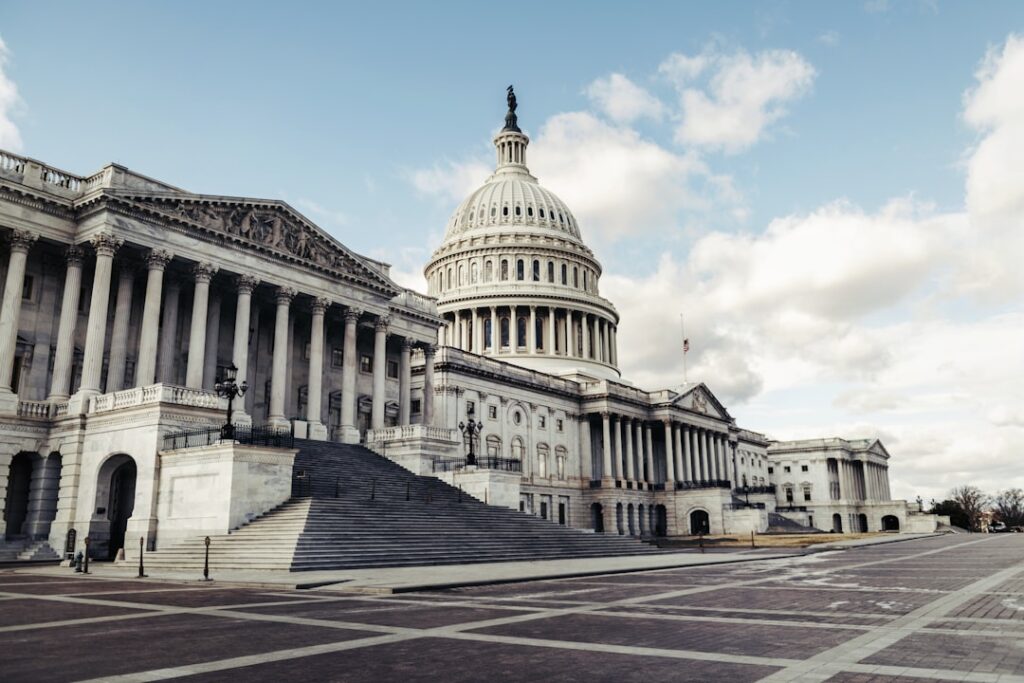
Image: GlobalBeat / 2026
SAVE Act impact: House votes on bill to bar non-citizen voting despite no evidence of fraud
Muhammad Asghar | GlobalBeat
Republicans pushed the Safeguard American Voter Eligibility Act through the House on Thursday, demanding documentary proof of citizenship for federal ballot registration.
The 220-208 vote split along party lines, with five Democrats crossing over to support the measure backed by former president Donald Trump.
Republicans said the change would close what they called a loophole that could let millions of non-citizens register illegally. Democrats countered that existing federal law already restricts voting to U.S. citizens, and documented cases of violations remain statistically negligible.
Speaker Mike Johnson told reporters the bill protected “the very core of our republic” by ensuring only citizens cast ballots. House Democratic leader Hakeem Jeffries called the proposal “a manufactured crisis designed to lay the groundwork for mass voter suppression.”
Current federal law requires voters to swear under penalty of perjury they are citizens, but states may accept federal voter registration forms without additional proof beyond a driver’s license or Social Security number.
The SAVE Act would mandate documentary evidence such as a passport, birth certificate or naturalization papers before election officials could add any name to federal voter rolls.
Republicans cited estimates from the Federation for American Immigration Reform, which reported a population of 11.3 million immigrants without legal status, as reason for tighter controls. “We simply don’t know who is registering,” Johnson said.
A 2022 investigation by the Georgia secretary of state’s office found 1,634 attempts by non-citizens to register during the previous 25 years. None succeeded, according to the office’s final report.
Democrats pointed to Heritage Foundation data showing 226 instances of non-citizen voting prosecuted across all states from 2003 through 2023, during which more than 700 million ballots were cast in federal races.
The Congressional Budget Office estimated 2.7 million citizens lack ready access to documentary proof and predicted registration costs for states would exceed $3 billion over five years.
Representative Joe Morelle, the ranking Democrat on the House Administration Committee, said rural and low-income citizens would face disproportionate hurdles in obtaining required documents.
Republicans rejected an amendment that would have allowed voters to sign an additional sworn statement under penalty of perjury if they could not produce qualifying papers.
The bill drew sharp opposition from civil rights groups. The American Civil Liberties Union warned it would “functionally disenfranchise millions of eligible voters.” The League of Women Voters called the proposal “a costly and unnecessary barrier.”
Trump endorsed the measure during an April rally in Michigan, saying “we must stop the flood of illegal voters.” His campaign emailed supporters asking them to pressure lawmakers hours before the vote.
Senate Majority Leader Chuck Schumer has not scheduled companion legislation, and the White House issued a statement opposing the House bill. President Joe Biden’s advisers would recommend a veto if the measure reached his desk, the statement said.
Republican leaders could attempt to attach the SAVE Act language to must-pass spending bills this fall, risking a partial government shutdown showdown with Democrats who control the Senate.
Background
Federal law has barred non-citizens from voting in congressional and presidential contests since 1996, when Congress passed the Illegal Immigration Reform and Immigrant Responsibility Act during the Clinton administration.
Several cities including San Francisco and Washington, D.C., allow non-citizens to vote in local school board or municipal elections, but ballot systems separate those contests from federal races to comply with national restrictions.
Trump alleged “millions of illegal votes” cost him the popular vote in 2016, but a White House advisory commission he appointed disbanded without finding evidence of widespread fraud. Subsequent academic and government studies confirmed non-citizen voting remains rare.
What’s Next
The SAVE Act heads to the Democratic-controlled Senate, where no committee chairman has indicated plans for hearings. Johnson predicted intense grassroots pressure could force Schumer to allow a vote before the November elections.