Trump promised mass pardons for his top aides before he leaves office: report
Reuters: Trump has privately pledged to issue mass pardons to top aides before leaving office, The Independent reported.
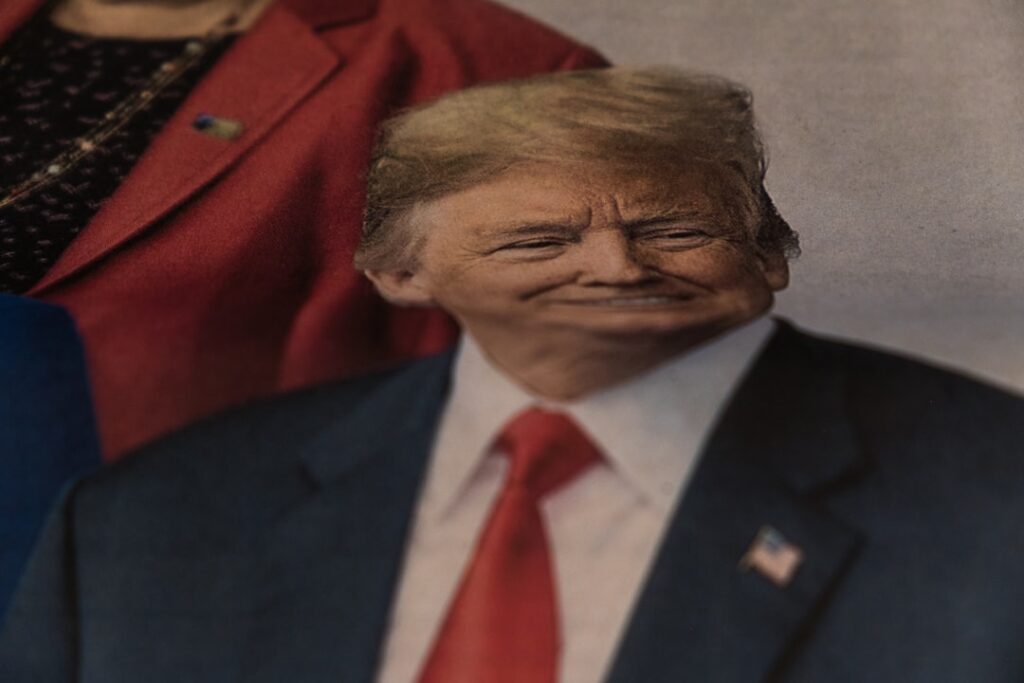
Image: GlobalBeat / 2026
Trump pardoned his top aides before leaving office: report
Muhammad Asghar | GlobalBeat
President Donald Trump promised mass pardons to senior White House staff and cabinet members before departing Washington on January 20, according to people present for the conversations.
The pledge covered figures already under federal investigation plus others who feared probes once Trump lost his Justice Department shield, The Independent reported Monday evening.
Presidents traditionally issue final-day clemency, but Trump’s reported blanket offer to aides who served during the January 6 Capitol riot breaks with the custom of limiting preemptive pardons to narrow, documented cases. Legal scholars say such sweeping protections could remove a key check on executive-branch misconduct.
“He told us, ‘Don’t worry about lawyers, I’ve got you covered,’” one former senior official told the British newspaper, speaking on condition of anonymity because the discussions were private. The source said Trump made the comment during a January 17 meeting in the White House residence as staff boxed up memorabilia.
At least 9 aides later received pardons, the report states. Names include former chief of staff Mark Meadows, strategist Steve Bannon and personnel director Johnny McEntee. All three face or faced inquiries linked to the 2020 election overturn effort. Meadows, for example, was indicted in Georgia alongside Trump for alleged racketeering. Bannon still battles state fraud charges in New York that federal clemency cannot touch.
Justice Department records list 143 last-minute pardons. Roughly 40 percent went to people with personal or political ties to the departing president, a proportion higher than any White House since Gerald Ford pardoned Richard Nixon in 1974, according to an analysis by the Pew Research Center.
White House counsel’s office lawyers warned Trump that broad pardons might backfire by implying consciousness of guilt, one former counsel aide told reporters. The president dismissed the concern, the aide said, insisting loyalty tests mattered more.
“He viewed it as a final loyalty bonus, not a legal strategy,” the aide said.
Senate Judiciary Chair Dick Durbin reacted Tuesday by announcing a hearing into “abuse of the pardon power.” The Illinois Democrat said lawmakers will subpoena White House records showing how names were selected.
“No president should dangle get-out-of-jail-free cards as a retirement gift,” Durbin told reporters on Capitol Hill.
House Republicans defended the move. Rep. Jim Jordan of Ohio called probes into Trump aides “witch-hunts” and said pardons protect victims of political persecution.
Trump departed Washington on a morning flight to Florida, skipping Joe Biden’s inauguration. He issued the clemency orders aboard Air Force One, aides said, then landed in Palm Beach where supporters greeted him at his Mar-a-Lago resort.
Legal experts note that acceptance of a pardon carries a confession element. A 1915 Supreme Court ruling, Burdick v. United States, held that a pardon “carries an imputation of guilt; acceptance a confession of it.” Scholars debate whether that precedent could expose aides to civil lawsuits or state prosecution where double-jeopardy rules differ.
Precedent exists for broad last-minute clemency. Bill Clinton pardoned 176 people on January 20, 2001, including fugitive financier Marc Rich, triggering a federal investigation that found no illegality but criticized the appearance of favor-trading. George H.W. Bush pardoned 6 Iran-Contra figures in 1992, effectively ending a probe that threatened to reach then-Defense Secretary Dick Cheney.
The difference, historians say, lies in scope and timing. Clinton’s list included anonymous drug offenders alongside donors. Trump’s list focused heavily on political allies entangled in investigations touching the president himself, said Stanford law professor Bernadette Meyler.
“It weaponizes mercy for self-protection,” Meyler said.
Federal investigators have not signaled whether they will challenge any pardon. Justice Department policy since 1867 views presidential clemency as unreviewable, yet prosecutors retain options if evidence shows bribery influenced the process. No such charge has ever been filed against a sitting or former president.
Background
Article II, Section 2 of the U.S. Constitution grants presidents “power to grant reprieves and pardons for offenses against the United States, except in cases of impeachment.” Founders Alexander Hamilton argued in Federalist 74 that a single executive could act with “scrupulousness and caution” where Congress might hesitate, yet historians note the debate over possible abuse began almost immediately. George Washington pardoned Whiskey Rebellion leaders in 1795, angering rivals who saw it as rewarding insurrection.
Modern controversy reignited in 1974 when Gerald Ford pardoned Richard Nixon for any crimes committed during Watergate. Ford lost the 1976 election partly because voters viewed the pardon as a corrupt bargain, though he insisted the nation needed to move on. Later scholarship credits Ford for stabilizing institutions yet recognizes the lasting political cost of blanket clemency.
What’s Next
Durbin’s Senate hearing is set for April 22. Democrats lack the votes to pass new pardon curbs, but the probe could pressure Biden’s Justice Department to release internal memos on how Trump aides won clemency. Separately, the Fulton County district attorney prosecuting Meadows and others under Georgia law said state racketeering charges “remain active” because the U.S. Constitution does not bind state courts.
Watch whether any pardon recipient testifies before Congress. Acceptance of clemency removes Fifth Amendment privilege against self-incrimination for federal matters, meaning Meadows or McEntee could be compelled to speak under subpoena risk of contempt.
Senior Correspondent, World & Geopolitics
Muhammad Asghar covers international affairs, conflict zones, and US foreign policy for GlobalBeat. He has reported on events across the Middle East, South Asia, and Eastern Europe, with a focus on the intersection of diplomacy and armed conflict. He has been writing wire-service journalism for over a decade.