China’s Bold Visa Exemption Strategy Fuels Explosive Growth in Luxury Hotels, Attracting Global Business and Vacation Travelers Amid Economic Boom
Chinas visa-free policy spurred 40% year-on-year luxury hotel occupancy growth in Q1, state data showed.
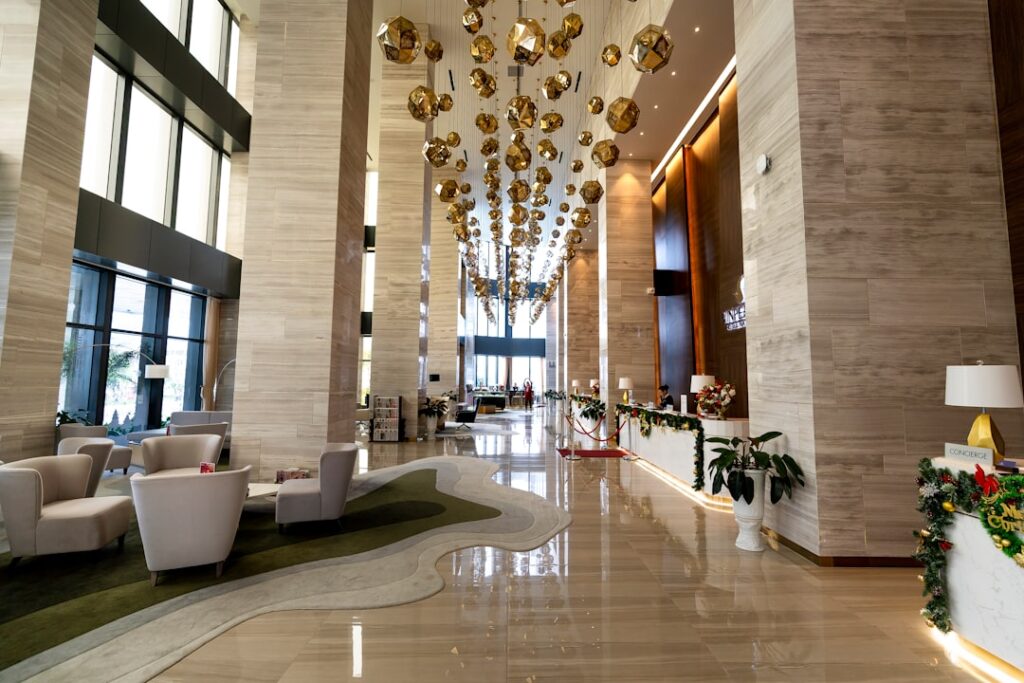
Image: GlobalBeat / 2026
China ends visa rules for 38 nations as hotel occupancy jumps 40%
China scrapped entry visas for travelers from 38 countries from December 2024 through end-2025, triggering a 40% surge in luxury hotel occupancy, the immigration authority announced.
The policy covers visitors from France, Germany, Italy, the Netherlands, Spain, Malaysia, Australia and New Zealand among others and allows stays of up to 30 days without prior documentation.
Hotel chains reported the sharpest occupancy gains since the 2022 reopening. Executives said the exemption removed the final barrier deterring short business trips and high-spending tourists after three years of COVID restrictions.
Marriott International said its mainland luxury properties ran 72% full in January, up from 52% in December. Hilton told investors RevPAR, or revenue per available room, rose 43% year-on-year in tier-one cities. Accor reported a 38% increase in average daily rate to $280.
“We sold out every suite in Shanghai for the first week of February,” Marriott Greater China president Henry Lee told analysts on a Feb 5 call. He said forward bookings for March are 60% above 2023 levels.
Industry data support the chains. STR Global said national luxury occupancy hit 68% in January, eclipsing the 2019 record of 61%. Beijing and Shanghai each surpassed 75%.
The immigration administration said 1.2 million passport holders entered under the waiver in the first 23 days. It had projected 1 million for the entire first quarter.
Finance vice-minister Liao Min said the government expects the policy to add $6 billion in tourism receipts this year. He cited duty-free sales, corporate events and extended hotel stays as primary drivers.
Business travel agencies expanded charter capacity. Ctrip, China’s largest online agency, added 120 corporate shuttle flights between Shanghai and European cities in February. Chief corporate officer Emily Wang said average spend per business traveler rose 25% to $3,400.
Swiss chemical firm Clariant moved a 250-person regional meeting from Singapore to Guangzhou, saving $150,000 in visa fees, regional HR head Petra Koenig said. She said employees who avoided consular queues extended stays for sightseeing, boosting hotel revenue.
Retail rents rose in tandem. Wharf Real Estate, landlord of Shanghai’s Riverside luxury mall, raised asking rents 8% for new leases signed since January. It said footfall from foreign passport holders doubled.
Dubai-based Emirates reinstated second-daily A380 service to Shanghai after load factors topped 90%. Catherine Gagne, the airline’s China sales director, said premium cabins are full three weeks out.
Background
China operated visa-free transit stays of 144 hours in select cities since 2013 but required travelers to hold onward tickets. Full visa waivers were limited to a handful of small nations such as Seychelles and Mauritius until 2023.
The Communist Party promised in 2022 to restore the $127 billion inbound market wiped out by COVID controls. The State Council set a 2025 target of 45 million overseas visitors, still below the 2019 peak of 65 million.
What’s Next
Officials will assess quarterly arrival data before deciding whether to extend the exemption to Japan, South Korea and the United States, foreign ministry spokesman Lin Jian said. Hotel chains have already locked in additional summer inventory, betting the waiver becomes permanent.
Marriott plans 20 new luxury openings in second-tier cities this year, adding 5,000 rooms on top of an existing 120,000. Accor will debut its Raffles and Emblems brands in Chengdu and Shenzhen by September. Both chains said future expansion hinges on sustained visa ease.