Global Sports Crisis: Iran Bans Matches Against ‘Hostile Countries’ Ahead of 2026 World Cup
Iran prohibits sports teams from facing “hostile” nations before 2026 World Cup, escalating geopolitical rift in global sports.
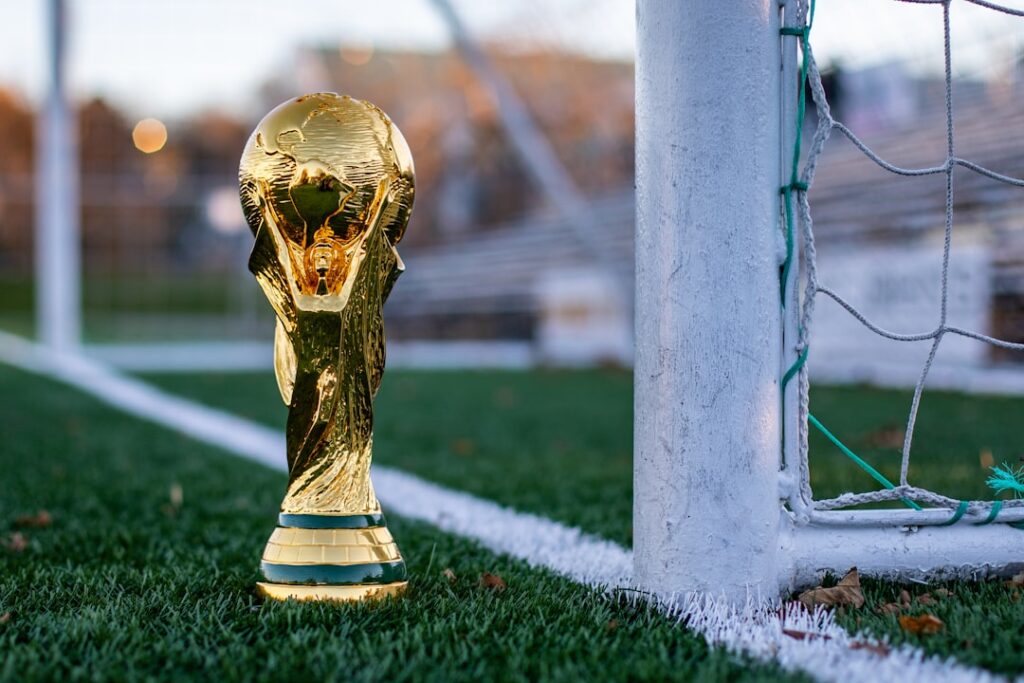
Image: GlobalBeat / 2026
Iran sports ban: Tehran blocks matches against ‘hostile’ nations before 2026 World Cup
Iran banned its sports teams from facing athletes from designated “hostile countries” ahead of the 2026 World Cup, state media reported Tuesday.
The Ministry of Sport and Youth issued the directive barring all competitions with nations Tehran accuses of interference, state broadcaster IRIB reported.
The order threatens Iran’s participation in international qualifiers and tournaments. FIFA rules require member nations to compete without political restrictions.
The ministry directive, published Monday, prohibits “any sporting contact with hostile countries” effective immediately.
The order applies to all Iranian clubs, national teams, and individual athletes. Violators face suspension and loss of state funding.
Tehran did not name specific countries covered by the ban. Iranian officials previously labeled Britain, Israel, and the United States as hostile.
FIFA confirmed it received Iran’s sports federation letter announcing the policy. World soccer’s governing body said it would review the matter.
“FIFA is seeking clarification on the scope and implications of this decision,” a FIFA spokesperson told Reuters.
The Asian Football Confederation said it would coordinate with FIFA on next steps. Iran sits atop its 2026 World Cup qualifying group.
Iran defeated Uzbekistan 1-0 on March 25. Its next qualifier is scheduled for June against an opponent to be determined.
The Islamic Republic has 2 matches remaining in the second round of Asian qualifying. The top 2 teams advance automatically.
The ban could force Iran to forfeit matches if paired against nations its government deems hostile. Forfeits carry 3-0 losses under FIFA rules.
Iranian athletes already faced restrictions. The country barred competitors from facing Israeli opponents in previous tournaments.
Judoka Saeid Mollaei claimed Tehran ordered him to lose in 2019 to avoid facing an Israeli. Iran denied the allegation.
The International Judo Federation suspended Iran in 2019 over the incident. The ban lasted 4 years.
Current FIFA rules prohibit government interference in national federations. The policy could trigger Iran’s suspension from world soccer.
“Any discrimination against a country for political reasons is strictly prohibited,” FIFA Article 4 states.
Nigeria received a FIFA ban in 2014 after government officials dissolved its soccer federation. The suspension lasted 9 days.
Iran’s sports ministry reports directly to President Ebrahim Raisi’s government. The ministry controls funding for all national teams.
The Iranian Football Federation earns $15 million annually from government subsidies. Most funding supports the men’s national team.
Ticket sales and sponsorships provide limited revenue. International sanctions restrict private sector investment in Iranian sports.
Elite Iranian athletes face growing restrictions. The government recently banned women competitors in chess and karate events.
Female athletes must wear hijab during all international competitions. Some have refused to compete rather than comply.
Background
Iran’s tensions with Western nations date to the 1979 Islamic Revolution. The United States and Tehran severed diplomatic relations that year.
The U.S. State Department designated Iran a state sponsor of terrorism in 1984. Britain and other European nations imposed sanctions over Iran’s nuclear program.
Israel and Iran have no diplomatic relations since 1979. Tehran refuses to recognize Israel’s right to exist.
Sports became a political battleground in recent decades. Iranian athletes often withdraw rather than face Israeli opponents.
The International Olympic Committee warned Iran in 2021 about government interference. Tehran backed down rather than risk Olympic suspension.
FIFA has punished political interference previously. Kuwait received a 2-year ban in 2015 after the government dissolved its soccer federation.
Iran faced FIFA suspension threats in 2006 over government meddling. Tehran backed down after negotiations.
What’s Next
FIFA’s disciplinary committee will meet within 30 days to decide on Iran’s case. The body can impose immediate suspension pending investigation.
The 2026 World Cup expands to 48 teams. Asia receives 8 direct qualifying spots plus 1 intercontinental playoff place.
Iran currently leads Group E with 10 points from 4 matches. A FIFA ban would end its qualifying campaign immediately.
Regional rivals Saudi Arabia and the United Arab Emirates could benefit from Iran’s potential disqualification. Both trail Iran in qualifying standings.
The Asian qualifying draw for June matches occurs May 1. Iran’s participation depends on FIFA’s ruling before that date.