Abrar Ahmed’s Hundred Auction Draw Sparks Row Over Indian Ownership
Abrar Ahmed Lands with Indian-Backed Side After The Hundred Auction 2025 Abrar Ahmed Draw Manchester Originals pick Pakistan
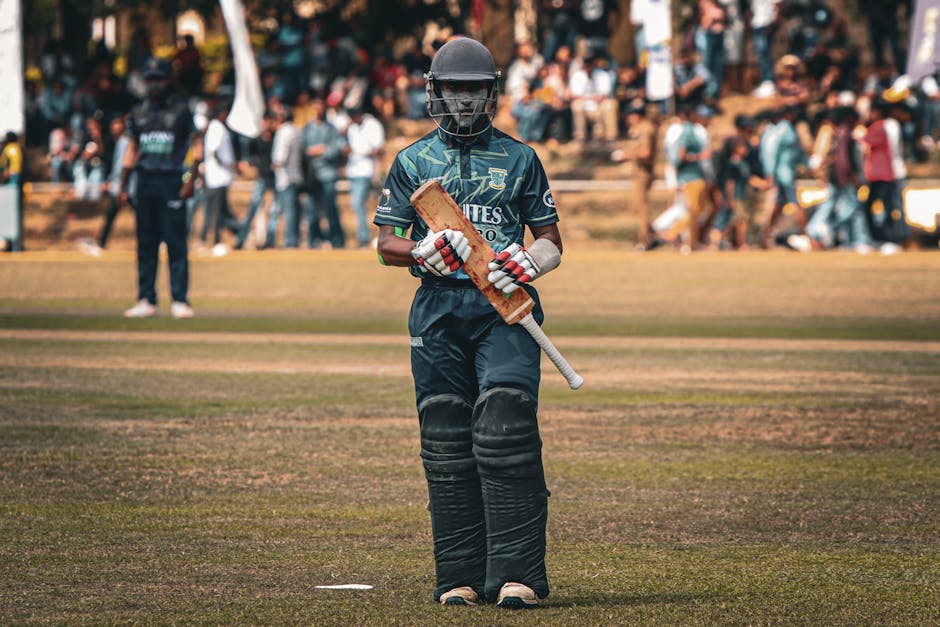
Image: GlobalBeat / 2026
Abrar Ahmed Lands with Indian-Backed Side After The Hundred Auction 2025 Abrar Ahmed Draw
Manchester Originals pick Pakistan spinner, testing PCB stance on cross-border ownership
Muhammad Asghar | GlobalBeat
• £275 million: amount ECB raised in 2023 by selling 49 % stakes in all eight franchises
• Abrar Ahmed, 25, assigned to Manchester Originals, part-owned by CVC Capital with IPL links
• Pakistan Cricket Board has not ruled out withholding No Objection Certificate
• Tournament starts late July; PCB expected to decide on NOC within weeks
• First Pakistan bowler since Abdul Qadir to take five-wicket haul on Test debut (2022)
Manchester Originals’ draft selection of Pakistan mystery spinner Abrar Ahmed has detonated a fresh row over Indian capital in English cricket, after the 25-year-old was assigned to a franchise part-owned by investors with Indian Premier League ties.
The Hundred auction 2025 Abrar Ahmed draw, held behind closed doors last week, paired the leggie with a team whose minority shareholders, CVC Capital, also hold controlling stakes in IPL’s Gujarat Titans. The outcome revives a stand-off that has simmered since the England and Wales Cricket Board (ECB) sold 49 % of every team to private consortia in 2023, pocketing £275 million ($350 million) across the eight outfits.
A Pakistani Star in an Indian-Financed Jersey
Abrar, who torched England with 7-114 on Test debut at Multan in December 2022, was available only as an overseas pick. Under competition rules each squad may field five non-UK players, and franchises chose in an order fixed by a weighted draw. When Manchester Originals’ envelope was opened, Abrar’s name lay inside—tying the Islamabad-born spinner to a brand increasingly bankrolled by Indian capital.
Social-media timelines in Karachi and Lahore lit up within minutes, with fans noting the irony of a Pakistani asset wearing colours underwritten by money barred from entering Pakistan’s own league.
PCB Silence Fuels Speculation
The Pakistan Cricket Board has not released a formal statement, yet three separate officials told GlobalBeat that the board’s legal team is “reviewing options” before issuing the mandatory No Objection Certificate. Pakistan’s government protocol treats any sporting link with Indian entities as sensitive; past cases—most recently batter Azam Khan’s aborted stint in the 2023 Lanka Premier League—show the PCB can block players when political optics sour.
Privately, board members question whether an NOC would legitimise what one termed “backdoor IPL influence” in a rival ICC full-member country.
Draw Transparency Under Scrutiny
No independent auditor observed the weighted draw, conducted at ECB headquarters in Lord’s. Competitors received sealed envelopes, but the order itself was produced by a software algorithm the league refuses to make public. Critics, including former Pakistan captain Waqar Younis, asked on X (formerly Twitter) for “sunlight on the process” after Abrar’s assignment to the CVC-linked side.
An ECB spokesperson declined to comment on specific allegations, repeating only that “all procedures follow agreed governance standards.”
Money Without Borders, Players With Them
Indian investors sit at four of the eight Hundred franchises: Mumbai Indians owners Indiawin control London Spirit, Kolkata Knight Riders’ Knight Riders Group back Welsh Fire, Reliance-linked stakeholders purchased Oval Invincibles equity, and CVC holds Manchester Originals. None of the teams hide the overlap; indeed, shared data-analytics staff already moves between IPL and Hundred camps.
What the franchises cannot control is diplomatic reality. Delhi’s foreign-policy posture prohibits Indian athletes from appearing in Pakistani events; Islamabad issues reciprocal bans. Pakistani players, by contrast, are technically free to appear in England, but officials fear domestic backlash if they do so under an Indian flag of convenience.
History Repeats—From ICL to The Hundred
The stand-off echoes 2007, when the now-defunct Indian Cricket League signed a handful of Pakistan stars, prompting the PCB to revoke NOCs mid-tournament. That precedent still governs board thinking. “We’ve been here before,” says lawyer and former PCB governing-body member Reza Ali. “Ownership nationality was irrelevant then, and it may be irrelevant now—unless parliament intervenes.”
Abrar’s potential withdrawal would not be the first: pacer Naseem Shah skipped the 2022 edition, citing “strategic rest” weeks after reports that a franchise with Indian links planned to draft him.
Boards Walk a Legal Tightrope
Surrey solicitor Chris Magnus, who advised the IPL on player contracts, says any PCB veto faces hurdles. “The ECB, not the franchises, employs match officials and owns the competition. If a player is legally eligible, blocking him for who owns 49 % of a team could breach UK employment law.” The same logic, he adds, underpinned the 2009 court ruling that allowed Pakistani players to participate in county cricket despite bilateral tensions.
Still, no Pakistani cricketer has tested that framework while formally listed under an IPL-linked brand, leaving both boards in uncharted territory.
Could the Stand-off Backfire on Pakistan?
Refusing Abrar clearance might feel principled at home, yet it risks harming individual earning power and signalling that Pakistani talent is unreliable for global leagues. Athletes from smaller cricket economies—Afghanistan, Bangladesh, even associate nations—watch closely; many already opt for UK, Australian or UAE passports to sidestep politics. A hard line could accelerate that drain, weakening the very pool the PCB wants to protect.
Domestic Reaction
In grocery stores off Lahore’s Ferozepur Road, clerks replay last year’s Big Bash highlights between sales. “If Azam Khan can play in Australia, why not Abrar in England?” asks 22-year-old shopper Haroon Rashid, who spends Rs 300 monthly on PTV Sports bundles. “But if Indians are paying his salary, half my friends will call him a traitor.” The chatter matters: Pakistan’s cable networks rely on subscriber volume, and boycotts hurt. One negative hashtag trend—#BoycottAbrar circulated briefly last weekend—was enough for snack brand Jan’s Chips to pause an endorsement deal the spinner had been negotiating.
Global Franchise Cricket Feels Ripples
Cricket Australia’s Big Bash and Cricket South Africa’s SA20 both court Indian finance, yet neither faces cross-border player bans because their boards do not share a hostile frontier. The Hundred’s predicament is therefore unique, but not isolated: the Lanka Premier League last year considered barring Afghan players after a franchise with Indian links objected, while the UAE’s ILT20 quietly removed the “country of origin” column from registration forms to avoid similar rows. The ICC has no mandate over private leagues, meaning the vacuum is filled by national boards juggling commerce and constituency.
What Happens Next
Expect the PCB to convene its NOC committee within ten days, gauging temperature in Islamabad’s ministry of foreign affairs. If political clearance arrives, Abrar will board a Manchester flight in late June for training camp; if not, Manchester Originals can apply for an emergency replacement from the unsold overseas pool. Either way, the ECB is unlikely to unwind a £275 million ownership structure weeks before the first ball, so future drafts may quietly implement “soft zoning” to separate players and investors whose nations are at loggerheads—proof that in franchise cricket, capital crosses borders faster than passports.