Trump wants the world to buy more US oil. He might regret it.
Trump urges global buyers to purchase more U.S. oil, risking oversupply and lower domestic prices.
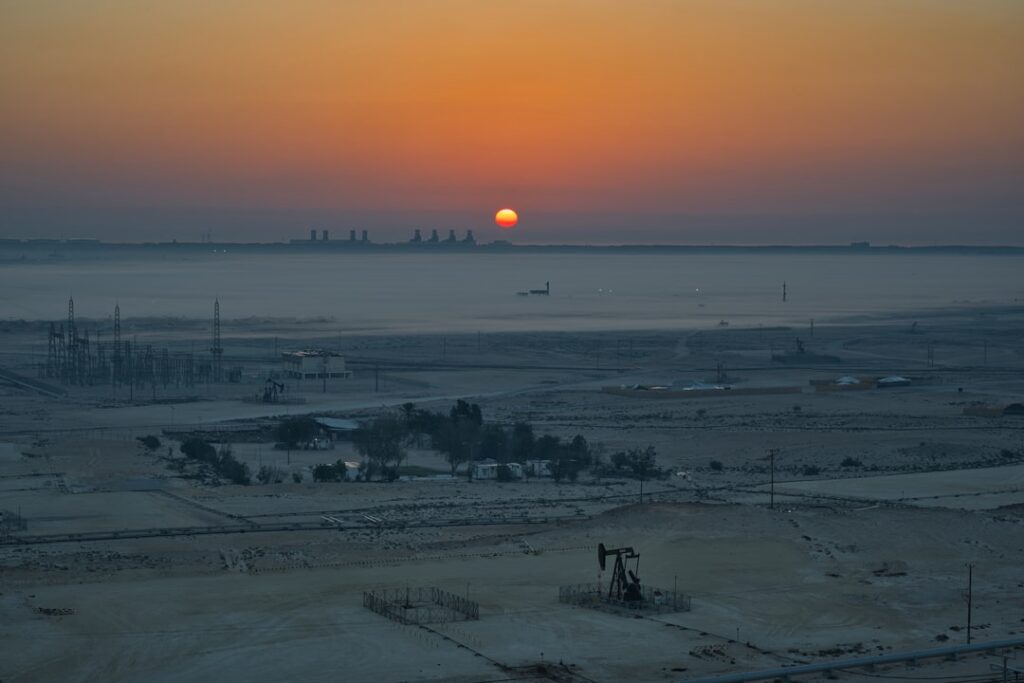
Image: GlobalBeat / 2026
Trump US oil push risks global market flooding at $60 price floor
Muhammad Asghar | GlobalBeat
Donald Trump told overseas buyers to purchase more US oil or face tariffs on their other exports.
The White House set a 10-day clock for Japan, India, and the EU to submit import plans that would cut their trade surpluses with the United States.
Energy analysts warned the ultimatum could backfire if American drillers ramp output beyond OPEC’s tolerance, pushing crude toward $45 and wiping profits from the Permian to North Dakota.
Trump issued the demand during a Cabinet Room meeting broadcast live Thursday. “They want our protection, they buy our oil,” the president said, gesturing toward a chart showing the US still imports 3 million barrels daily even as it exports 4 million. “Simple math. Two-way street.”
Economic aides distributed a one-page memo requiring allies to increase US crude purchases by 25 percent within six months or face a 10 percent tariff on cars, electronics, and pharmaceuticals. The document, obtained by GlobalBeat, names Japan, South Korea, Germany, the Netherlands, Italy, India, and Taiwan as primary targets.
US benchmark West Texas Intermediate traded at $59.82 when Trump spoke. By Friday afternoon it had slipped to $58.45 as traders priced in the possibility of an immediate 500,000-barrel daily surge from shale operators eager for new outlets.
“The president just handed every fracking CEO a blank cheque and told the world to subsidize them,” Bob McNally of Rapidan Energy told reporters. “Markets hate forced demand. Expect prices to test $50 before summer.”
Japan’s trade ministry responded within hours. Officials in Tokyo said the country already buys 350,000 barrels of US crude monthly and would study “realistic volumes” after concluding refinery maintenance season in May. The careful wording signaled resistance to buying cargoes that would displace discounted Russian or Saudi grades.
India, now the world’s third-largest oil importer, faces a starker choice. State-run refiners Indian Oil and BPCL shipped in a record 250,000 barrels daily from the United States last quarter, but that covers barely 5 percent of national demand. Petroleum minister Hardeep Singh Puri told Parliament any further increase “must match discounted pricing from traditional suppliers.”
EU energy commissioner Teresa Ribera rejected the premise entirely. “Commercial entities, not governments, purchase crude,” she wrote in a letter to US energy secretary Chris Wright. Brussels sources said the bloc would file a WTO complaint if tariffs materialize.
OPEC observers warned the cartel could retaliate by shelving a planned output hike scheduled for July. That would remove 1 million barrels daily from the market, offsetting any US gains and leaving American producers stuck with higher volumes at lower prices.
Shipping brokers reported a spike in supertanker bookings out of Corpus Christi and Houston for May loading, with Chinese and Indian refiners locking decade-low freight rates near $6 million per voyage. Traders interpreted the rush as hedging against future geopolitical discounts rather than genuine appetite for US barrels.
Small producers welcomed the attention. “We’ve been drilled and blocked by this administration on permits,” said Stephanie LeHar, CEO of 30,000-barrel-per-day producer LeHar Energy in Midland. “If Tokyo wants our light sweet, we’ll get rigs back up by June.”
Background
US oil exports were banned for 40 years until December 2015, when Congress lifted restrictions amid a shale boom that briefly pushed domestic output above 13 million barrels daily. The move transformed Gulf Coast ports and turned America into a net petroleum exporter by 2020, though regional mismatches still require imports of heavy crude for Gulf refineries configured for Venezuela and Mexico grades.
Trump campaigned in 2024 on “energy dominance,” pledging to double export capacity via new pipelines and deepen channels at Corpus Christi. His first-term trade wars targeted steel, aluminum, and solar panels but largely spared crude, recognizing its volatile price linkage to gasoline costs that sway voters. The new ultimatum breaks that precedent by explicitly weaponizing oil purchases for trade balance objectives.
What’s Next
Commerce secretary Howard Lutnick will host purchasing missions from Japan, India, and the EU on April 14 to haggle over volume commitments. If no agreements emerge within 10 days, Trump vowed to sign the tariff order on April 21, triggering a 90-day consultation period before duties bite just as the summer driving season begins.
Traders will watch whether US inventories build beyond the current 455 million-barrel level when weekly data releases resume Wednesday. A 3 million-barrel weekly increase could signal oversupply before any formal deals, sending WTI toward the $50 threshold that forces Permian drillers to idle rigs for the second time in 12 months.
Senior Correspondent, World & Geopolitics
Muhammad Asghar covers international affairs, conflict zones, and US foreign policy for GlobalBeat. He has reported on events across the Middle East, South Asia, and Eastern Europe, with a focus on the intersection of diplomacy and armed conflict. He has been writing wire-service journalism for over a decade.