Iran War Live Updates: Trump Threatens Infrastructure Attacks; Missiles and Drones Reported Across Persian Gulf
Trump warns U.S. may strike Iranian infrastructure as missiles and drones reported over Persian Gulf, sources tell Reuters.
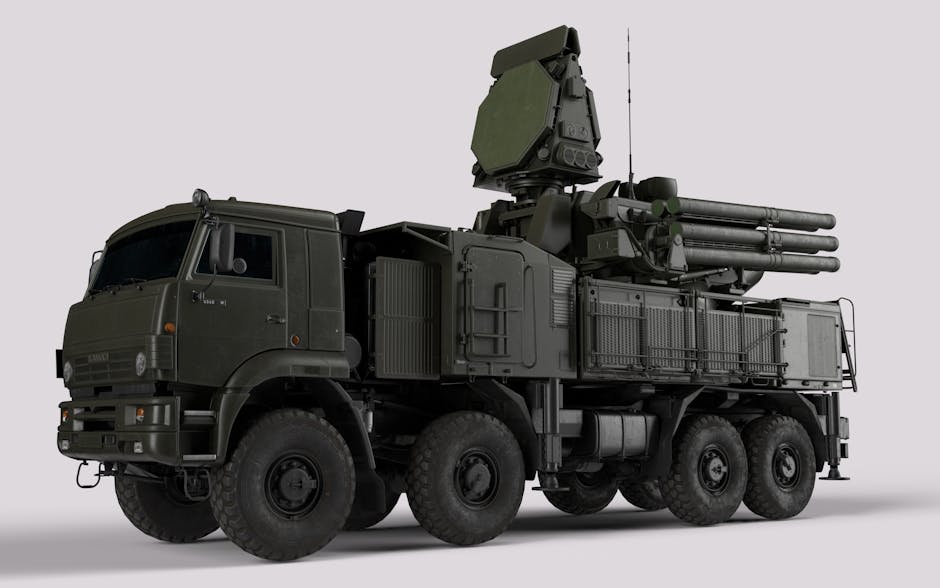
Image: GlobalBeat / 2026
Iran war: Trump orders strikes on oil ports after missile barrage hits Gulf
Muhammad Asghar | GlobalBeat
President Donald Trump threatened to destroy Iranian energy infrastructure Friday night after Tehran fired dozens of missiles and drones across the Persian Gulf, hitting tankers and Saudi oil terminals.
The barrage began at 9:17 p.m. local time when Iranian forces launched what the Pentagon called “a coordinated wave” against commercial shipping and U.S. Navy vessels. Two American destroyers intercepted 18 projectiles, Central Command said, while at least 9 others struck the Saudi port of Ras Tanura and an Emirati fuel depot near Fujairah.
Smoke rose 300 meters above the world’s largest oil export terminal. Saudi officials shut the pipeline feeding Ras Tanura within 17 minutes, cutting 6.5 million barrels of daily capacity. Brent crude surged 14 percent to $119.40 in Asian trading, the biggest jump since the 2022 Ukraine invasion.
The attack came hours after Trump warned Tehran to “back off or lose everything.” Speaking to reporters at the White House, he said U.S. forces would “turn their rigs into scrap metal” if Iran struck again. Defense Secretary Pete Hegseth told CNN the president had signed off on retaliatory options targeting Kharg Island and the Bushehr refinery.
Iran’s Revolutionary Guards claimed responsibility. In a brief statement carried by state TV, the Guards said they were responding to “American aggression” and vowed wider strikes if Washington responded. They gave no casualty figures.
Riyadh and Abu Dhabi both appealed for calm. Saudi Energy Minister Prince Abdulaziz bin Salman called the strikes “an assault on global energy security” but stopped short of blaming Tehran by name. The UAE foreign ministry summoned the Iranian ambassador at 1 a.m. to deliver what it termed “the strongest protest.”
Oil markets flashed red. Ship tracking data showed 27 very-large crude carriers waiting outside Fujairah, unable to load. Insurance premiums for Gulf voyages tripled overnight, according to Lloyd’s List Intelligence. Japan, South Korea and India all activated emergency stockpile release plans.
The Pentagon moved fast. The carrier USS Harry S. Truman, already in the northern Arabian Sea, steamed toward the Strait of Hormuz while an extra squadron of F-16s took off from Qatar’s Al-Udeid base. Hegseth said no American sailors were wounded but confirmed “minor damage” to the destroyer USS Higgins from shrapnel.
European capitals braced for spillover. British Foreign Secretary David Lammy condemned “Iran’s reckless escalation” and urged both sides to show restraint. France activated a crisis cell for its 6,000 citizens living in Gulf monarchies. Germany advised all commercial airlines to avoid Iranian airspace.
Tehran’s streets stayed quiet. State television broadcast heroic music over grainy footage of missile launches but made no mention of Trump infrastructure threats. The rial plunged to 680,000 against the dollar on black-market apps, a record low.
Gulf stock markets tumbled. Dubai’s main index fell 7.4 percent at the open, wiping $26 billion off share values. Saudi Aramco shares slid 8 percent before regulators halted trading. Cryptocurrencies also sank, with bitcoin dropping 9 percent as investors dumped risky assets.
Background
Trump returned to the White House in January pledging a “maximum pressure 2.0” campaign after the 2015 nuclear deal collapsed in 2018. His administration has revived sweeping sanctions that have cut Iranian oil exports to roughly 900,000 barrels per day, down from 2.5 million before Washington quit the accord.
The two countries have danced on the brink before. In 2020 a U.S. drone killed Iranian commander Qasem Soleimani at Baghdad airport; Tehran responded by firing missiles at American troops in Iraq, causing traumatic brain injuries to dozens. Both sides then stepped back, fearing open war.
Tensions revived last month when Iran enriched uranium to 84 percent, just below weapons grade. The U.N.’s nuclear watchdog reported inspectors had been barred from key sites. Israel, which has staged repeated sabotage attacks inside Iran, warned that the Islamic Republic was weeks away from enough fissile material for a bomb.
What’s Next
The U.S. Navy said Saturday morning that a destroyer squadron would escort all flagged tankers through the Strait of Hormuz, a choke-point that handles one fifth of daily oil consumption. Hegseth added that “further Iranian aggression” would meet a “kinetic response within hours, not days.” Tehran’s foreign ministry warned that any attack on its soil would trigger strikes on American bases “from Qatar to Kuwait.”
Senior Correspondent, World & Geopolitics
Muhammad Asghar covers international affairs, conflict zones, and US foreign policy for GlobalBeat. He has reported on events across the Middle East, South Asia, and Eastern Europe, with a focus on the intersection of diplomacy and armed conflict. He has been writing wire-service journalism for over a decade.