As Trump Swings on Iran, Congress Is Absent and G.O.P. Leaders Mum
Congress silent as Trump escalates Iran actions without legislative input.
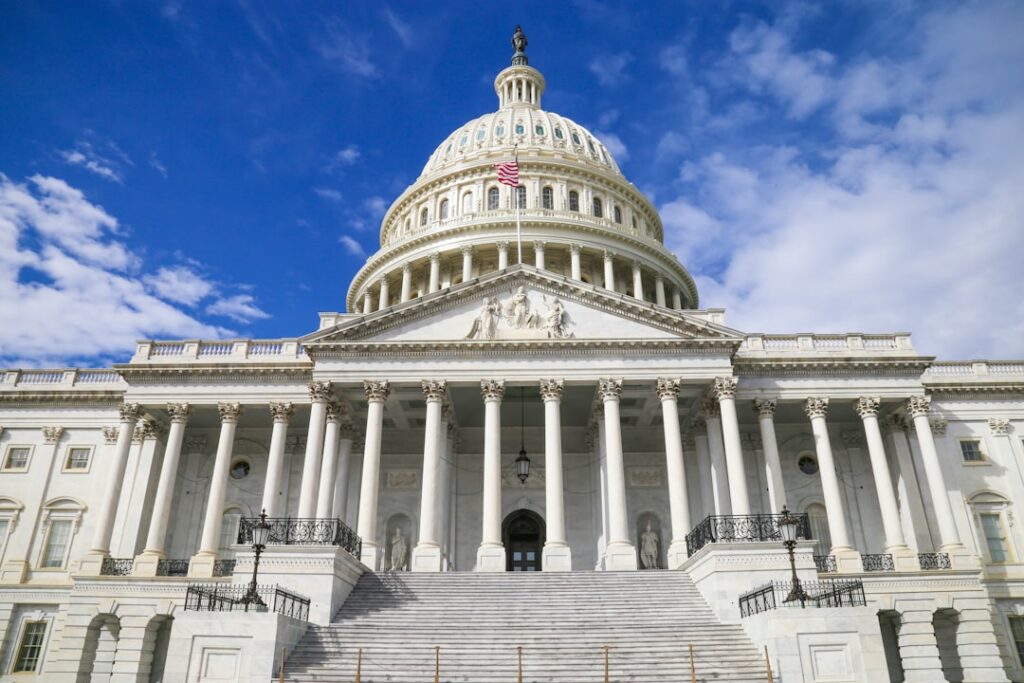
Image: GlobalBeat / 2026
Trump Iran policy: Congress silent as president weighs military strikes
Muhammad Asghar | GlobalBeat
President Donald Trump is considering military action against Iran’s nuclear program while Republican congressional leaders stay silent and Democrats demand a vote on war authorization.
The president has not formally briefed Congress on possible strikes against Iranian facilities, according to 6 senators from both parties who requested classified briefings this week.
Trump’s team believes Iran is weeks away from weapons-grade uranium enrichment, a timeline that could force a decision before lawmakers return from Easter recess. The White House has circulated draft strike options to Pentagon planners but not to Capitol Hill, congressional aides said.
Senate Majority Leader John Thune told reporters Tuesday he had “no information” about potential military action when asked about Iran. Speaker Mike Johnson’s office did not respond to 3 requests for comment on whether the House would vote on war authorization.
Senator Lindsey Graham, normally a hawkish voice on Iran, said he had not discussed military options with Trump in recent weeks. “The president has the authority to defend the country,” Graham told reporters outside the Senate chamber. “I trust his judgment.”
Democrats see constitutional violations brewing. Senator Tim Kaine of Virginia, who has forced votes on war powers before, said Trump risks repeating mistakes of 2003 Iraq invasion. “No president should launch strikes against Iran without congressional approval,” Kaine said. “We’ve seen this movie before.”
The silence from top Republicans marks a dramatic shift from 2019, when GOP senators united behind Trump after he ordered the killing of Iranian general Qasem Soleimani. Then-Senate Majority Leader Mitch McConnell praised the drone strike as “decisive action.” McConnell has made no public statements on Iran since January.
Trump’s Iran deliberations come as Israeli officials press Washington for coordinated action. Prime Minister Benjamin Netanyahu told his cabinet Sunday that Israel would “act alone if necessary” against Iranian nuclear sites, according to Israeli television reports. The comments prompted emergency meetings at both the White House and Pentagon.
Defense officials worry about mission creep. One Defense Department official, speaking on condition of anonymity, said strike planners have expanded target lists beyond nuclear facilities to include missile batteries and air defenses. “Every briefing adds more targets,” the official said. “That’s how wars start.”
Iran has noticed the American deliberations. Foreign Minister Abbas Araghchi warned Tuesday that any attack on Iranian territory would trigger regional war. “The United States will pay a heavy price if it makes this mistake,” Araghchi told state television in Tehran.
Regional allies are nervous. The United Arab Emirates and Saudi Arabia have both urged restraint through diplomatic channels, according to 3 Arab officials familiar with the messages. Both countries fear Iranian retaliation against their oil facilities, which were targeted in 2019 attacks Riyadh and Washington blamed on Tehran.
Oil markets are pricing in conflict risk. Brent crude futures jumped 4.2% on Tuesday, reaching $84 per barrel, after Reuters reported Pentagon planners had briefed Trump on strike options. Energy analysts say prices could spike above $100 if fighting erupts in the Persian Gulf.
Background
The United States and Iran have been enemies since the 1979 Islamic Revolution overthrew the U.S.-backed shah. American hostages were held for 444 days at the U.S. Embassy in Tehran. Relations worsened after President George W. Bush included Iran in his 2002 “axis of evil” speech and throughout Iran’s proxy conflicts with U.S. allies in the Middle East.
Trump withdrew from the 2015 Iran nuclear deal in 2018, calling it “the worst deal ever negotiated.” The agreement had limited Iran’s nuclear program in exchange for sanctions relief. After withdrawal, Trump imposed “maximum pressure” sanctions that crippled Iran’s economy but failed to force new negotiations. Iran began exceeding nuclear deal limits in 2019.
What’s Next
Congress returns from Easter recess on April 21, giving opponents of military action a narrow window to force debate on war authorization. Senator Bernie Sanders plans to invoke the War Powers Act if Trump orders strikes without approval, a procedural move that guarantees a Senate vote within days.
The intelligence community will update Congress on Iran’s nuclear timeline in closed briefings scheduled for next week. Those assessments could determine whether Democrats unite behind efforts to block military action or fracture as they did during previous Middle East conflicts.
Senior Correspondent, World & Geopolitics
Muhammad Asghar covers international affairs, conflict zones, and US foreign policy for GlobalBeat. He has reported on events across the Middle East, South Asia, and Eastern Europe, with a focus on the intersection of diplomacy and armed conflict. He has been writing wire-service journalism for over a decade.