Trump polled advisers about replacing Tulsi Gabbard as intelligence chief | US politics
Trump asked advisers whether to replace Director of National Intelligence Tulsi Gabbard, sources tell The Guardian.
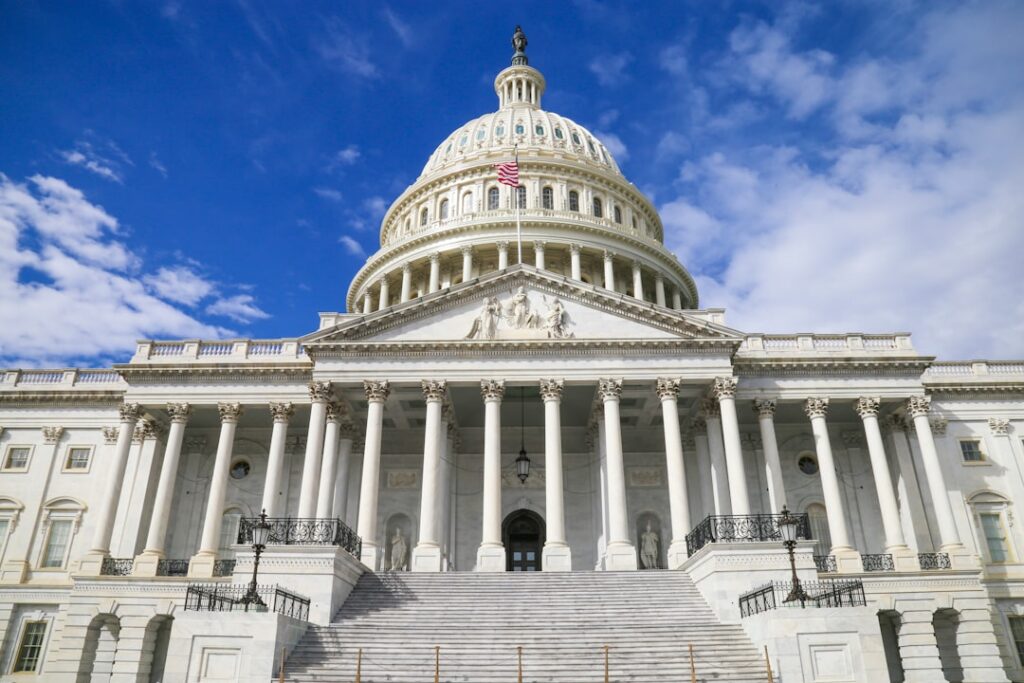
Image: GlobalBeat / 2026
**Tulsi Gabbard replacement: Trump floated firing intel chief over Syria briefings**
**Muhammad Asghar | GlobalBeat**
President Donald Trump privately polled senior advisers about replacing Director of National Intelligence Tulsi Gabbard after she resisted pressure to endorse his preferred assessments on Syria and Iran, according to two White House officials familiar with the discussions.
The president raised the prospect of ousting Gabbard during Oval Office meetings in February, following repeated clashes over intelligence community judgments that contradicted administration claims about Iranian military activity and Syrian government capabilities, the officials told reporters.
Gabbard, confirmed last May as the first female intelligence chief in US history, has pushed back against efforts to shape analyses on Middle East threats, angering Trump allies who want intelligence to align more closely with the president’s public statements. Her resistance sparked internal debate about loyalty within the $85 billion intelligence apparatus she oversees.
“She’s not giving us the stories we need,” Trump told one adviser during a February 18 meeting about Iran policy, according to a person present. The president specifically complained that intelligence briefings undermined his argument that Tehran was preparing imminent attacks on US forces, the source added.
White House Chief of Staff Susie Wiles cautioned against removing Gabbard so soon after her confirmation, warning it would trigger difficult Senate hearings and raise questions about Trump’s national security judgment, according to three administration officials. The president ultimately dropped the matter but remains frustrated with intelligence assessments that conflict with his foreign policy messaging, they said.
The discussions reflect growing tension between Trump and intelligence officials over analytical independence at agencies including the CIA, NSA and Defense Intelligence Agency. Similar conflicts marked Trump’s first term, when he publicly rejected CIA findings on Russian election interference and Saudi Arabia’s role in journalist Jamal Khashoggi’s murder.
Gabbard’s predecessor, former Senator Marco Rubio, resigned in December after clashes with Trump over Ukraine intelligence sharing. The president had pressed intelligence officials to support his claims that Kyiv was developing biological weapons, which analysts found no evidence to substantiate, according to former officials.
**Intelligence clashes mounted over Syria strikes**
The rift deepened in January when Gabbard’s office produced an assessment finding Syrian President Bashar al-Assad’s military had degraded significantly since 2019, contradicting Trump’s claims that Damascus remained a major regional threat requiring sustained US military presence, according to officials who read the classified report.
Trump erupted during a January 30 briefing when analysts presented satellite imagery showing Syrian air defenses operating at 40 percent capacity, far below levels claimed by Pentagon officials advocating for continued operations against Iranian-backed forces there, two attendees confirmed.
“He started asking why we spend $50 billion on intelligence when they can’t see what’s obvious to everyone,” said one official, describing Trump’s reaction. The president suggested bringing in Fox News host Tucker Carlson or former Congressman Devin Nunes to replace Gabbard, prompting nervous laughter from aides.
Vice President Elise Stefanik defended Gabbard during the meeting, arguing that removing another intelligence chief would weaken US credibility with allies already questioning Trump’s erratic national security decisions, according to two people briefed on her comments. Stefanik’s intervention helped defuse the situation temporarily.
**Background**
Trump’s turbulent relationship with intelligence agencies dates to his 2016 campaign, when he dismissed CIA findings that Russia interfered to help his election. As president, he routinely ignored President’s Daily Brief materials, preferring oral summaries from loyalists, and publicly sided with Vladimir Putin over his own analysts at a 2018 Helsinki summit.
The intelligence community’s 2022 estimate that Russia would likely invade Ukraine proved accurate, but Trump continued casting doubt on their analytical methods after leaving office. During his 2024 campaign, he promised to “clean house” at agencies he accused of pursuing political vendettas against him.
Gabbard’s appointment surprised Washington given her past criticism of US intelligence operations and skepticism about foreign interventions. A former Democratic congresswoman from Hawaii who endorsed Trump’s 2024 campaign after leaving office, she gained notoriety for meeting with Assad in 2017 and questioning US claims about Syrian chemical weapons attacks.
**What’s Next**
The White House faces deadlines on several intelligence disputes in coming weeks, including a legally required threat assessment on global terrorism due to Congress by April 15 and review of surveillance authorities expiring in December. How Gabbard handles these requirements while resisting political pressure could determine whether Trump revives replacement discussions, officials said.
Trump’s growing impatience with intelligence independence threatens broader national security decision-making as administration officials weigh potential military action against Iranian targets following recent attacks on shipping in the Red Sea, according to Pentagon officials. Whether Gabbard remains in her position through these deliberations remains uncertain.
The intelligence chief retains support among Senate Republicans who confirmed her unanimously, complicating any dismissal attempt. But Trump’s history of firing officials who cross him suggests continued clashes could end Gabbard’s tenure before year’s end, particularly if intelligence assessments contradict administration plans for military escalation in the Middle East.
Senior Correspondent, World & Geopolitics
Muhammad Asghar covers international affairs, conflict zones, and US foreign policy for GlobalBeat. He has reported on events across the Middle East, South Asia, and Eastern Europe, with a focus on the intersection of diplomacy and armed conflict. He has been writing wire-service journalism for over a decade.