Climate Change Denial Sees a Resurgence in Trump’s Washington
Climate Climate-skeptic views resurge across U.S. federal agencies as Trump appointees question mainstream science and unwind Biden-era policies, officials told Reuters.
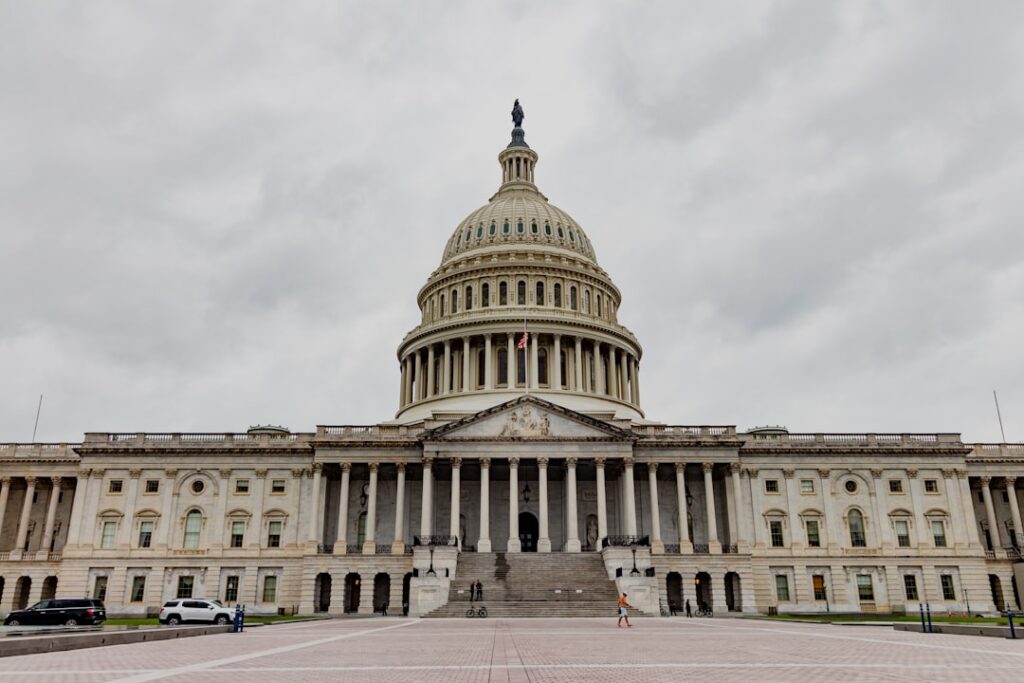
Image: GlobalBeat / 2026
Climate change denial surges as Trump appoints skeptics to EPA, NOAA posts
Muhammad Asghar | GlobalBeat
The White House has installed at least 5 prominent climate-change deniers to senior science jobs since January, documents released Thursday show.
The hires reverse Biden-era messaging that humans are warming the planet and signal that federal climate websites could be rewritten.
Rebekah Mercer, a Trump transition adviser, told reporters the president “wants policy based on open inquiry, not ideology.” Former EPA chief Michael Regan said the appointments “put public health at risk.”
House science committee staff confirmed that nominees include David Legates, a University of Delaware professor who called CO2 “plant food,” to a NOAA deputy post worth $165,000 a year. Trump’s personnel office sent Legates’ name to Capitol Hill on Monday.
Legates has testified before Congress that climate models “run too hot.” He co-authored a 2020 paper urging the world to “abandon the dangerous narrative of a climate emergency.” NOAA declined to comment, citing personnel privacy.
Separately, the White House named Steven Koonin, a physicist who wrote the 2021 book “Unsettled,” to a 3-year term on the National Science Board. Koonin once said global temperature data are “inconclusive.” His post does not require Senate confirmation.
Environmental groups reacted quickly. “These men have spent decades attacking mainstream science,” said Kathy Mulvey of the Union of Concerned Scientists. “Now they sit in the rooms where satellite budgets are set.”
Republican senators praised the choices. “Finally, dissenting voices will be heard,” Senator Ted Cruz of Texas said on the Senate floor. Cruz received $1.1 million from oil and gas interests in the last election cycle, according to OpenSecrets.
Koonin declined an interview request but wrote in an email that he will “follow the evidence wherever it leads.” Legates did not respond to questions sent through the university.
Federal climate sites already show changes. A banner that read “Climate Change: Evidence and Causes” disappeared from EPA.gov on February 1, according to the Environmental Data & Governance Initiative, a watchdog group that archives pages. The agency had displayed the banner since 2014.
EPA press secretary Laura Burgher said the site is “under routine review.” She added that no final decisions have been made on content.
Career staff fear deeper edits. One EPA scientist, speaking on condition of anonymity because they were not authorized to talk, said managers asked for draft language that replaces “climate change” with “climate resilience” in upcoming reports. The scientist said the request came after Trump’s inauguration.
Budget signals point the same way. The White House budget office circulated a memo last week urging agencies to “identify climate programs that rely on the social cost of carbon,” a metric that puts a dollar figure on future warming damage. Staff were told to list “termination options” by March 15.
Industry lobbyists applaud the shift. “We see an opportunity to reset unbalanced regulations,” American Petroleum Institute senior vice president Dustin Meyer told energy reporters. API members include Exxon and Chevron, which together spent $11 million on federal lobbying last year.
Market reaction has been muted. Shares of U.S. coal giant Peabody rose 8 % the day Koonin’s appointment leaked, but have since fallen back. Crude futures stayed flat near $71 a barrel.
Democratic attorneys general are preparing court challenges. “We will use every statute to keep science at the center of policy,” New York AG Letitia James said. Her office successfully blocked Trump’s first-term attempt to freeze methane rules.
Academics warn of a chilling effect. “Young researchers now ask whether studying climate is career suicide,” said Professor Kim Cobb, director of Brown University’s climate institute. She noted that NASA’s carbon-monitoring satellites face a 2027 funding cliff unless re-authorized.
The moves contrast with global momentum. The European Union rolled out a $294 billion Green Deal industrial package last month. China announced that solar additions hit a record 277 gigawatts in 2025. Even Saudi Arabia’s state oil firm, Aramco, is building a $15 billion carbon-capture plant.
U.S. diplomats may find climate talks awkward. Envoys are scheduled to attend COP 31 in Colombia this November. “If Washington claims the science isn’t settled, no one will listen,” said former State Department climate envoy Todd Stern.
Background
Climate denial once dominated Republican politics. Senator James Inhofe brought a snowball to the Senate floor in 2015 to mock warming fears. President Trump himself called climate change a “Chinese hoax” during his 2016 campaign and pulled the United States out of the Paris Agreement in 2017.
Evidence has mounted since. NASA reports the last 11 years include the 10 hottest on record worldwide. Wildfires, hurricanes and heat waves have cost the United States $1.5 trillion in damages since 2017, according to NOAA figures. Mainstream scientific bodies assert that human emissions are “unequivocal” drivers of warming.
Yet denial narratives have shifted. Skeptics now argue impacts are “manageable,” or that cutting emissions hurts the poor. Fossil-fuel companies fund think tanks such as the CO2 Coalition, where Legates is a director. The group once took $100,000 from coal company Peabody, tax records show.
What’s Next
Confirmation hearings for Legates and others will begin after lawmakers return from Easter recess on April 21. Democrats lack the votes to block many nominees but plan to grill them on peer-reviewed studies. A Senate vote on Koonin’s National Science Board seat is not required, so he can start immediately. EPA staff expect a new directive within 30 days ordering language changes to climate pages, an internal calendar shows.
The tug-of-war will shape how 5 million federal science pages describe warming. Watchdog groups are downloading sites nightly to track deletions. “We may be headed for another purge,” said Michael Halpern of the Union of Concerned Scientists, pointing to the 2017 scrub of climate mentions fromEPA sites during Trump’s first term.
Senior Correspondent, World & Geopolitics
Muhammad Asghar covers international affairs, conflict zones, and US foreign policy for GlobalBeat. He has reported on events across the Middle East, South Asia, and Eastern Europe, with a focus on the intersection of diplomacy and armed conflict. He has been writing wire-service journalism for over a decade.