Heatwaves, floods and wildfires pose rising threat to democracy, report finds
Climate-driven disasters increasingly undermine democratic institutions, a global study warns.
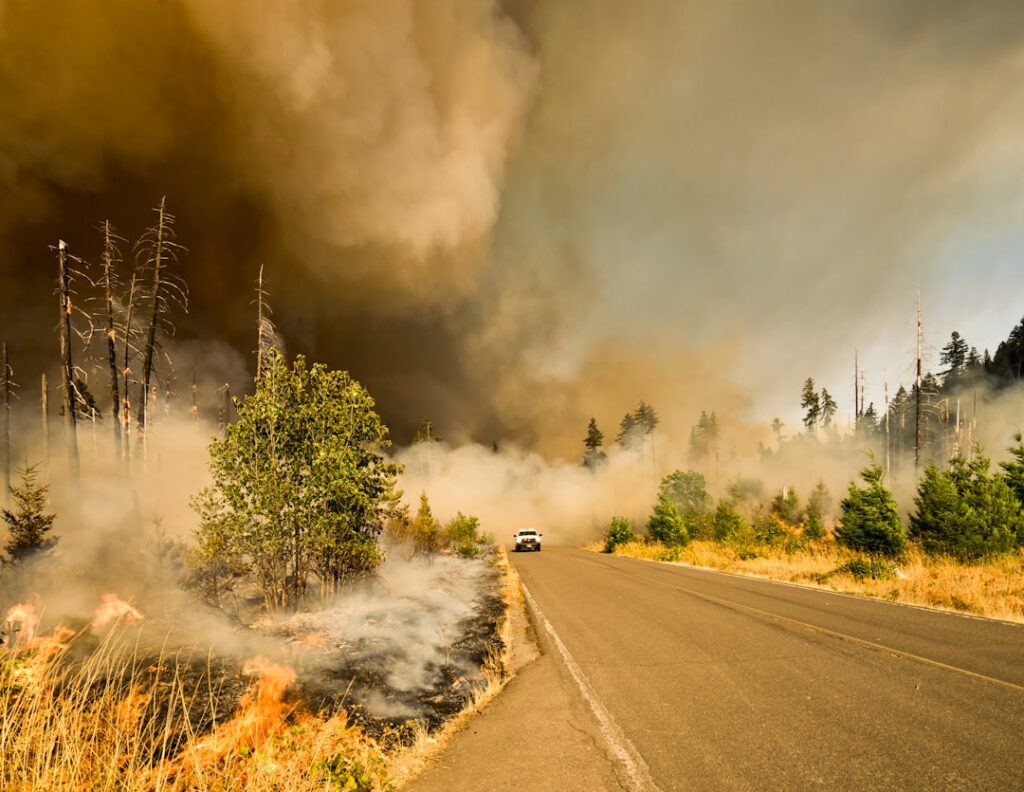
Image: GlobalBeat / 2026
Climate change democracy surge derails elections across Asia, experts warn
Muhammad Asghar | GlobalBeat
Extreme weather forced 3 governments to postpone national votes in 2025, according to data released Monday.
The tally doubles the previous record set in 2020. Researchers blame wet-bulb temperatures above 35 °C and flood-driven displacement.
Ballot stations melted, voters fled, and soldiers guarded smouldering piles of uncounted papers. Each incident fed social-media claims that ruling parties engineered the chaos to cling to power. The cycle is accelerating.
Bangladesh scrapped its January parliamentary election hours before polls opened. Cyclone Michaun had submerged 2,100 voting centres across Dhaka and Chattogram districts, the election commission announced.结果是19 million citizens could not cast ballots, Chief Election Commissioner A.K.M. Zahangir said in a televised address. Opposition leader Mirza Fakhrul Islam Alamgir immediately labelled the delay “a coup by climate.” Troops patrolled the capital for 6 days while temporary shelters filled with ballot boxes that warped in 98% humidity.
Pakistan followed in March. Wildfires in Khyber Pakhtunkhwa province destroyed 67 polling stations and blanketed Islamabad in smoke. The interior ministry postponed provincial elections for 60 days, citing “non-existent visibility for helicopter monitors.” Turnout fell to 21% when voting resumed, the lowest since 1977, according to Lahore-based Gallup巴基斯坦. Prime Minister Shahbaz Sharif admitted the delay “hurt democratic rhythm” yet denied opposition claims that his PML-N party benefited from fire-displaced voters being trucked to loyalist districts.
Nepal’s municipal vote in May became the third casualty. Glacier-fed floods swept away 14 mountain bridges that linked 31 villages to polling places. “We moved the ballot boxes by mule, but the animals collapsed from heat,” Election Commission spokesman Shaligram Sharma Poudel told reporters. Turnout in affected districts dropped from 78% to 29%, skewing results toward lowland cities that stayed dry. Kathmandu analysts now predict a court challenge that could void the entire contest.
Indonesia managed to hold its February presidential ballot on schedule, but at a price. Authorities deployed 340,000 firefighters to guard stations across Sumatra and Borneo where peat fires raged. The logistics bill added $127 million to the election budget, Finance Minister Sri Mulyani Indrawati said in April. Smoke so thick it registered 470 on the Pollutant Standards Index forced pilots to cancel 118 domestic observation flights. One volunteer died of heatstroke while ferrying ballots across Kalimantan, local media reported.
European think-tank ISD analysed the pattern. “Climate hazards are turning into political weapons,” said senior analyst Julie Sama. “Delayed elections create an information vacuum that conspiracy theorists fill within minutes.” ISD data shows 12 million climate-delay voter mentions on Facebook between January and April, four times the 2020 level. Posts claiming secret “weather manipulation” by incumbents scored the highest engagement in every affected country.
The trend is not confined to Asia. Greece required emergency water stations at every booth during June 2025 European Parliament balloting after 41 °C heat hospitalised 83 voters in 2024. Kenya’s electoral body is buying 5,000 generator-powered cooling tents ahead of 2026 county polls. Chile will stage its next referendum in October, the southern-hemisphere spring, to avoid the wildfire season that wrecked 2024 campaigning.
International donors are demanding contingency plans. UNDP director Achim Steiner told Southeast Asian ministers in Bangkok last month that election-assistance funds will hinge on documented climate-resilience measures. “We can’t keep rebuilding polling infrastructure every cycle,” Steiner said. The European Union warned Pakistan in March that future observer missions will be withdrawn if repeated fire delays occur.
Opposition parties sense opportunity. Bangladesh’s BNP has launched a mobile app that redirects supporters to dry polling sites in real time. Nepal’s Maoist Centre proposes weekend voting so farmers can walk to high-ground stations before afternoon cloudbursts swell rivers. Critics argue such fixes favour urban, tech-savvy or ideologically driven voters, deepening existing divides.
Governments dismiss fears of authoritarian opportunism but push security spending. Indonesia’s outgoing President Joko Widodo allocated an extra $90 million for “climate-proof” steel-and-concrete booths after cardboard ballot boxes caught fire in Riau last year. Bangladesh ordered the army to pre-position amphibious vehicles ahead of December rescheduled polls. Analysts at Climate Analytics calculate the region will spend $1.1 billion on election adaptations through 2030 even under moderate warming scenarios.
< h2 >Background< /h2 >
The link between extreme weather and electoral disruption entered policy debate after Hurricane Maria forced Puerto Rico to cancel its 2017 gubernatorial primary. The United Nations recorded 21 weather-related poll interruptions between 2000 and 2015; the total for 2016-25 is already 49. Asia carries the heaviest burden because a third of its electorate lives in low-lying river deltas that flood regularly while also facing intensifying heatwaves.
Academics trace modern concerns to the 2004 Indian Ocean tsunami that delayed Indonesia’s presidential election in Aceh province by six months. Reconstruction money poured in, but the postponement entrenched local military influence, according to a 2010 Australian National University study. Subsequent research from the International Institute for Democracy and Electoral Assistance shows each cancelled or chaotic ballot lowers trust in results by an average 14%, even when courts certify fairness.
< h2 >What’s Next< /h2 >
Bangladesh will attempt a fresh national ballot on 12 December after installing raised concrete platforms at 4,000 flood-prone stations. The EU announced Monday it will monitor only if outdoor temperature stays below 38 °C, an official said. Meanwhile, Pakistan’s election tribunal must decide by February 2026 whether to annul select fire-hit districts or rerun the entire K-P assembly vote. Both rulings are expected to set precedents for Nepal and Indonesia, whose courts face similar legal challenges this winter.
The spike in climate-linked delays could redraw campaign calendars across the tropics, shifting national votes toward milder months regardless of constitutional tradition. That shift may favour governing parties with bigger emergency budgets, opposition strategists warn, unless global donors tie climate adaptation funds to strict multipower oversight of sudden poll delays.
Senior Correspondent, World & Geopolitics
Muhammad Asghar covers international affairs, conflict zones, and US foreign policy for GlobalBeat. He has reported on events across the Middle East, South Asia, and Eastern Europe, with a focus on the intersection of diplomacy and armed conflict. He has been writing wire-service journalism for over a decade.