“Sport: Building Bridges, Breaking Barriers” unites the global sports community on the 2026 International Day of Sport for Development and Peace
Global sports mark 2026 International Day of Sport for Development and Peace under “Sport: Building Bridges, Breaking Barriers.”
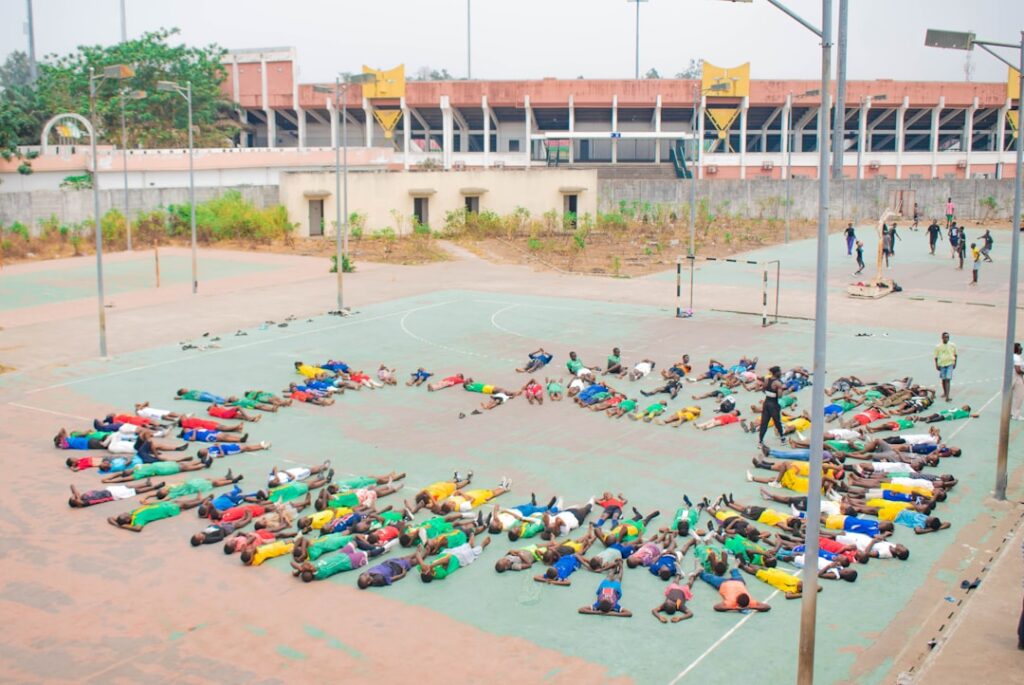
Image: GlobalBeat / 2026
Sport for Peace unites 50 nations in Geneva as 2026 International Day spotlights refugee athletics
The International Handball Federation launched “Sport: Building Bridges, Breaking Barriers” on Monday as 50 nations gathered in Geneva to mark the 2026 International Day of Sport for Development and Peace. The ceremony at United Nations headquarters drew Olympic champions, refugee athletes and development officials who pledged to expand sports programs in conflict zones.
The campaign targets 1 million displaced youth through new funding streams announced by Switzerland and Qatar, doubling previous commitments to sport-for-development initiatives. The money flows through existing UN programs in Turkey, Kenya and Colombia, three countries hosting large refugee populations.
The 2026 observance comes as wars in Ukraine, Sudan and Gaza have displaced 120 million people worldwide, according to UNHCR figures released last week. Sports organizations report unprecedented demand for equipment, coaches and safe playing spaces in camps from Cox’s Bazar to the Darien Gap. The IHF initiative responds to that gap by pairing national federations with refugee committees to build permanent facilities rather than temporary installations.
“Every child deserves a place to play,” IHF president Hassan Moustafa told reporters in Geneva. He stood beside Syrian swimmer Yusra Mardini, who competed as a refugee athlete at the 2016 and 2020 Olympics. Mardini now runs swimming programs for displaced youth in Greece and Egypt, work the new funding will expand to Jordan and Lebanon.
The campaign launches with pilot projects in 8 countries before scaling globally. Each site pairs refugee and host-community youth in mixed teams, addressing tensions that flare when resources appear to favor newcomers. Coaches receive trauma-informed training through a partnership with the International Red Cross, preparing them to work with children who have experienced violence and displacement.
Switzerland pledged $15 million over three years, doubling its previous sport-for-peace commitment. Foreign Minister Ignazio Cassis said the money builds on Swiss programs that brought Syrian and Iraqi refugees together with local youth for football tournaments near Zurich. “Sport speaks every language,” Cassis said during the ceremony. His government will prioritize projects along migration routes through the Balkans and Mediterranean.
Qatar matched the Swiss contribution through its development fund, targeting basketball and handball programs in East Africa. The Gulf nation already sponsors sport-for-development work in Sudan’s refugee camps, where handball has become popular among displaced women. Qatar’s ambassador to the UN, Alya Ahmed Saif Al-Thani, said the funding reflects “sport’s unique ability to heal wounds that politics cannot reach.”
Refugee athletes took center stage throughout the daylong event. South Sudanese marathoner Guor Marial, who competed under the Olympic flag in 2012, described running barefoot through Egypt’s desert after fleeing civil war. His story illustrated the campaign’s focus on creating pathways from camp sports to elite competition. The IHF announced new scholarships for refugee athletes to train at European facilities, building on similar programs in athletics and swimming.
The initiative addresses practical barriers that keep displaced youth from participating. Most camps lack basic equipment like balls, nets and shoes. Security concerns prevent girls from traveling to competitions outside camp boundaries. The new funding purchases equipment locally, supporting host economies while ensuring supplies meet cultural requirements. Separate changing facilities and female coaches address concerns from conservative families who might otherwise bar daughters from participation.
Development experts praised the focus on sustainability rather than one-off events. “We’ve seen too many donor-funded tournaments that disappear when cameras leave,” said Tegla Loroupe, the Kenyan marathon legend who runs a refugee athletes’ foundation. Her program in Kakuma camp has produced Olympic competitors while promoting peace between Sudanese and Somali refugees. The IHF model adopts similar approaches, requiring partner organizations to commit five-year plans with measurable outcomes.
The campaign faces significant obstacles in conflict zones where simply reaching playing fields proves dangerous. The UN cancelled planned events in eastern Democratic Republic of Congo after renewed fighting near Goma. Programs in Gaza operate only sporadically amid ongoing hostilities. Organizers acknowledge these limits while arguing that even brief sporting activities provide crucial respite for children under stress.
Background
The UN designated April 6 as the International Day of Sport for Development and Peace in 2013, recognizing sport’s role in achieving development goals. Previous observances focused on broad themes like inclusion and health, but the 2026 edition represents the most ambitious funding commitment to date. The IHF campaign builds on decades of smaller initiatives that used sport to bridge divides in Northern Ireland, South Africa and the Balkans.
Refugee participation in elite sport has grown since the IOC created the first Refugee Olympic Team for Rio 2016. That squad of 10 athletes expanded to 29 for Tokyo 2020, with similar teams competing at Paralympics and Youth Olympics. But development experts note that for every refugee who reaches elite levels, thousands more lack basic opportunities to play. The new funding aims to address that pyramid’s base through sustainable community programs.
What’s Next
Organizers will announce the first eight pilot countries within 60 days, with programs launching by September. A progress report due at next year’s UN General Assembly will measure participation rates, gender equity metrics and community cohesion indicators. The IHF committed to expanding the model to other sports if initial results meet targets for youth engagement and conflict reduction.
The campaign’s success depends on partnerships with local organizations who understand camp dynamics and cultural sensitivities. Implementation teams face immediate challenges including Ramadan observance, rainy seasons in East Africa and ongoing security issues in multiple regions. Success could provide a template for addressing youth displacement through sport, while failure would add to skepticism about quick-fix approaches to complex humanitarian crises.
Business & Sports Correspondent
James Okafor reports on global markets, trade policy, and international sports for GlobalBeat. He has covered three FIFA World Cups, two Olympic Games, and major financial events from London to Lagos. He specialises in African economies and emerging market stories.