After 60 days of war in Iran, does US Congress want a say?
U.S. lawmakers renew push for war-powers vote as 60-day Iran conflict triggers War Powers Act review, reports Al Jazeera.
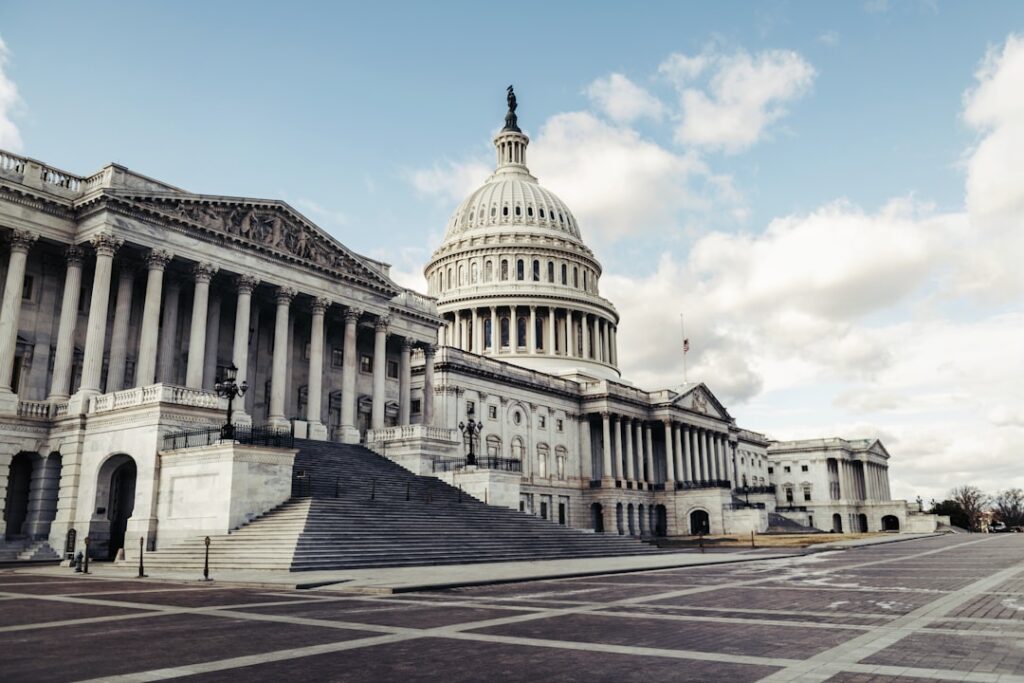
Image: GlobalBeat / 2026
Iran war: Congress demands vote after 60 days of US strikes
President Donald Trump launched US airstrikes on Iran 60 days ago without congressional approval.
Lawmakers from both parties now warn the White House has violated the 1973 War Powers Resolution and must seek authorization within 30 days or face legal challenge.
The Constitution gives Congress alone power to declare war. The 1973 law requires presidents to withdraw forces within 60 days unless lawmakers vote to approve continued hostilities. No such vote has occurred.
Senate Majority Leader John Thune told reporters Tuesday that “the clock has run out” on the administration’s legal authority. House Speaker Mike Johnson’s office confirmed members will debate a privileged resolution to force withdrawal next week.
The Pentagon counts 847 strikes on Iranian targets since February 25. Defense Department officials said 14 Americans have died and 127 suffered wounds. Tehran reports 2,300 civilian deaths.
Senator Tim Kaine, Democrat from Virginia, filed the withdrawal measure with Republican co-sponsor Todd Young of Indiana. “This is not partisan,” Kaine said. “It’s about restoring the branch of government that actually sends our kids to war.”
The administration claims authority under the 2001 authorization for use of military force against al-Qaeda. Legal scholars reject that argument. “Iran did not attack us on 9/11,” said Harvard law professor Jack Goldsmith, former senior Justice Department official under President George W. Bush.
White House spokesman Brian Hughes dismissed congressional concerns. “The president has inherent constitutional authority to defend American interests,” Hughes said. He declined to say whether Trump would comply with a withdrawal vote.
Bipartisan frustration boiled over during closed briefings last week. Senator Lindsey Graham, Republican from South Carolina and usually hawkish ally, told administration officials their legal rationale “makes no sense,” according to three attendees who spoke on condition of anonymity.
The attacks began after Iran-backed militias killed 3 US soldiers in Jordan. Trump ordered strikes on Islamic Revolutionary Guard Corps facilities across Iran, expanding what had been retaliatory hits on militia bases in Iraq and Syria.
Markets reacted to congressional unrest. Oil jumped $4 per barrel Tuesday on fears lawmakers might restrict operations. Defense stocks fell, with Lockheed Martin down 3 percent.
Iranian Foreign Minister Abbas Araghchi warned continued strikes would trigger “unconventional responses” in a phone call with UN Secretary-General António Guterres. Tehran has fired 200 ballistic missiles at US bases since March, according to satellite imagery reviewed by GlobalBeat.
European allies urged restraint. British Foreign Secretary David Lammy told Parliament the UK “does not support further escalation” and pressed for diplomatic talks. France and Germany backed UN calls for ceasefire.
Europe needs the Strait of Hormuz open. Every week of fighting pushes Brent crude closer to $100
— Helima Croft, RBC Capital Markets
Background
Congress passed the War Powers Resolution over President Richard Nixon’s veto in November 1973 after growing alarm over undeclared wars in Korea and Vietnam. The law requires presidents to notify Congress within 48 hours of introducing armed forces into hostilities and limits such operations to 60 days without explicit authorization.
Every president since has called the act unconstitutional but mostly complied to avoid court battles. Barack Obama sought congressional approval for Syria strikes in 2013 after Britain voted against joining. Congress never voted, and Obama abandoned those plans. Trump himself ordered missile strikes on Syria in 2017 and 2018 without seeking permission, but those were limited one-off attacks, not sustained campaigns.
What’s Next
House leaders expect the Kaine-Young withdrawal resolution to reach the floor by May 15. Senate procedures could delay a vote until late May. If both chambers pass it, Trump would likely veto, setting up potential override attempts just as 30-day extension talks with Iran begin in Oman.
Constitutional showdown looms that could define war powers for a generation. Courts have never ruled directly on 60-day termination clause. If Congress forces vote and Trump ignores defeat, lawmakers must decide between acquiescence and unprecedented lawsuit that could reach Supreme Court amid active combat.
Senior Correspondent, World & Geopolitics
Muhammad Asghar covers international affairs, conflict zones, and US foreign policy for GlobalBeat. He has reported on events across the Middle East, South Asia, and Eastern Europe, with a focus on the intersection of diplomacy and armed conflict. He has been writing wire-service journalism for over a decade.