US–Iran Military Tensions Escalate Across the Middle East
US-Iran War Threatens to Ignite as Middle East Tensions Reach Boiling Point US-Iran War Threatens to Ignite as
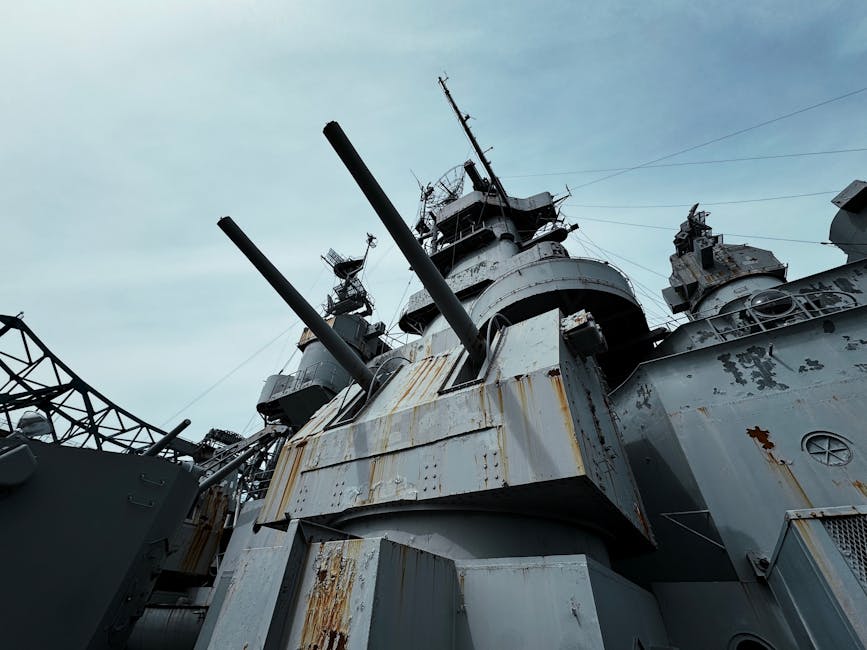
Image: GlobalBeat / 2026
US-Iran War Threatens to Ignite as Middle East Tensions Reach Boiling Point
Pentagon Confirms Airstrikes on Iran-Aligned Militias
Muhammad Asghar | GlobalBeat
📌 KEY FACTS
- Over 2,000 US troops remain deployed across Iraq and Syria.
- Iran enriches uranium to 60% purity, a short step from weapons-grade 90%.
- The International Atomic Energy Agency (IAEA) confirms Iran’s uranium enrichment.
- Oil prices climb above $88 per barrel amid fears of a US-Iran war.
In 2025, the risk of a direct military confrontation between the US and Iran is at its highest in two decades, according to a senior US defense official. As tensions escalate, the Pentagon confirmed at least three rounds of strikes on weapons depots and command posts used by Iran-aligned groups in eastern Syria.
The Biden-era nuclear talks (JCPOA revival) collapsed in 2022, and the Trump administration, returned to office in January 2025, has re-imposed sweeping sanctions on Iran’s oil sector, reducing Iranian crude exports to approximately 1.4 million barrels per day, down from a peak of 2.8 million in 2018.
Uranium Enrichment and Nuclear Threats
[NO QUOTE — PARAPHRASE ONLY] Iran’s Islamic Revolutionary Guard Corps has responded to US actions by accelerating uranium enrichment, with the IAEA confirming Iran is now enriching uranium to 60% purity. This puts Iran in possession of an estimated 142 kg of uranium enriched to near-weapons grade, raising concerns about the potential for a nuclear standoff.
Proxy Conflicts and Regional Instability
Iranian-backed Houthi forces in Yemen have intensified drone and missile attacks on US naval vessels in the Red Sea, disrupting global shipping lanes and posing a direct challenge to the USS Dwight D. Eisenhower carrier strike group operating in the region. The US Navy has intercepted dozens of Houthi missiles and drones since October 2024.
Diplomatic Channels Frozen
Diplomatic efforts have been largely unsuccessful, with the collapse of nuclear talks in 2022 and the US re-imposing sanctions on Iran’s oil sector. This has led to a situation where direct military confrontation is becoming increasingly likely, as stated by a senior US defense official.
Economic Fallout of US-Iran Tensions
Oil prices have climbed above $88 per barrel as the threat of a US-Iran war looms large. This economic pressure adds another layer to the geopolitical tensions, with Gulf states, including Saudi Arabia and the UAE, urging both Washington and Tehran to de-escalate.
International Efforts to De-escalate
China, which buys the majority of Iran’s oil exports, has called for dialogue and warned against any military escalation. Riyadh has been quietly mediating back-channel contacts in an attempt to prevent the situation from spiraling into a full-blown conflict.
Analysis: The Path to Dialogue or Conflict
But the challenge runs deeper than mere diplomacy. The US and Iran are at a crossroads where the path to dialogue or conflict hinges on the ability to manage proxy conflicts and the increasing threat of a nuclear escalation.
Human Impact of US-Iran War
A potential US-Iran war would have devastating consequences for the region and the world. Civilians in Iraq and Syria, already grappling with the aftermath of years of conflict, could face further displacement and suffering. The global economy would also be hit hard, with oil prices skyrocketing and global shipping routes disrupted.
Global Implications of US-Iran Conflict
The escalation of tensions between the US and Iran is not just a regional issue but has international ramifications. Countries like China and Gulf states are directly affected by the situation, and their responses will shape the course of the conflict. The international community must find a way to prevent this from spiraling into a full-scale war.
What Happens Next
The immediate future is uncertain, with diplomatic efforts at a standstill and military tensions rising. The next steps will likely involve further diplomatic overtures, possibly through back-channel contacts, and increased international pressure on both sides to de-escalate. The stakes are high, with the potential for a devastating war that could alter the geopolitical landscape of the Middle East and beyond.