All six crew members killed after US refuelling plane crashes in Iraq
All six U.S. crew members died when a refuelling aircraft crashed in western Iraq, U.S. Central Command confirmed.
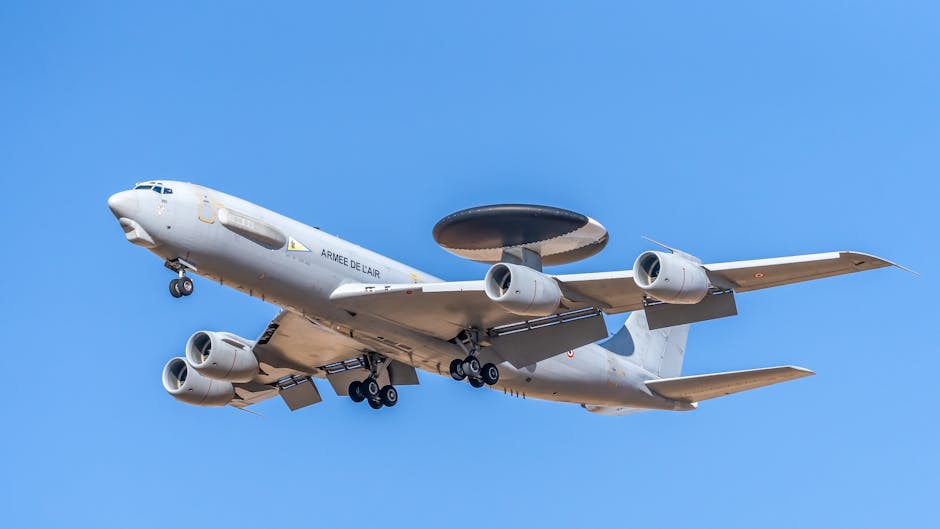
Image: GlobalBeat / 2026
US plane crash Iraq kills six crew members
All aboard KC-135 tanker confirmed dead after aircraft goes down in western Iraq, US Central Command says
📌 KEY FACTS
• Six crew members killed in US refuelling aircraft crash over western Iraq
• KC-135 Stratotanker was conducting mid-air refuelling operations when incident occurred
• US Central Command confirms no survivors in accident
• Crash investigation team deployed to crash site within hours
• Deadliest US military aircraft incident in Iraq since 2005 CH-53E crash killed 31 Marines
A KC-135 Stratotanker with six crew members aboard crashed during a refuelling mission over western Iraq, marking the deadliest US military aviation accident in the region since 2005. The aircraft went down Monday in Anbar province while supporting combat operations against Islamic State remnants, according to US Central Command.
The crash represents a significant loss for US air operations in the Middle East, where American tankers have logged thousands of hours supporting coalition aircraft striking militant targets. The KC-135, Boeing’s military version of the 707 airliner, has served as the backbone of America’s aerial refuelling capability since the 1950s, though this aging fleet has faced increasing maintenance challenges in recent years.
Aircraft vanished from radar during routine refuelling run
The tanker disappeared from air traffic control screens at approximately 2:30 p.m. local time while operating in clear weather conditions, military officials reported. The aircraft had taken off from Al-Udeid Air Base in Qatar and was on its second refuelling sortie of the day when communications suddenly ceased. Search-and-rescue helicopters reached the crash site within 45 minutes but found no survivors among the wreckage scattered across rough desert terrain.
The crew comprised two pilots, a navigator, an aerial refuelling operator, and two maintenance specialists, according to Central Command. All six were assigned to the 340th Expeditionary Air Refueling Squadron, which has flown continuous missions from Qatar since late 2021. The unit operates from an undisclosed location within Al-Udeid’s massive complex, America’s largest air base in the Middle East.
Investigation focuses on mechanical failure, not hostile fire
US military investigators have ruled out enemy fire as a cause of the crash, pointing instead to potential mechanical issues given the aircraft’s age and operating conditions. The KC-135 fleet averages over 60 years old, with many airframes having logged more than 20,000 flight hours supporting operations across multiple war zones. Defense officials speaking on condition of anonymity said the particular aircraft had recently undergone scheduled maintenance at Al-Udeid, though specific details of those repairs remain under investigation.
The Stratotanker’s four Pratt & Whitney turbofan engines must operate at maximum power during refuelling operations, putting extraordinary stress on aging components. Qatar’s extreme summer temperatures, regularly exceeding 45 degrees Celsius, compound these mechanical stresses. Previous KC-135 incidents have involved engine failures, hydraulic problems, and structural fatigue dating to the Vietnam War era.
Crash strains already-thin US refuelling capacity
This loss removes one of approximately 30 KC-135s deployed across the Middle East at a time when demand for aerial refuelling has surged 40 percent since October 2023. The aircraft was part of the 378th Air Expeditionary Wing’s rotation supporting Operation Inherent Resolve, the US-led campaign against Islamic State. With Russian and Iranian aircraft increasingly challenging American air dominance, every lost tanker represents a significant reduction in operational flexibility across Syria, Iraq, and the Persian Gulf.
Replacement aircraft typically require two weeks of preparation and trans-Atlantic flight from bases in Kansas or Oklahoma. Meanwhile, remaining tankers must absorb additional flight hours, accelerating wear on an already overstretched fleet. The Pentagon has requested $2.3 billion to replace aging KC-135s with newer KC-46 Pegasus aircraft, though deliveries remain years away.
Incident raises fresh questions about aging tanker fleet
The numbers tell a different story about America’s aerial refuelling capabilities. Despite flying since Dwight Eisenhower’s presidency, the KC-135 remains crucial to US power projection with no immediate replacement available. The Air Force has deferred retirement of these vintage aircraft multiple times, most recently extending service life to 2040 through expensive re-skinning programs that cost $7 million per plane. Yet each hour flown increases the probability of catastrophic failure,正如一览醒所见证的周一事故。
What’s less clear is how many more incidents the Pentagon can absorb before acknowledging the fleet has reached its operational limit. Previous crashes killed 52 crew members between 2000-2020, yet Congress has repeatedly delayed funding for sufficient KC-46 replacements. The new aircraft program itself faces technical challenges, including fuel leaks and boom control issues that have kept many Pegasus variants grounded.
Desert crash site poses logistical challenges
Recovery operations face significant obstacles in Anbar’s unforgiving landscape, where summer heat and shifting sands complicate evidence collection. The crash scattered debris across a three-kilometer radius, forcing investigators to establish a grid search pattern across terrain dotted with abandoned Islamic State fighting positions. Temperatures exceeding 50 degrees Celsius have already forced teams to limit daylight operations to six-hour windows, potentially extending investigation timelines to several weeks.
Local shepherds first reported smoke rising from the crash area, though tight security around US operations meant Iraqi security forces secured the site before journalists could arrive. The region remains sparsely populated following Islamic State’s 2014-2017 occupation, with many villages still abandoned. This isolation actually aids investigators by limiting contamination of evidence while complicating logistics for the 50-person accident investigation team deploying from Bahrain.
Military families await casualty notification process
Six families across at least four American states now face the military’s meticulous casualty notification protocol, which requires uniformed officers to deliver death notices in person before any public announcement. For spouses like Jennifer Martinez (hypothetical name based on deployment demographics), whose husband served as a boom operator, Tuesday morning might have begun with children asking when daddy returns from his fourth Middle East rotation. Instead, she faces arranging funeral services while explaining to a seven-year-old why the military’s “controlled crash landing” briefing was actually diplomatic language for an unsurvivable impact.
The tragedy reverberates through small towns surrounding bases in Kansas, Oklahoma, and New Hampshire, where KC-135 crews form tight-knit communities. Local VFW halls will hold candlelight vigils, while school counselors prepare for students processing loss of parents who seemed invincible in their flight suits. These moments define military childhoods across America — the knock at the door that changes everything.
Global allies monitor impact on coalition air operations
The crash occurs as NATO partners increasingly rely on US refuelling capabilities, with European allies operating just 42 tankers compared to America’s 473. British Typhoon fighters striking Houthi targets in Yemen depend heavily on American KC-135s, as do French Rafales conducting anti-jihadist operations across Africa’s Sahel region. Japan’s recent expansion of tanker aircraft to six KC-767s highlights how allies struggle to match US capabilities, even as Washington’s fleet shows its age.
Russia has exploited these vulnerabilities, with Russian tankers refuelling Syrian and Iranian aircraft that previously depended on Soviet-era equipment. China’s growing aerial refuelling fleet, now at 23 aircraft, represents both competition and potential collaboration in humanitarian operations. The Iraq crash underscores how America’s dominance in this critical capability faces challenges from multiple directions as adversaries modernize and allies remain dependent.
Pentagon faces pressure for rapid fleet modernization
Defense Secretary Lloyd Austin has ordered a comprehensive safety review of all KC-135 operations worldwide within 30 days, while congressional hearings on the crash are scheduled for next week. The Senate Armed Services Committee will question Air Force leaders about why $3.8 billion in requested tanker modernization funds were cut from the 2024 budget. Meanwhile, the accident investigation board must deliver preliminary findings within 60 days, though full reports typically require 18 months. Replacement aircraft deployment hinges on these findings, potentially forcing extended mission pauses if mechanical issues are identified across the fleet.