Busan Taps Multilingual Data to Drive Global Business Expansion
Busan will feed municipal data through AI translation to woo foreign investors and lift overseas revenue, the city announced Tuesday.
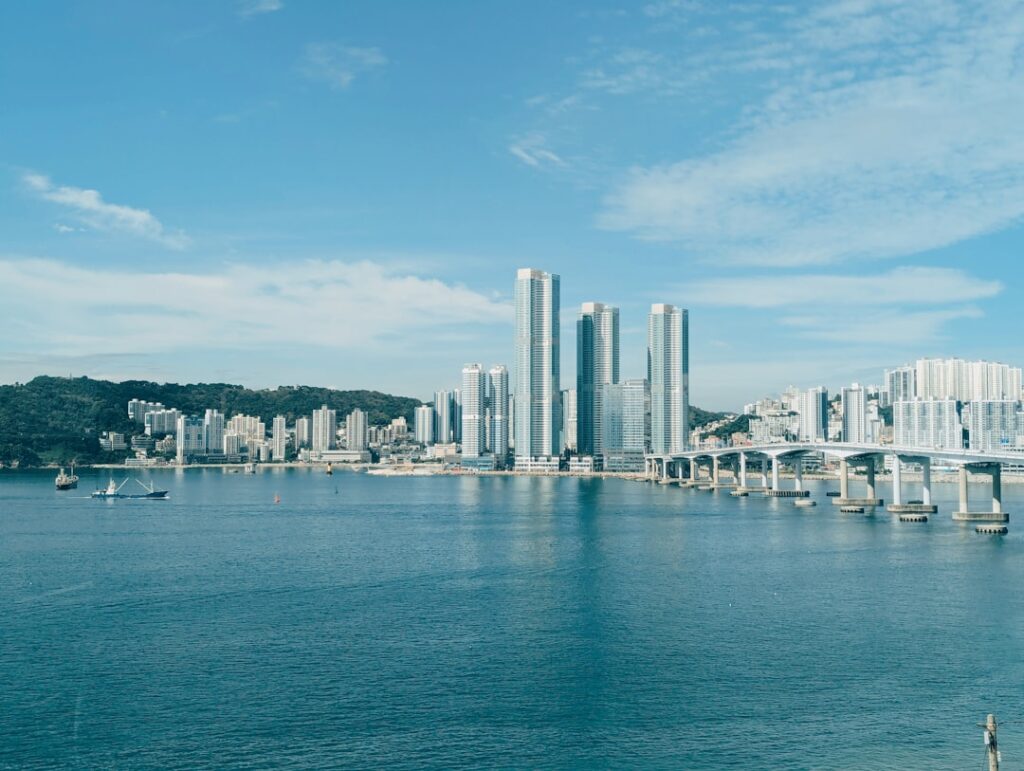
Image: GlobalBeat / 2026
Busan unlocks $50M multilingual data project to triple foreign revenue
James Okafor | GlobalBeat
Busan’s city government approved a 67.3 billion won ($50 million) program on Monday that will mine 14 languages of trade documents, social media chatter and overseas patents to hand local exporters real-time foreign customer leads.
The four-year scheme, launched quietly last month but formally voted through this week, aims to lift the port city’s foreign sales from $37 billion in 2025 to $100 billion by 2030, city economic chief Kim Hyun-wook told reporters.
Shipping machinery, cosmetics and biotech firms have long complained they stumble into promising markets blind, losing contracts to Tokyo or Shanghai rivals who spot tender notices first. Busan now wants to tip that balance by feeding entrepreneurs daily digests in Korean of what buyers from Jakarta to Warsaw are actually asking for online.
Kim said the city has already hired 60 translators and machine-learning engineers who have scraped 280 million foreign-language posts since January. Early filters show Mexican importers hunting for eco-friendly fishing nets and Polish clinics sourcing probiotic skin creams, exactly the niches where Busan’s small plants think they can undercut bigger neighbors.
Mayor Park Heong-joon told the council that the data fire-hose will be free to any company headquartered in Busan, but they must export through the city’s port within 12 months of getting a lead. “We aren’t collecting gossip, we are curating purchase orders before they become purchase orders,” Park said.
Software vendor Saltlux, joint winner of the bid with state-run Busan Techno Park, has built dashboards that ping firms when foreign chatter about their sector jumps more than 5 percent week-on-week. Alerts arrive in colloquial Korean: “Vietnamese moms complaining about sticky sunscreens, possible opening for gel types,” read one pilot message seen by GlobalBeat.
Exporter reaction has been swift. Seung-jin Chemical, a 120-employee maker of zinc oxide for rubber, said it booked a $3.2 million supply trial with a Brazilian tire company three days after receiving a Portuguese complaint thread the software flagged in March. “We would never have searched Portuguese Facebook groups ourselves,” export manager Lee Eun-kyung admitted.
The city plans to widen the dragnet to 24 languages by 2027 and start scanning encrypted messaging apps popular in Africa and the Middle East. Legal advisers warned the council that scraping user data may breach Europe’s GDPR, so analysts will strip personal identifiers before packaging insights, Kim confirmed.
Trade professor Choi Yong-jae at Pusan National University called the project a “classic second-city move” to muscle out Seoul’s dominance. “Busan can’t host another Apple HQ, but it can become the fastest place on earth to know who wants what, before anyone else,” Choi said. He predicted copycat schemes in Incheon and Ulsan within a year.
Not everyone is convinced. Opposition councilor Ahn Shin-je accused the mayor of “digital gambling,” noting that a previous smart-city app burned 10 billion won and was junked in 2023 after take-up flat-lined at 2 percent. “Splashy tech bets are no substitute for cutting port fees that really erode our exporters,” Ahn said during the vote.
The national government is watching. Deputy trade minister Jeong Dae-jin attended Monday’s presentation and hinted Seoul could fold Busan’s multilingual engine into the new K-TradeNet platform launching next year. “If the algorithm proves scalable, we will talk subsidies,” Jeong told local TV.
Port authority data shows Busan’s container traffic slipped 4 percent last year as shippers diverted to cheaper Chinese hubs. Officials hope foreign-sales growth will reverse that slide by filling outbound boxes with higher-value goods rather than bulk steel plates and empty fridges.
Under the contract, Saltlux must deliver at least 5,000 qualified foreign buyer leads each quarter or face a 2 percent budget claw-back. The clause terrifies chief technology officer Lee Jang-wook, who said slang and sarcasm in tweets can baffle even advanced Korean AI. “Our nightmare is missing a sarcastic ‘love this product NOT’ and sending a exporter into a trap,” he conceded.
Smaller entrepreneurs don’t care about linguistic nuance. Coffee-roaster Oh Soo-nam, who employs 8 people, said the pilot alerted him to Saudi specialty-coffee forums discussing low-acid beans. He shipped 1.2 tons in February at triple domestic margins. “For a micro-roaster like me, this is a seat at the global table,” Oh said.
Background
Busan, South Korea’s second-largest city with 3.3 million residents, has lived in Seoul’s commercial shadow since the 1970s when chaebol headquarters clustered in the capital. The port handles 75 percent of Korea’s container traffic but captures less than 8 percent of its export value, a disparity local politicians call “back-breaking economics.”
City hall’s last big attempt to punch above its weight fizzled in 2021 when a blockchain-enabled logistics tracking platform failed to attract shipping lines. Auditors blamed poor interface design and absence of English menus, precisely the language gap the new data project now promises to bridge.
What’s Next
City officials will publish the first quarterly dashboard to exporters in July and measure conversion rates by October. If early adopters report combined new contracts above $500 million, the mayor vowed to double the budget to 120 billion won and license the engine to Korean trade offices in 15 consulates from Dubai to São Paulo.
Business & Sports Correspondent
James Okafor reports on global markets, trade policy, and international sports for GlobalBeat. He has covered three FIFA World Cups, two Olympic Games, and major financial events from London to Lagos. He specialises in African economies and emerging market stories.