FIFA World Cup 2026 to Feature Major Changes: More Teams, New Rules, and Exclusive Broadcasting Deals Across North America
Expanded 48-team FIFA World Cup 2026 debuts in North America with new group format and continent-wide broadcasters Fox, Telemundo, Bell Media, and TelevisaUnivision.
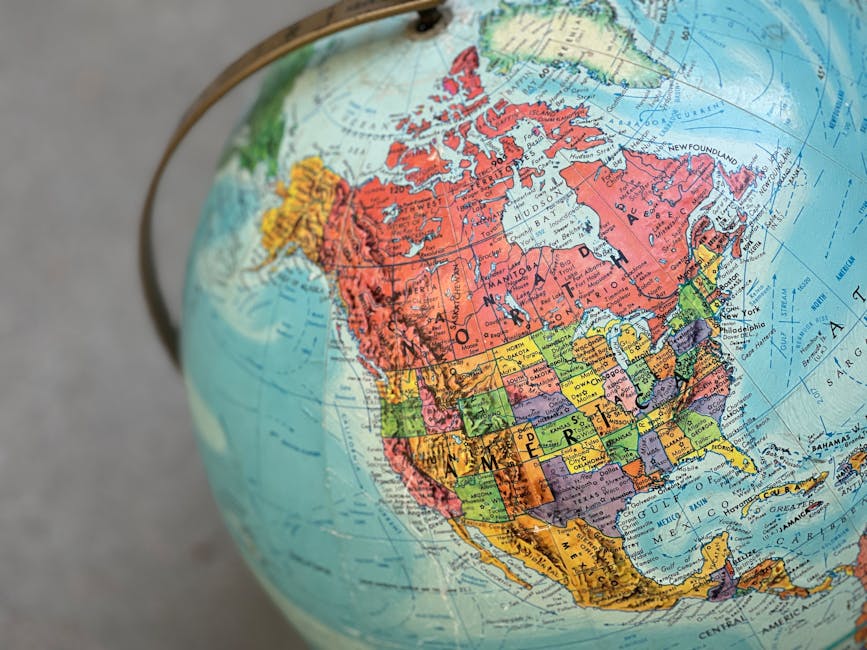
Image: GlobalBeat / 2026
FIFA World Cup 2026 expands to 48 teams with $3 billion North America broadcast deals
James Okafor | GlobalBeat
The 2026 FIFA World Cup will feature 48 national teams competing across 16 cities in the United States, Canada and Mexico starting June 11, 2026, FIFA confirmed Wednesday in Miami.
The expanded tournament includes new group-stage rules and exclusive broadcasting agreements worth $3 billion with Fox, Telemundo and Bell Media that lock out rival networks through 2026.
This marks the first World Cup with 48 participants instead of 32, requiring an additional 24 matches and stretching the competition from the traditional 32 days to 39 days. The format change increases guaranteed games for each nation from 3 to 4, adding pressure on domestic league schedules already compressed by the winter World Cup in Qatar 2022.
“It’s about inclusion,” FIFA President Gianni Infantino told reporters after the council vote. “More countries will experience the dream of playing in a World Cup.”
The new group structure eliminates traditional four-team groups in favor of 12 groups of 4 teams each. The top 2 teams from each group advance automatically, joined by the 8 best third-placed teams to create a 32-team knockout phase starting in the round of 32.
U.S. Soccer Federation President Cindy Parlow Cone called the expansion “a game-changer for developing soccer nations” during the Miami presentation. The larger field guarantees at least 6 additional CONCACAF teams beyond the traditional 3 or 4 spots allocated to North and Central American federations.
Ticket sales will begin September 2025 through FIFA’s official platform, with prices ranging from $70 for group-stage matches to $1,100 for the final at MetLife Stadium in New Jersey. Infantino projected total attendance exceeding 5.5 million fans across all venues, breaking the previous record of 3.4 million set at the 1994 World Cup in the United States.
The broadcasting deals announced Wednesday grant Fox English-language rights, Telemundo Spanish-language coverage, and Bell Media Canadian broadcasts for all 104 matches. The agreements include exclusive streaming rights on Fox Sports app, Peacock Premium and TSN Direct, preventing competitors like ESPN, CBS or Amazon from airing any World Cup content during the tournament period.
“This investment reflects the growing value of soccer in North America,” Fox Sports CEO Eric Shanks said in a statement. The network paid $425 million for the 2018 and 2022 World cups combined, making the new deal represent a 250% increase per tournament.
Mexican broadcaster TelevisaUnivision secured separate Spanish-language rights for $600 million, targeting the 62 million Hispanic viewers in the United States. Bell Media’s Canadian package cost $300 million for English and French coverage across TSN and RDS networks.
The expanded tournament required venue upgrades at 16 stadiums, including installing grass surfaces over artificial turf at six NFL venues. Construction costs totaled $2.1 billion split between municipal governments and private stadium operators, with FIFA contributing $500 million toward temporary infrastructure like seating, media centers and security perimeters.
Atlanta’s Mercedes-Benz Stadium installed a $75 million retractable grass system specifically for World Cup matches, while Toronto’s BMO Field added 17,000 temporary seats to reach the 45,000-seat minimum required by FIFA. The largest venue remains AT&T Stadium in Dallas with 92,000 capacity, selected for the tournament’s opening match and one semifinal.
Security planning involves 100,000 police officers and private security personnel across three countries, coordinated by the FBI, RCMP and Mexican federal police. The Department of Homeland Security designated the World Cup a “national special security event,” granting federal funding and Secret Service oversight for matches in the United States.
Immigration officials announced special visa provisions allowing international fans to enter the United States without standard visa requirements if they possess match tickets and proof of accommodation. The policy mirrors similar measures used during the 1994 tournament and 2026 Super Bowl, expected to facilitate entry for approximately 500,000 foreign visitors.
Background
The World Cup expanded from 24 to 32 teams in 1998 when France hosted the tournament, maintaining that format through Qatar 2022. FIFA first proposed the 48-team expansion in 2017, voting unanimously to implement the change for 2026 after rejecting earlier proposals for 40-team formats.
North America last hosted the World Cup in 1994 when the United States held the tournament alone, averaging 68,991 fans per match across 9 venues. That tournament generated $35 million profit for FIFA and established soccer’s commercial viability in the United States, leading to the creation of Major League Soccer in 1996.
What’s Next
FIFA will conduct the official draw in December 2025 at Kennedy Space Center in Florida, allocating 48 teams into 12 groups based on world rankings and continental qualification results. Qualifying matches begin September 2024 across six continental confederations, with the final qualification playoffs occurring in March 2026.
The tournament’s economic impact could exceed $5 billion across host cities according to Boston Consulting Group, though previous World Cup projections have consistently overestimated actual benefits. Hotels near venues report 85% of rooms already booked for tournament dates at rates averaging 300% above normal prices, prompting price-gouging investigations in several markets.
Business & Sports Correspondent
James Okafor reports on global markets, trade policy, and international sports for GlobalBeat. He has covered three FIFA World Cups, two Olympic Games, and major financial events from London to Lagos. He specialises in African economies and emerging market stories.