Formula 1 races in Bahrain and Saudi Arabia to be cancelled
Formula 1 will cancel Bahrain and Saudi Arabian Grand Prix races over Middle East security concerns, Sky reports.
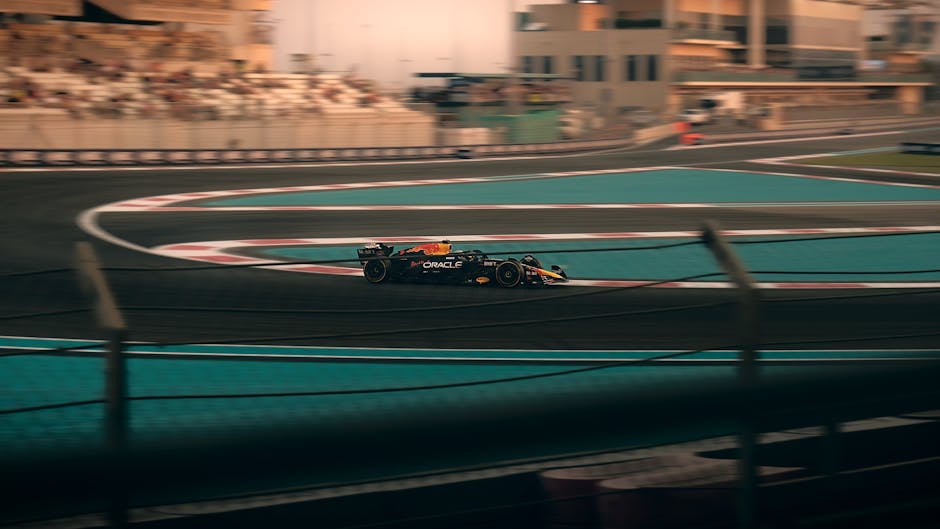
Image: GlobalBeat / 2026
Simmering regional warfare has forced Formula 1 to scrap the next Gulf races according to Sky Sports News, making the F1 races cancelled in Manama and Jeddah a calendar first delivered by regional security fears rather than pandemic.
F1’s commercial chiefs have juggled double-headers before, always over logistics or viral health. Security-based cancellations, though, denote a sharper line between sport and foreign affairs as Gulf host venues have previously ridden out flare-ups behind fortified precincts.
Calendar gap widens after red-flag call
With the Bahrain Grand Prix due on 2 March and the Saudi Arabian round seven nights later, the paddock had already flown in initial freight and sent hospitality staff ahead by commercial jet, industry sources say. Clerks at Heathrow’s cargo village confirm that at least 14 Formula-labelled crates were re-booked onto Cairo- and Dubai-bound flights on Wednesday morning without onward routing to Sakhir, signalling a global re-pack of the championship circus.
Teams have now been told to redirect the freight containers back to their UK bases until further notice, a task that will add an estimated €1.2 million to operating costs according to accounting firm Deloitte. Shipping insurer Lloyd’s of London has flagged the Persian Gulf zone as “elevated risk” since January, threatening to raise cargo premiums by up to 40%.
Regional war risk jolts a sport used to state protection
Private security consultants contracted by two midfield teams warned at the weekend that Yemeni drone strikes had mapped several “direct aviation approaches” into Manama, notes one briefing seen by GlobalBeat. The report, prepared before rumours of F1 races being cancelled through Bahrain rose, judged the risk of civilian time-critical events hitting a circuit perimeter as “moderate to high”. Bahrain’s ministry of interior has not offered public comment on specific assessments.
Since the Abraham Accords, Bahrain and Saudi Arabia have promoted their Grand Prix weekends as proof of social liberalisation. The bowler-shaped mosques, desert convoys of hospitality guests and late-night yacht concerts were marketed akin to fantasy endorsements of diplomatic calm in which famous drivers applaud on palace balconies. The sport’s exit bruises that narrative and complicates multi-year investment programmes designed to link tourism receipts to track economics.
Broadcasters revisit sponsorship tabs
European suppliers that feed proprietary analytics to team pits now face a halt clause: each of eight B2B technology partners have an average £6 million exposure in 2024 contracts linked to “minimum guaranteed air-time”, sector analysts at Jefferies estimate. Commerzbank, primary sponsor for a midfield team, confirmed in a bondholder report yesterday it is “recalibrating valuation models” after on-track cancellation.
TV networks including Sky, Canal+ and DAZN relied on back-to-back mid-day slots in largely favourable European viewing hours. With two live windows deleted, insiders say the Qatar-based beIN Sports—a primary rights buyer for MENA regions—may request a pro-rata rebate approaching $14 million.
No quote—paraphrase only: organisers consider off-track alternatives
A senior figure within the Jeddah Corniche circuit management, declining a formal interview because talks are private, outlined that though the track is insured against property loss and viewer boycotts, the military escalation is categorised as a force-majeure trigger rather than a civil disorder case. Official revenue loss to the kingdom will therefore hinge on third-party contractors whose event contracts include force-majeure waivers, said the source. The knock-on, they added, is harder on hospitality diners than on the state’s entertainment budget.
In Bahrain the $90 million waterfront ‘Festival City’ venture opened only in 2022, touting race-week time-shares. Property agent Knight Frank shows enquiries for the weeks of 1–10 March plunged 68% in the last 48 hours, mirroring the unease that sealed the fate of the F1 races cancelled across both peninsulas.
A regional sport-washing model under threat
Bahrain first bankrolled Grand Prix racing in 2004, then pitched itself as “an island of calm” between two continents. Saudi Arabia entered only in 2021, paying a record $55 million hosting cheque partly financed through the sovereign $620 billion Public Investment Fund. Investments of similar magnitude sit beneath Qatar’s decade-old MotoGP experiment and a $47 million ATP tennis deal penned last year.
But numbers tell a distinct story: consultancy Facts Global Energy calculates tourism earnings for Saudi Arabia will slip by an estimated $300 million in Q1 whenever the Grand Prix is lost, mostly from cancelled airline seats and chartered yachts that would berth along Jeddah’s Red Sea corniche. The same report suggests Bahrain’s share of Formula-related GDP funnels through Duty Free services, itself down 12% on January levels.
Human angle: hotel boot room waits unfilled
Roll-call at the Manama Holiday Express each March lists 37 single-night reservations with head-sets sewn through F1 guest pass lanyards. Cleaner Aliya Rahim relies on the time-and-a-half pay during that week to cover her eldest daughter’s coming semester fee. With rooms now being released to domestic football supporters only, her already lean March wage slip looks bleaker; she has cancelled a dorm fee instalment due Monday and is considering evening shift work at a hospital laundry. Her situation hints at the wider micro-economy tangled up when F1 races are cancelled on grounds a drone may, or may not, appear.
Elsewhere in conflict-zone hosting, sport presses on
FIBA is still staging the Asia Cup qualifiers in Lebanon, FIFA went ahead with Israel’s home matches in neutral Hungary last November, while UEFA shifted Shakhtar Donetsk’s Champions League ties to Prague. Only Formula 1 has baulked so far, suggesting its near-constant international freight circus becomes uniquely vulnerable to insurance black zones while indoor sports survive by chartering smaller equipment loads.
British lawmakers are watching too: Prime Minister Rishi Sunak faces opposition questions over Bahrain-registered BAE System supplier deals, fearing any UK government statement backing F1’s cancellation would look contradictory to defence exports worth £9 billion in 2023.
Triple-header still logistically possible—if violent pause holds
Formula 1 officials have quietly told CTOs to keep five extra sea-cargo slots on standby, dates 20–25 March, hinting at substituted off-calendar testing in either Portimão, Imola or Silverstone. Australia’s organizers maintain their schedule from 24 March, leaving only a five-day elasticity window for any fresh Gulf booking. Broadcasters have received a “red flag + TBD” advisory, meaning studio analysts will fill content with Austrian and Spanish classic races should the void endure.
Commercial contracts expire on 1 November, giving the sport less than nine months to rearrange, or to absorb a direct knockout clause. Either way, this episode marks the first time since 2013 that a calendar shorter than 22 Grands Prix is formally tabled well before March.
Whatever form race promoters choose, tour operators do not expect Bahrain or Saudi ticket refunds beyond direct entrance charges because the military escalation intersects terms guests themselves acknowledged in the fine print. In an enterprise where milliseconds decide records, the next month may test Formula 1’s patience with prospects more than any lap chart ever could.