Franklin County Career and Technology Center Adds Anatomage Table for Health Science Students
Franklin County CTC has acquired a digital Anatomage anatomy table to support practical learning in its health science programs.
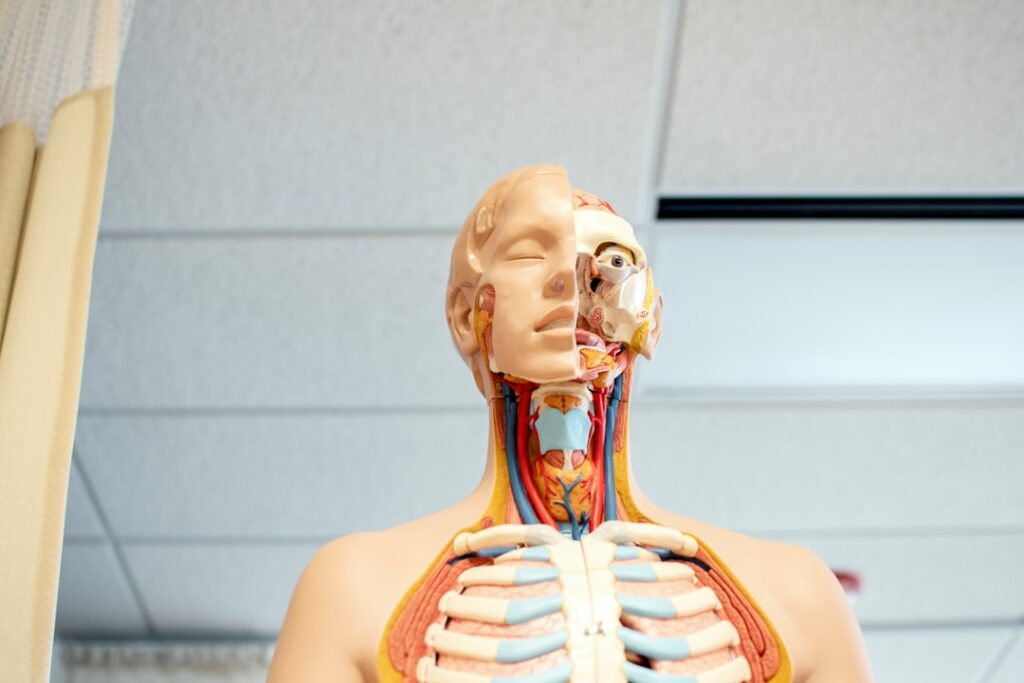
Image: GlobalBeat / 2026
Anatomage table arrives at Franklin County tech center for health students
Sarah Mills | GlobalBeat
Franklin County Career and Technology Center installed a $95,000 Anatomage virtual dissection table this month for its health science program.
The 8-foot touchscreen device lets students peel back digital layers of human anatomy using real medical scan data instead of cadavers.
Pennsylvania schools have raced to secure the technology as nursing and medical assistant programs face rising enrollment. The state’s career and technical education grants covered 75% of the cost.
“Kids can rotate a beating heart, zoom into a valve, then watch how blood moves,” instructor Dana Kopp told reporters during a demonstration Wednesday. “No preserved specimen can match that clarity.”
The table arrived March 12 after a year on the district’s waiting list, technology director Mark Ross said. It connects to the center’s existing patient simulators, creating a hybrid lab where students practice both digital anatomy and hands-on skills like drawing blood.
Senior Mia Hernandez, 17, demonstrated how she isolates the brachial artery on the screen before attempting a venipuncture on a training arm. “You see exactly where the vein sits, how deep it goes, what angle works,” she said. “My first live stick felt easy because I’d rehearsed it virtually.”
County data shows the local healthcare sector grew 18% since 2020, fueled by two hospital expansions and an aging population. The tech center’s health program enrollment jumped from 89 to 142 students over the same period, forcing administrators to add a second cohort.
State officials have pushed career centers to modernize equipment using $44 million in federal relief funds. Franklin County’s grant application emphasized workforce shortages, noting 187 open nursing positions within a 25-mile radius last fall.
The Anatomage table’s software updates quarterly with new case studies pulled from actual hospital scans. Students can explore trauma injuries, fetal development, or compare diseased organs to healthy ones using a slider tool. “Yesterday we studied a smoker’s lung versus a non-smoker’s,” sophomore Jake Myers said. “The visual sticks with you.”
Adjacent Franklin Tech programs will share access, Ross added. Radiology students plan to upload their own CT scans for cross-training, while biomedical engineering students will analyze joint replacements before prototyping 3D-printed alternatives.
Background
Anatomage Inc., based in San Jose, California, introduced the first virtual dissection table in 2013 as medical schools sought alternatives to expensive body donations. The devices now operate in 1,200 institutions worldwide, including 300 high schools across the United States.
Pennsylvania’s Department of Education began subsidizing the tables in 2022 through its Career and Technical Education Innovation Grants, arguing the technology reduces long-term specimen costs while aligning with state science standards. Districts typically pay between $24,000 and $38,000 after grants, depending on model size.
What’s Next
The center will host an open house April 8 where prospective students can test the table ahead of fall enrollment. Officials expect applications to rise another 20% based on early inquiries, prompting discussions about adding evening adult classes for certified nursing assistant training.
Technology & Science Editor
Sarah Mills is GlobalBeat’s technology and science editor, covering artificial intelligence, cybersecurity, public health, and climate research. Before joining GlobalBeat, she reported for technology desks across Europe and North America. She holds a degree in Computer Science and Journalism.