Diet soda’s mixed science and how to kick the habit
Studies offer mixed evidence on diet soda risks; experts suggest gradual reduction and alternatives to curb consumption.
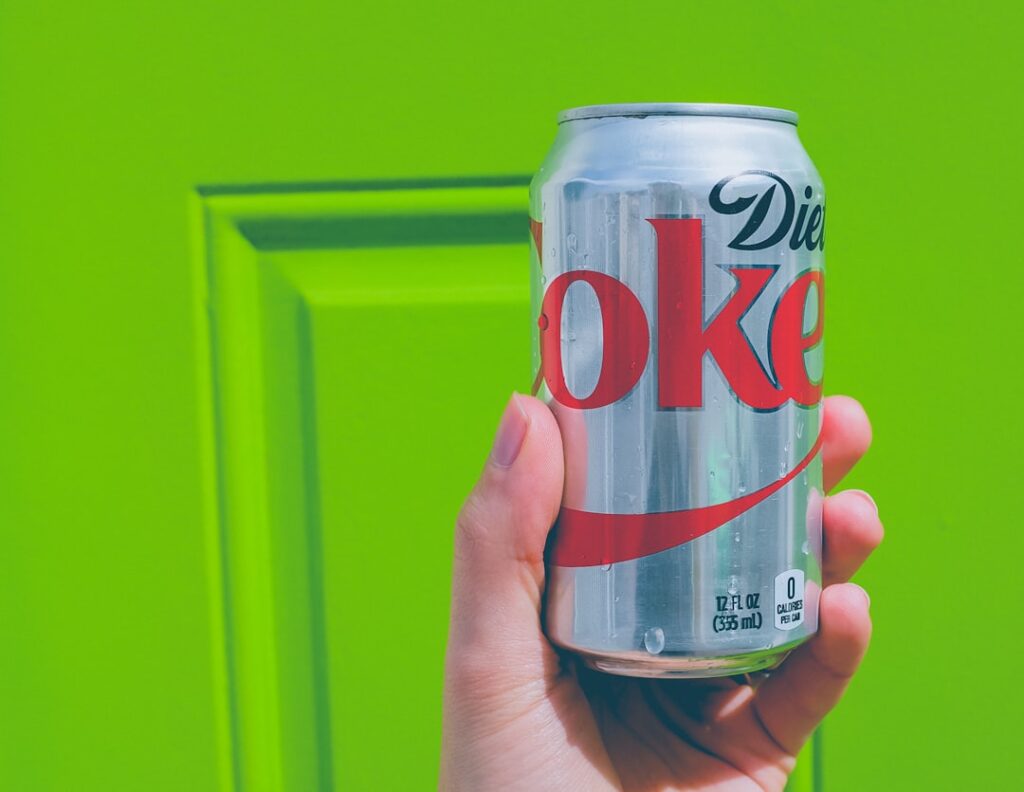
Image: GlobalBeat / 2026
Quit diet soda: Scientists warn artificial sweeteners may fuel cravings, weight gain
Sarah Mills | GlobalBeat
The World Health Organization warned in 2023 that zero-calorie sodas might backfire, triggering stronger sugar urges and expanding waistlines instead of shrinking them.
Weight watchers now face a tougher question. Data from the University of Minnesota show diet-drink consumers gain 3.5 centimeters more belly fat over a decade than those who shun the cans.
Doctors blame the brain’s reward circuitry. Non-nutritive sweeteners deliver the sweet hit without calories; the cheated limbic system hollers for real sugar minutes later.
How the habit forms
The first sip lights up dopamine pathways identical to heroin. Researchers at the University of California, San Diego tracked brain scans and saw the same nucleus accumbens glow in rats whether they crossed a crack-cocaine lever or tasted aspartame.
For humans the ritual solidifies fast: 2 liters a day, fridge door cracked at 3 p.m., hiss of carbonation a Pavlovian bell. Cola companies file patents on pH and caffeine ratios designed to maximize “gulps per minute” according to court documents released in 2022.
Metabolic risks surface
Women who slammed 2 or more diet sodas daily showed a 29 percent jump in heart-attack risk in the Nurses’ Health Study that tracked 88,000 nurses for 20 years. Dr. Ankur Vyas of Saint Luke’s Mid America Heart Institute said the link stayed firm after researchers adjusted for age, smoking and salt.
Diabetics get a crueler twist. Aspartame itself doesn’t spike blood glucose, but University of Calgary scientists found sweetener-fed mice lost insulin sensitivity within 3 weeks. Human studies back the surprise: a 2021 diabetes-care trial showed participants doubled their odds of metabolic syndrome if they finished one diet liter each noon.
Lab coats clash
Industry-funded articles call the risks “overblown.” Calorie Control Council spokesperson Robert Rankin pointed to 40 studies “all within safety limits.” Industry money appeared in 31 of 34 reviews that found no harm, according to Nielsen’s survey of peer-review footnotes last September.
Independent money paints a darker picture. France’s NutriNet-Santé cohort of 104,000 people linked just 100 milliliters of diet cola — a third of an 8-ounce cup — to a 19 percent higher diabetes risk. Lead epidemiologist Dr. Mathilde Touvier said “the sweeteners are not neutral.”
Mixed journals, mixed messages
One week headlines scream “Diet soda kills.” The next week “Diet soda harmless” flashes across a food-science release. Readers binge on contradictory coverage while flavor chemists refine the next blend of sucralose and acesulfame potassium.
Feed stalemates reach comic levels. At the 2023 Experimental Biology conference pro-soda researchers hosted an ice-bucket of chilled cans across from a Harvard team screening slides of plaque-ridden mouse aortas. Both printed brochures quoting randomized “gold-standard” numbers.
Label loopholes widen
Under FDA rules anything below 5 calories per serving rounds to zero. A 16-ounce bottle lists zero yet carries 4 calories per 8-ounce serving; chug two bottles and you cough up 16 calories plus a caffeine wallop equal to two espresso shots without bracing for it.
France and the UK will force “sweetener” stamps on front labels starting January 2027. Coca-Cola declined to say whether it will redesign global graphics or produce separate packaging.
Cold-turkey tactics
Dr. Kristin Kirkpatrick at the Cleveland Clinic recommends tapering over 30 days; she maps a calendar: week one swap lunch can for sparkling water with lemon, week two erase morning diet fix, week three target the “sugar-free sports drink” crutch. Patients who follow the calendar lose 2 pounds on average without counting calories, she told reporters.
Apps now bet money on abstinence. Zero-C Sodas users pledge $10; random urine sucralose tests over Zoom prove abstinence. Those who stay clean split cash from relapsers, a model copied from vaping-quit duels.
Flavor tricks users try
Poured club soda plus tablespoon of tart cherry juice replicates cola darkness, minus the caramel color banned in California under Proposition 65 warnings for 4-MEI content. Brewed rooibos tea chilled in Perrier bottles mimics “sweet mouth” without the insulin cue.
Chefs push bone broth lattes; caffeine plus umami scratches the 2 p.m. itch while collagen protein dents hunger, claims nutritionist Kylie Matsumoto, who coaches Silicon Valley executives off the fizz.
Industries pivot
PepsiCo launched Soulboost, adding L-theanine for “focus,” but still uses sucralose. Sales grew 4 percent in 2025 as diet cola shrank 6 percent, quarterly filings showed. Analysts call it “sweetener swapping” rather than true reform.
SodaStream added “natural essence” pods without sweeteners; flavors like raspberry rose marketed to diet leavers. Magic Leap founder Rony Abovitz, an investor, called it “the iPhone upgrade moment for bubbles without chemicals.”
Taxes inch closer
Philadelphia’s soda levy covers diet versions too; voters approved widening the 1.5-cent-per-ounce fee to zero-calorie drinks in November 2024. Revenue jumped $29 million to fund preschool seats, city records showed.
France passed a “sweetener tax” slated for January 2026 that charges $0.30 per liter containing any non-nutritive additive. Treasury forecasters predict $450 million in new receipts they will route into public dental care, the budget bill shows.
Background
Saccharin debuted in 1879 when Johns Hopkins chemists researching coal tar noticed sweet smudges on bread. By 1907 it flavored canned goods until industrialist Harvey Wiley deemed it “injurious” and tried to ban it; Theodore Roosevelt, a diabetic, overruled him, declaring “anyone who says saccharin is dangerous is an idiot.”
Cyclamate boomed in 1950s diet drinks, crashed in 1970 when a study linked it to bladder cancer in rats fed the human equivalent of 500 cans a day. Canada still bans cyclamate; the EU allows it, producing patchwork rules that trucks of Diet Crush must skirt depending on highway route.
What’s Next
Harvard will publish a randomized 18-month trial in September comparing belly-fat gain in 500 adults assigned to drink either water, diet soda, or unsweetened coffee; industry watchers say results could prod the FDA to lower acceptable daily intake levels for sucralose or spark class-action suits modeled on Big Tobacco cases.
Broader watch
Keep an eye on the insurance sector; Aetna already hikes premiums 15 percent for self-reported diet-soda intake above 12 ounces daily. If WHO catalogs the sweeteners as “possibly carcinogenic” in its planned 2027 review, expect employers to shift more costs to workers who can’t quit the cans.
Technology & Science Editor
Sarah Mills is GlobalBeat’s technology and science editor, covering artificial intelligence, cybersecurity, public health, and climate research. Before joining GlobalBeat, she reported for technology desks across Europe and North America. She holds a degree in Computer Science and Journalism.