From Ruins to Skylines: The Geopolitics of Post-Conflict Reconstruction in the 21st Century
Global powers leverage post-war reconstruction contracts to secure influence, ports and resources, turning rubble into strategic assets across Syria, Ukraine and Gaza.
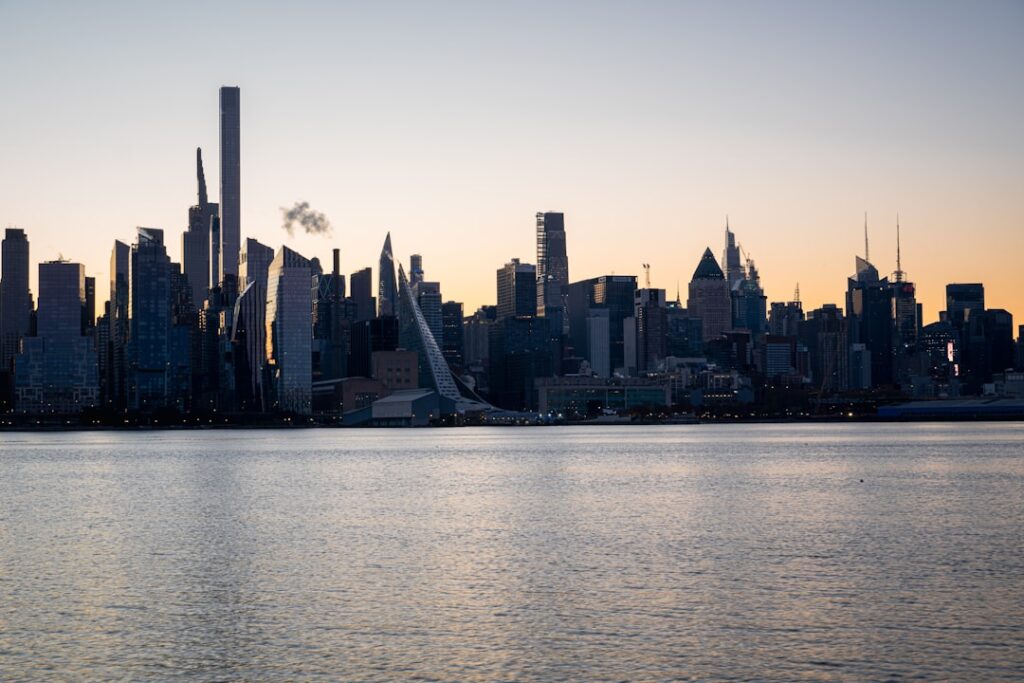
Image: GlobalBeat / 2026
Post-conflict reconstruction geopolitics: China builds Iraq ports as US troops guard oil fields
Muhammad Asghar | GlobalBeat
Iraqi officials announced that a Chinese state consortium will rebuild Basra’s main port under a $2.1 billion contract signed Monday, while 2,500 US soldiers remain stationed nearby to protect oil infrastructure.
The deal gives China a 25-year lease on two container terminals, placing Beijing in charge of the Gulf’s northern gateway three years after American forces helped suppress an Islamic State resurgence.
Reconstruction money now decides who holds sway in ruined cities from Mosul to Marib. Concrete, glass and fiber-optic cable have become the currency of influence once paid in guns and airstrikes.
Iraq’s Cabinet approved the port contract after months of lobbying by Beijing, Transport Minister Razzaq Muhibis told reporters. He said work begins next month to deepen berths and install automated cranes capable of handling 6 million containers annually, triple the current volume. The upgrade would make Basra the largest deep-water hub between Dubai and Suez, rerouting Asia-Europe freight through Iraq rather than the crowded Strait of Hormuz.
China Harbor Engineering Company leads the consortium, with financing from the Export-Import Bank of China at 2 percent interest over 20 years. Iraqi officials framed the terms as generous compared with Western lenders demanding 6 percent and full sovereign guarantees. “We chose the offer that rebuilds our country fastest,” Muhibis said.
Washington reacted coolly. Ambassador Alina Romanowski said the United States “supports Iraq’s recovery” but warned against arrangements that “create long-term dependency.” Pentagon spokesman Major Pete Nguyen confirmed no US troops will guard the port, noting their mission remains counter-Islamic State and protection of energy sites further north.
American forces deploy from al-Asad airbase 150 kilometers northwest, guarding pipelines feeding refineries near Haditha. That leaves China responsible for securing its own investment at Basra, where rocket attacks by pro-Iran militias have intensified since January. Two Chinese engineers were wounded last week when a drone exploded beside their accommodation barge.
Basra governor Asaad al-Eidani said a new high-walled compound will house 400 Chinese staff alongside Iraqi police. “We cannot allow political factions to chase investors away,” he said. Local unemployment hovers at 35 percent, and 800 Iraqis will be hired for construction, half that number for operations once cranes start moving.
The contract contains a clause allowing Chinese courts to arbitrate commercial disputes, a provision that angered parliament’s integrity committee. member of parliament Sarkawt Shams said the clause “hands sovereignty to Beijing,” but conceded lawmakers are unlikely to block a project that promises 12,000 indirect jobs.
Beijing has already spent $11 billion rehabilitating power plants, schools and highways destroyed during the war against Islamic State, according to Chinese embassy figures. Iraq now sends 30 percent of its oil exports to China, up from 18 percent in 2020, making Beijing the top buyer of Iraqi crude.
Other powers are crowding in. South Korea’s Samsung won a $1.2 billion deal to rebuild Mosul airport, while France’s TotalEnergies plans a $7 billion cluster of solar farms and gas processing around Basra. Each project comes with security demands that strain Iraq’s federal police, still conducting raids on sleeper cells in western deserts.
Russia’s Rostec offered to modernize army bases in Anbar province last October, pairing weapons sales with power generators for nearby towns. Baghdad has not answered, wary of US sanctions on Russian defense firms. Italy keeps 800 soldiers at a NATO training hub near Erbil, mentoring Kurdish peshmerga who hold sections of the disputed internal boundary.
The United Nations calculates Iraq needs $88 billion for full reconstruction after 20 years of war. Donors pledged $30 billion at a Kuwait summit in 2018, but only $7 billion arrived as graft scandals chased investors. Prime Minister Mohammed Shia al-Sudani has vowed tougher anti-corruption laws, yet Transparency International still ranks Iraq 154th of 180 states.
Militias profit where ministries lag. Kata’ib Hezbollah controls cement imports through a front company, said a former trade ministry adviser who asked not to be named. The group allegedly demands $2 per tonne “handling fee” at border crossings, inflating costs for Chinese suppliers who must factor protection money into bids.
Background
Since 2003 the United States has spent $60 billion rebuilding Iraq, the largest civilian stabilization program since the Marshall Plan. Electricity output today is barely above pre-invasion levels, and potable water reaches only 62 percent of households nationwide, according to the World Bank. Critics blame shifting American priorities: counter-insurgency from 2004 to 2011, then oil security after Islamic State captured Mosul in 2014.
China arrived later with deeper pockets and no combat legacy to defend. Beijing forgave $10 billion of Saddam-era debt in 2010, earning diplomatic goodwill that paved the way for energy concessions. The Belt and Road Initiative, launched in 2013, re-labeled Iraqi ports as “Silk Road terminals,” marketing geography that links Asia to Europe through rail lines once dreamed up by Ottoman planners.
What’s Next
Sudani will travel to Washington next month seeking renewal of a US civilian waiver that lets Iraq import Iranian electricity without sanctions. Congressional aides told GlobalBeat any extension will be tied to limits on Chinese infrastructure access, setting up a tug-of-war over Baghdad’s loyalties. After the port groundbreaking, Iraqi ministers plan roadshows in Riyadh and Abu Dhabi hoping Gulf investors dilute Chinese dominance before contracts calcify into spheres of influence.
The winner of next year’s election will inherit a coastline increasingly dotted with foreign enclaves, each flying its own flag above blast walls. Whoever commands those cranes, and the customs revenue they generate, will decide whether Iraq becomes a bridge or a bargaining chip between rival powers.
Senior Correspondent, World & Geopolitics
Muhammad Asghar covers international affairs, conflict zones, and US foreign policy for GlobalBeat. He has reported on events across the Middle East, South Asia, and Eastern Europe, with a focus on the intersection of diplomacy and armed conflict. He has been writing wire-service journalism for over a decade.