Geopolitics experts call for Global South to lead push for lasting Middle East peace
Experts urge Global South states to spearhead new Middle East peace initiative, citing waning Western leverage.
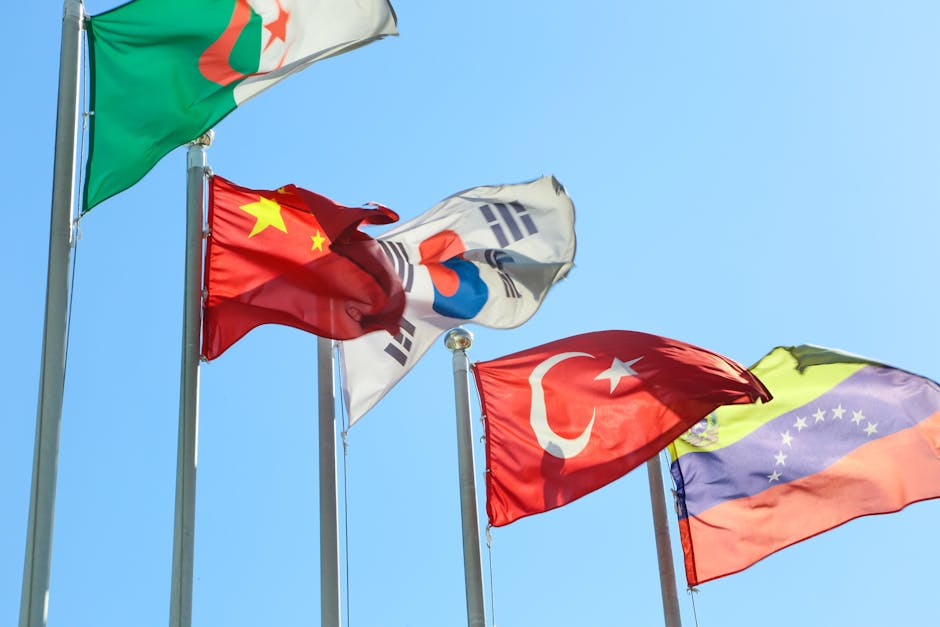
Image: GlobalBeat / 2026
Global South Middle East summit demands end to Gaza war, charts independent peace road
Muhammad Asghar | GlobalBeat
Colombo hosted 200 scholars from 42 developing nations on Tuesday to draft a non-Western blueprint for Middle East peace.
The closed-door meeting produced the “Colombo Call” — a 12-point plan urging Brazil, India, South Africa and Indonesia to form a contact group separate from Washington and Brussels.
Frustration with Western-led diplomacy hit a new peak after 6 months of Israeli bombardment killed more than 34,000 Palestinians and failed to free remaining hostages, participants told GlobalBeat.
Brazilian diplomat Marcos Galvão opened the session with a blunt assessment. “The current pecking order has delivered seventy-five years of recurring war,” he said. “What we need is a table big enough for the South to sit at, not just to serve coffee.”
The gathering marked the first time think-tank networks from Latin America, Africa and Asia pooled resources on a Middle East dosser long monopolised by the UN Security Council’s five permanent members.
Indian ocean-state Sri Lanka provided the venue but kept a low profile after its own IMF bailout left foreign policy bandwidth thin. Nevertheless, President Ranil Wickremesinghe dropped in for the final communique, signalling Colombo’s willingness to back the initiative diplomatically.
Background
South-South coalitions have historically shunned Middle East mediation, viewing the conflict as a North Atlantic fixation with oil routes. That stance cracked in 2023 when Saudi Arabia and Iran restored ties through Beijing-brokered talks, proving great-power forums can be bypassed. The Gaza war accelerated the shift; African and Asian states condemned Israel at the UN General Assembly by margins unseen in previous flare-ups, while Egypt struggled to cope with 1.4 million displaced Palestinians on its border.
The Non-Aligned Movement, born in 1961 to cushion Cold War fault lines, still exists but is widely seen as a talking shop. Analysts say the new push wants teeth: observer status at cease-fire talks, humanitarian corridors financed by sovereign funds and a roster of “neutral” surgeons, engineers and forensic teams deployable within 48 hours.
What’s Next
Organisers will shop the Colombo Call at the BRICS foreign ministers’ meeting in Cape Town on 15 April and again at the Afro-Arab summit in Bahrain next month. If either body endorses the text, backers plan to request a UN General Assembly hearing before the August holidays, betting that Washington cannot veto a resolution drafted outside the Security Council.
Indonesia volunteered to host a follow-up conference in Jakarta this autumn focused on post-war reconstruction finance. South African officials said they would press the International Criminal Court to issue arrest warrants “based on evidence gathered by Southern investigators” rather than European NGOs, aiming to blunt claims of Western judicial bias.
Regional capitals are watching for signs that Gulf donors will bankroll the scheme. Qatar already channels Gaza aid through Turkish and UN agencies; switching to a Brazil-India led consortium would mark a notable realignment of donor leverage.
Riyadh has signalled “openness” but conditioned support on inclusion of the Saudi 2002 Arab Peace Initiative language recognising Israel after Palestinian statehood. Analysts warn that demand could splinter the Global South caucus given Havana and Pretoria’s refusal to normalise ties with Tel Aviv under current circumstances.
Washington reacted coolly. State Department spokesperson Vedant Patel told reporters the US “welcomes supplementary diplomacy” but insisted “no pathway bypasses direct Israeli-Palestinian negotiations.” European diplomats privately questioned whether emerging economies can match the technical expertise of the Quartet — the US, EU, UN and Russia — that has steered peace efforts since 2002.
Israel’s foreign ministry declined to comment on the proposal. Palestinian envoy to Colombo, Zuhair Mdanat, endorsed the plan “provided it delivers pressure to end occupation, not merely manage humanitarian fallout.”
Analysts caution the greatest hurdle remains arm-twisting capacity. “The US writes Israel’s cheques for military aid; South Africa doesn’t,” said Nirj Deva, a former Sri Lankan MP and UN peace envoy. “Until someone in the South matches that financial leverage, Tel Aviv can simply nod politely and move on.”
Others argue credit markets offer underused clout. Brazil’s development bank holds $10 billion of Israeli bonds; Indonesia’s state pension funds own a further $4 billion. A coordinated sell-off, while unlikely, would spike Israel’s borrowing costs within hours.
The Colombo meeting ended with agreement to create a WhatsApp-based “rapid alert” network of foreign-ministry officials to share satellite imagery and casualty data, bypassing Western-controlled proprietary systems. Participants say speedier evidence pooling could shape ICC cases or UN fact-finding missions before narratives ossify.
Whether such tools translate into peace remains uncertain. What is clear is that the Global South no longer wants to watch from the hallway while others decide the region’s fate.
Senior Correspondent, World & Geopolitics
Muhammad Asghar covers international affairs, conflict zones, and US foreign policy for GlobalBeat. He has reported on events across the Middle East, South Asia, and Eastern Europe, with a focus on the intersection of diplomacy and armed conflict. He has been writing wire-service journalism for over a decade.