Global Business Warns of Economic Instability, Urges WTO Reform | 2026
Global business coalition warns WTO rules fuel instability, demands urgent reform to avert 2026 trade fragmentation.
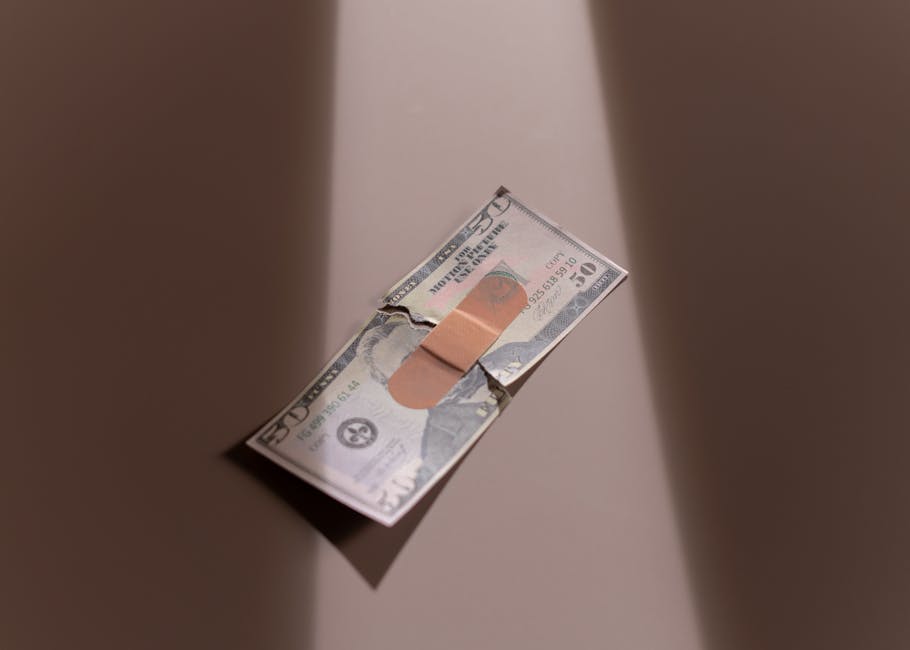
Image: GlobalBeat / 2026
Global economic instability 2026: WTO reform talks collapse as 47 nations demand new trade rules
Global business leaders warned the World Trade Organization summit in Geneva that world merchandise trade volume will shrink 2.7% in 2026 unless members rewrite subsidy and tariff rules by March 1.
Failure would trigger “a cascade of retaliatory measures” covering $4.8 trillion in annual commerce, International Chamber of Commerce secretary-general John Denton told ministers on Tuesday.
The alert comes as supply-chain disruptions from the Red Sea crisis and United States tariff threats push freight rates to 18-month highs. The WTO last updated its core subsidy accord in 1995.
A 47-nation coalition led by Australia, Brazil and Kenya tabled a 32-page draft that would tighten farm subsidies, cap industrial rebates and create a fast-track dispute panel. The European Union and United States blocked the text, diplomats said.
“The current rule book allows Beijing to pump $90 billion a year into steel and solar panels while lecturing others on climate,” Australian trade minister Don Farrell told reporters.
Chinese commerce vice-minister Li Chenggang countered that “developed members refuse to phase out cotton subsidies worth $6 billion that distort global prices,” according to a delegation handout.
WTO director-general Ngozi Okonjo-Iweala adjourned talks until February 17 after 12 hours of stalemate. “We are 800 days without a functioning appellate body,” she reminded delegates.
Singapore-based freight forwarder DHL Express said Red Sea diversions add 14 sailing days between Asia and Europe, lifting spot container rates to $3,900 per forty-foot box, up 78% since October.
Maersk chief executive Vincent Clerc warned clients that surcharge increases “could last until the second half of 2026” if cease-fire talks in Gaza collapse.
India announced retaliatory tariffs on 57 U.S. products worth $1.2 billion effective March 15 unless Washington exempts New Delhi from planned steel duties. Canada threatened mirror measures on $15 billion of EU cheese and machinery.
U.S. Trade Representative Jamieson Greer said President Trump would sign an executive order before April 1 imposing 25% tariffs on cars that fail to meet 75% North-American content rules.
African Union trade commissioner Albert Muchanga said failure to curb cotton subsidies “costs Mali, Burkina Faso and Chad $1.8 billion annually,” equivalent to 4% of their combined GDP.
The International Monetary Fund estimated that erosion of WTO rules could shave 0.8 percentage points off global GDP growth in 2026, pushing output losses to $1.3 trillion.
Chip-equipment maker ASML told investors export-control uncertainty already trimmed 2026 order forecasts by 10%, or €2.4 billion. South Korea’s Samsung said memory prices rose 21% last month on supply anxiety.
European Central Bank president Christine Lagarde told lawmakers that “fresh trade frictions could add 0.5 percentage points to euro-area inflation next year,” complicating planned rate cuts.
American retailers forecast the average U.S. household will pay an extra $1,700 for appliances, clothing and toys in 2026 if supply routes stay disrupted, according to a National Retail Federation survey.
A leaked draft communiqué circulated among delegates listed three priorities: capping agricultural subsidies at 5% of production value, halving fishery subsidies by 2028 and appointing appellate judges by June. None have unanimous support.
China insists any deal must label it a “developing economy,” shielding Beijing from deeper subsidy cuts. The United States argues China’s $17.7 trillion economy can accept stricter rules.
British trade minister Douglas Alexander warned that “without a March breakthrough we face a spaghetti bowl of bilateral deals that discriminate against smaller economies.”
Sri Lankan ambassador Himalee Arunatilaka said her country spends 65% of merchandise export earnings on food and fuel imports, so “even a 1% price swing equals our education budget.”
Background
The WTO was founded in 1995 to replace the 1948 General Agreement on Tariffs and Trade. Its appellate body, the final court for trade disputes, stopped functioning in 2019 when the United States blocked judge appointments, citing “overreach.”
Members have since imposed 231 new export restrictions, mostly on food, medical gear and semiconductors, according to Global Trade Alert. World merchandise trade volume grew only 0.2% in 2023, the weakest since 1982 except for 2009.
What’s Next
Delegates must submit revised draft texts by February 17. Failure puts the next ministerial conference, scheduled for June in Abu Dhabi, at risk of collapse and could prompt major powers to pursue regional pacts outside WTO rules.
Investors will watch U.S. Commerce Department semiconductor subsidy guidelines due April 3 and the EU’s proposed carbon border tariff expansion in July for early signals of whether governments prefer unilateral tools over multilateral accords.