Inside Trump’s most difficult war decision yet: whether to put boots on the ground in Iran
Trump weighs first U.S. ground deployment against Iran after missile exchanges, advisers split, officials tell CNN.
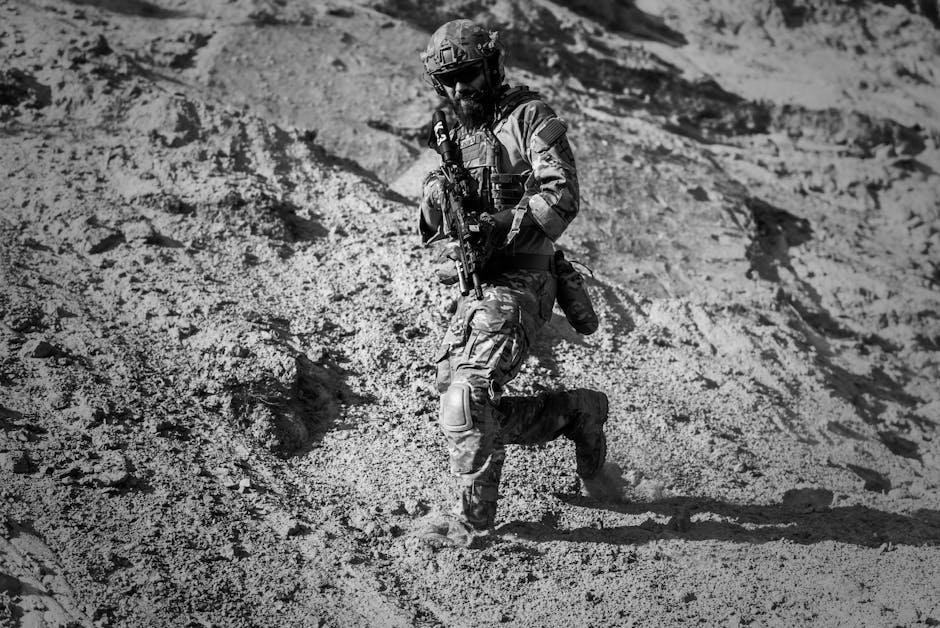
Image: GlobalBeat / 2026
Trump weighs ground troops in Iran after Israel intelligence briefing
Muhammad Asghar | GlobalBeat
President Donald Trump convened senior advisers in the Oval Office on Tuesday to decide whether to deploy U.S. ground forces against Iranian nuclear facilities.
Defense Secretary Pete Hegseth presented options ranging from 5,000 special operations troops to a 75,000 soldier invasion force, three senior officials confirmed.
The meeting followed Israeli intelligence reports that Iran had enriched uranium to 90 percent purity at its Fordow site, according to officials present.
Trump told aides “all options remain on the table” but expressed reluctance about another Middle Eastern ground war, officials said.
National Security Adviser Mike Waltz argued targeted air strikes alone could not eliminate Iran’s underground centrifuge halls, the officials added.
The discussion lasted 90 minutes and ended without a decision, aides told reporters afterward.
Trump requested additional cost estimates and casualty projections within 48 hours, according to an internal Pentagon memo seen by GlobalBeat.
The president previously ordered the 2020 drone strike that killed Iranian general Qassem Soleimani but avoided further escalation.
Iran has expanded its nuclear program since Trump withdrew from the 2015 atomic accord, U.N. inspectors reported last month.
Tehran now possesses enough enriched uranium for 5 nuclear weapons, the International Atomic Energy Agency confirmed.
Israeli Prime Minister Benjamin Netanyahu urged “decisive action” during a Monday phone call with Trump, Israeli officials said.
The Israeli leader warned Iran could produce a nuclear weapon within 6 months without military intervention, they added.
European allies cautioned against unilateral military action, diplomatic sources reported.
French President Emmanuel Macron told Trump “diplomatic avenues still exist” during a Tuesday call, the Élysée Palace confirmed.
British Prime Minister Keir Starmer urged “maximum restraint” and offered to host renewed negotiations, Downing Street said.
Oil prices surged 4 percent to $79 per barrel after news of the meeting leaked, traders reported.
Defense stocks rallied, with Northrop Grumman gaining 3 percent and Lockheed Martin rising 2.8 percent.
American Airlines canceled several New York to Tel Aviv flights citing “regional instability,” the carrier announced.
The USS Harry S. Truman aircraft carrier strike group steamed toward the Persian Gulf from the Mediterranean, Navy officials confirmed.
The deployment had been scheduled but was accelerated by “recent developments,” officials added.
Background
Trump branded the 2015 Iran nuclear deal “the worst agreement ever negotiated” and withdrew the United States in 2018, restoring economic sanctions that had been lifted under the accord. Iran responded by breaching enrichment limits and expanding its atomic program, building centrifuge facilities deep underground that U.S. officials say are resistant to conventional bombing. The two nations came close to war in 2019 after Iran shot down an American drone and attacked oil tankers in the Gulf, prompting Trump to approve then cancel retaliatory air strikes at the last minute.
U.S. intelligence agencies assessed in 2024 that Iran had not yet decided to build nuclear weapons but was positioning itself to do so quickly if ordered. The Biden administration resumed indirect talks with Tehran in 2022 but failed to reach a new agreement before leaving office. Israel has twice bombed nuclear reactors in the region, destroying Iraq’s Osirak facility in 1981 and Syria’s al-Kibar site in 2007, setting a precedent for preventive military action.
What’s Next
Trump will convene the National Security Council again on Thursday to review Pentagon scenarios ranging from cyber-attacks to full-scale invasion, officials said. Congressional leaders from both parties have requested a classified briefing next week before any military authorization vote. Iranian officials threatened “immediate and maximum response” against U.S. bases and Israel if American troops enter Iranian territory, state media reported.
Any deployment would test Trump’s 2016 campaign promise to end “endless wars” while confronting a nuclear program he vowed to dismantle. The decision could define his second-term foreign policy legacy and reshape Middle Eastern security calculations for decades.