Not a Deal-Breaker: White House Downplays Iranian Action Near the Strait
White House says Iranian naval activity near Strait of Hormuz poses no immediate threat to nuclear talks.
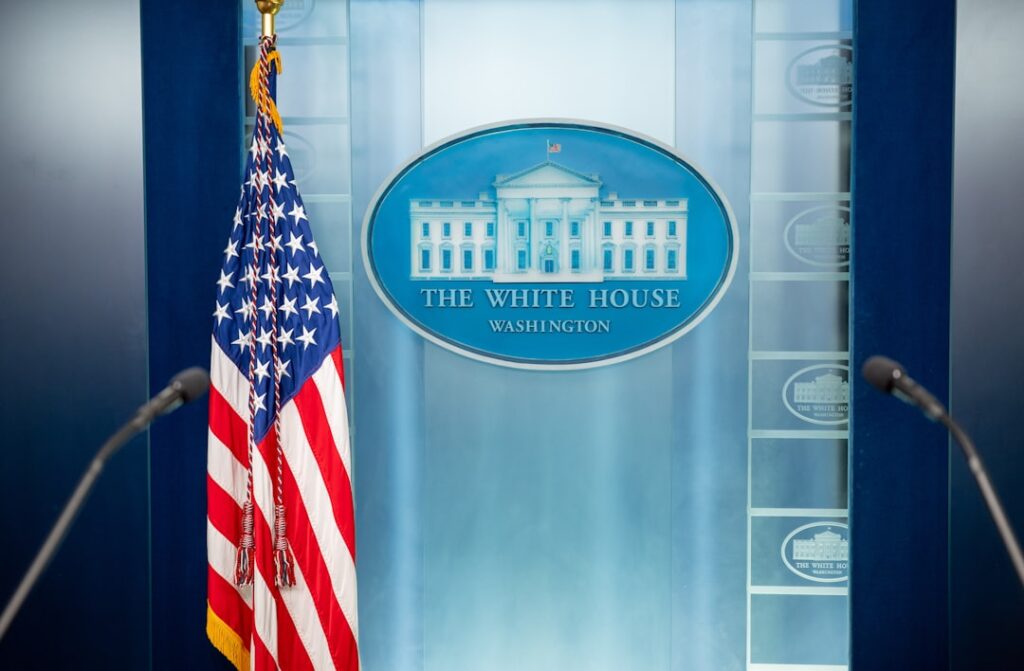
Image: GlobalBeat / 2026
Iran Strait tension: White House signals tanker incidents won’t derail nuclear talks
Muhammad Asghar | GlobalBeat
Iranian speedboats shadowed three commercial vessels approaching the Strait of Hormuz on Tuesday.
White House national-security spokesman Brian Hughes told reporters the manoeuvres were “not a deal-breaker” for the ongoing Vienna negotiations over Tehran’s nuclear programme.
The phrase marked a deliberate attempt to stop any slide toward confrontation. Three weeks ago US and Iranian envoys resumed indirect talks in Vienna after a 15-month freeze; both capitals say a framework agreement could emerge by mid-May.
Iranian naval commanders said the patrol stopped “unauthorised entry” into territorial waters. The US Navy’s Bahrain-based Fifth Fleet countered that the tankers were in Omani waters and never crossed Tehran’s 12-mile limit. No shots were fired, but the speedboats came within 200 m of the Liberian-flagged tanker Alpine Eternity, according to maritime tracker Lloyd’s List Intelligence.
Shipping insurers reacted first. The London-based War Risks Committee added $150,000 to daily premiums for every very-large crude carrier that loads in the Persian Gulf after Iran’s announcement. Energy traders said the move will add roughly 35¢ to the cost of a barrel of Brent crude.
The spiral felt familiar. July 2019 saw six tankers damaged by limpet mines; the US blamed Iran. January 2020 retaliatory strikes followed. This time Washington’s language stayed cool. Hughes said President Donald Trump “wants to give diplomacy every chance to succeed” and would reserve military options only for “actual violence, not shadowing”.
Tehran’s calculus is shaped by sanctions relief. Under the 2015 nuclear deal Iran exported 2.5 million barrels a day; last month the figure was 680,000, according to Kpler tanker data. Government revenue is down 42% since 2022, pushing inflation above 45%. Iranian officials argue that even partial relief could add $20 billion in hard currency within 12 months.
On Capitol Hill the incident revived Republican criticism of the Vienna channel. Senator Tom Cotton, an Arkansas Republican, said “any cash infusion for Tehran is ransom money that will finance exactly these kinds of threats”. Democratic Senate leader Chuck Schumer urged the White House to brief lawmakers within 48 hours, saying “Congress must see evidence that deterrence is not being diluted”.
European diplomats, shuttling between the two sides, privately welcomed the US restraint. “If either party fires a warning shot the talks collapse,” a senior EU official told reporters on condition of anonymity. The sixth round of meetings is scheduled for 29 April in Vienna’s Palais Coburg, where Iranian and US delegations will again trade paper proposals through EU intermediaries.
Oil markets had already priced in risk after Israel’s 19 April strike on Iran’s Isfahan radar site. Brent crude rose 1.4% to $74.90 on Tuesday, but traders said most of the gain reflected European refinery restocking, not the Strait incident. “If there’s no repeat boarding this will be forgotten in a week,” RBC Capital’s Helima Croft wrote in a client note.
Background
The Strait of Hormuz, only 33 km wide at its narrowest, carries 21% of global petroleum trade. Iran has threatened to close the waterway in every major confrontation since 1984, when the “tanker war” phase of the Iran-Iraq war sank 190 vessels.
Trump pulled the United States out of the 2015 nuclear accord in May 2018 and reimposed sanctions that erased half of Iran’s oil exports. Tehran responded in 2019 by disabling or seizing at least six tankers, prompting the Pentagon to launch a multinational maritime-security effort that still patrols the gulf.
What’s Next
Iranian and US envoys will return to Vienna on 29 April with a narrow agenda: capping Iranian enrichment at 20% in return for releasing $7 billion in frozen oil revenue held in South Korean and Iraqi banks.
The tanker encounter did not escalate, but it revealed how quickly a misread radar blip could sink the fragile diplomacy that both sides now insist is their preferred path.
Senior Correspondent, World & Geopolitics
Muhammad Asghar covers international affairs, conflict zones, and US foreign policy for GlobalBeat. He has reported on events across the Middle East, South Asia, and Eastern Europe, with a focus on the intersection of diplomacy and armed conflict. He has been writing wire-service journalism for over a decade.