Iran Has Found Another Achilles’ Heel Lurking Beneath Strait Of Hormuz
Iran discovers new undersea vulnerability threatening oil shipping in Strait of Hormuz, sources tell Reuters.
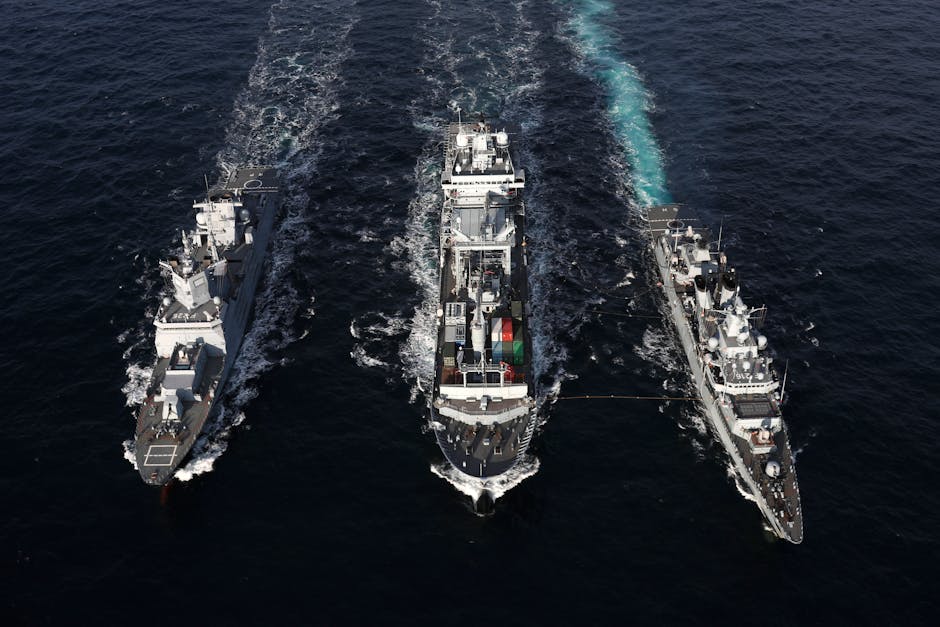
Image: GlobalBeat / 2026
Iran Hormuz threat: Tehran targets undersea oil pipelines with new drone base
Muhammad Asghar | GlobalBeat
Iran’s military has established a submarine drone base aimed at disrupting oil pipelines running beneath the Strait of Hormuz, Iranian state media reported Monday.
The base near Bandar Abbas houses 100 unmanned underwater vehicles capable of hitting the 2 million barrel-per-day East-West Pipeline system, according to navy commander Shahram Irani. The facility opens a new front in Tehran’s long-running threats to choke global energy supplies through the 21-mile waterway.
One third of the world’s seaborne oil passes through Hormuz. For decades Iran has threatened to mine the surface lanes or deploy speedboats against tankers. The undersea dimension had remained largely theoretical until now.
Irani told reporters the drones can operate at depths of 1,000 meters and carry “specialized warheads” against both pipelines and the fiber-optic cables that carry trading data between Dubai and Mumbai. He did not specify the drone range or say whether any had been tested outside Iranian waters.
Saudi officials declined immediate comment. Riyadh’s main East-West Pipeline carries crude from fields in the east to refineries on the Red Sea coast, providing an alternative export route should Hormuz close. Smaller spur lines serve UAE ports at Fujairah, the region’s largest bunkering hub.
US Navy’s 5th Fleet, headquartered in Bahrain, said it was “aware of Iran’s claims” and would continue defensive patrols with regional partners. A spokesman, Commander Tim Hawkins, told GlobalBeat the fleet maintains “undersea surveillance capabilities” but gave no operational details.
Oil markets shrugged off the announcement. Brent crude rose 37 cents to $77.82 in London trading, a muted response traders attributed to ample onshore stockpiles in China and the United States. Analysts warned any confirmed sabotage would send prices above $100 within hours.
“It’s the supply routes you can’t see that scare us most,” said Amena Bakr of Energy Aspects in Dubai. “Surface mines can be swept. A puncture at 300 meters depth takes weeks to locate and repair.”
The drone base sits 12 kilometers inland from Bandar Abbas naval docks, satellite images from Planet Labs show. Construction started last winter on a site previously used for missile storage, according to Israeli intelligence firm ImageSat International. New berths and a covered slipway suggest launch and recovery operations, the firm said.
Tehran has invested heavily in asymmetric naval weapons since the 1980s tanker war with Iraq. Revolutionary Guards operate hundreds of fast attack craft and stockpile Chinese-designed sea mines. The addition of submarine drones reflects lessons from Ukraine’s Black Sea campaign against Russian warships, said Farzin Nadimi of the Washington Institute.
“The Iranians watch the same open-source footage we do,” Nadimi said. “Cheap unmanned systems have put a major fleet on the defensive. Hormuz is even shallower than the Black Sea, ideal for swarming tactics.”
Washington and Tehran have barely spoken since President Donald Trump withdrew from the 2015 nuclear accord and reimposed sweeping sanctions. Indirect talks in Oman last month ended without progress, European diplomats said. The drone announcement lands days before French President Emmanuel Macron travels to Riyadh to discuss a backup maritime security coalition.
Israel regards the drones as a direct threat to its own energy exports now flowing via an overland pipeline to Eilat. Defense Minister Israel Katz warned any Iranian move against regional energy infrastructure “would trigger an overwhelming response.” Israel struck missile depots near Bandar Abbas in 2024 after a drone attack on an Israeli-owned tanker off Oman.
India, which imports 80 percent of its crude, issued a shipping advisory urging tankers transiting Hormuz to maintain “maximum vigilance” and file advance passage plans. New Delhi keeps a destroyer and two frigates on permanent station in the Arabian Sea as part of its maritime security plan.
Insurance underwriters in London raised the war-risk premium for tankers calling at Kuwait, Qatar and UAE ports by 25 percent, ship brokers said. The additional cost equals roughly $50,000 per supertanker voyage, typically passed to consumers through higher pump prices.
Background
Iran has threatened to close Hormuz repeatedly since the 1979 revolution but never carried out the threat outright. Mines damaged several tankers during the 1980-88 war with Iraq, prompting US-led convoy operations. In 2019 limpet mines hit Japanese and Norwegian vessels amid a standoff over Trump’s sanctions, an incident Washington blamed on the Revolutionary Guards.
The 2021 hijacking of the asphalt tanker Mercer Street off Oman by an Iranian drone killed a British security guard and a Romanian crew member. Israel and Britain responded with a joint missile strike on an Iranian drone depot at Konarak, killing 2 Guards personnel.
What’s Next
US Central Command will stage its annual International Maritime Exercise in the Arabian Gulf starting 26 May with 50 nations participating. Coalition divers will practice pipeline repair scenarios for the first time, organizers said. Tehran has not announced whether its new drones will take part in its own parallel drills scheduled for early June.
The revelation exposes a 600-mile stretch of Saudi and Emirati pipelines previously thought secure beneath 50 meters of water. European refineries now rely on those pipes for 1.2 million barrels daily after cutting purchases of Russian crude. Expect frantic diplomacy this week as Riyadh, Brussels and Washington seek fresh security guarantees from Tehran that no one believes will hold.
Senior Correspondent, World & Geopolitics
Muhammad Asghar covers international affairs, conflict zones, and US foreign policy for GlobalBeat. He has reported on events across the Middle East, South Asia, and Eastern Europe, with a focus on the intersection of diplomacy and armed conflict. He has been writing wire-service journalism for over a decade.