Hamas urges Iran to halt attacks on Gulf, slams aggression on Tehran
Hamas urges Iran to stop Gulf attacks while affirming Tehrans right to defend against Israel and U.S. aggression.
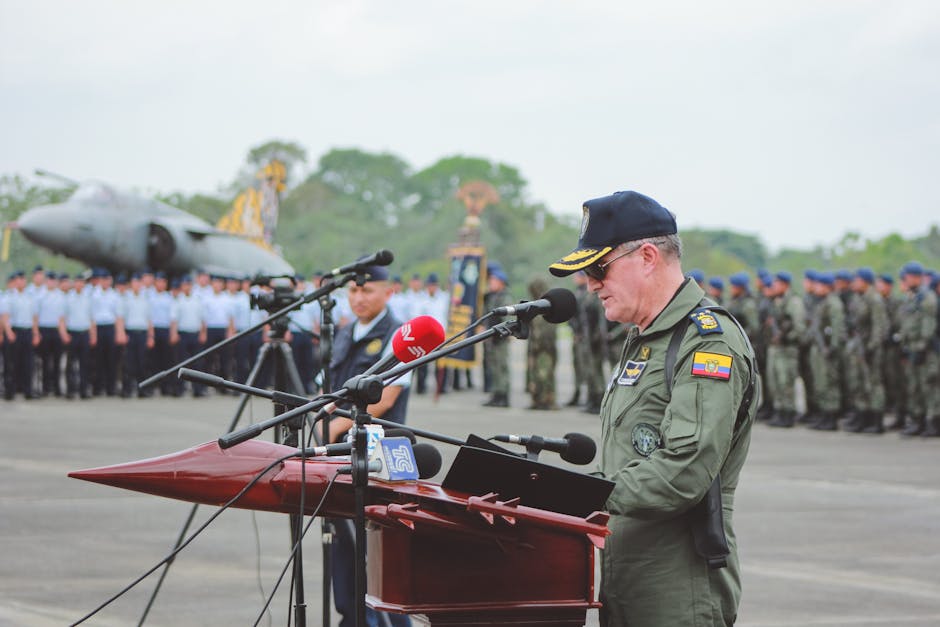
Image: GlobalBeat / 2026
Hamas Iran Gulf tensions escalate over regional attacks
Palestinian movement backs Tehran self-defense while opposing missile strikes on neighboring Arab states
Muhammad Asghar | GlobalBeat
📌 KEY FACTS
• Hamas urges Iran to stop targeting Persian Gulf states while supporting defensive actions against Israel/US
• Palestinian group’s stance affects 50 million Gulf Arabs caught between regional powers
• Both Hamas and Iran involved in ongoing conflict with Israel, but diverge on Gulf strategy
• Statement follows series of Iranian missile strikes across Middle East
• Hamas rarely criticizes primary financial and military backer Iran
Saturday night phone calls between Hamas leaders in Doha and Iranian officials revealed the Palestinian movement’s growing discomfort with Tehran’s regional military strategy.
The Gaza-based organization’s unusual public stance reflects mounting pressure from Gulf Arab states that have historically provided financial support to Palestinian causes. Hamas maintains strong ties with Iran, receiving an estimated $70 million annually, while simultaneously cultivating relationships with Gulf benefactors including Qatar and former allies in Saudi Arabia.
Hamas walks diplomatic tightrope
Ismail Haniyeh’s political bureau issued the carefully-worded statement after weeks of internal debate, according to sources familiar with the discussions. The movement faces an impossible balancing act—maintaining Iranian military and financial support essential for Gaza reconstruction while preserving relationships with Gulf donors appalled by regional instability.
Senior Hamas officials privately expressed concern that continued Iranian attacks on Gulf targets undermine Palestinian diplomatic efforts in Arab capitals, multiple sources confirming discussions said.
The statement specifically condemned targeting “brotherly Arab states” while maintaining support for “legitimate resistance against Israeli occupation.” This distinction reflects Hamas’s attempt to separate Iranian defensive actions from offensive operations affecting Arab populations uninvolved in the conflict.
Gulf allies shift positions
Mohammed al-Masri, a Gaza-based political analyst, notes this represents Hamas’s first public criticism of Iranian regional policy despite fifteen years of military cooperation. The timing suggests increasing Gulf pressure on Palestinian factions to distance themselves from regional escalation.
Relations between Hamas and Gulf states deteriorated significantly after 2017, when Saudi Arabia and allies imposed blockade on Qatar, principal Hamas patron, analysts told GlobalBeat.
The Abraham Accords fundamentally altered regional dynamics, with UAE and Bahrain establishing formal ties with Israel while maintaining rhetorical support for Palestinian statehood. Hamas fears diplomatic isolation if perceived as complicit in Iranian attacks against newly-Israel-aligned Gulf states.
Strategic calculations behind rare dissent
Tehran’s military support includes advanced missile technology and tactical training for Hamas’s Al-Qassam Brigades, according to regional security assessments. Conservative estimates suggest 30% of Hamas’s annual budget originates from Iranian sources, creating financial dependency that limits criticism.
Hamas officials calculated that muted criticism preserves essential Iranian backing while signaling to Gulf partners readiness for pragmatic engagement, diplomatic sources familiar with discussions revealed.
The Palestinian group’s calculus reflects broader regional realignment, where traditional alliances compete with emerging partnerships. Saudi Arabia’s potential normalization with Israel adds urgency to Hamas’s diplomatic repositioning.
Tehran’s response remains measured
Iranian Foreign Ministry spokesperson Nasser Kanaani acknowledged Hamas’sconcerns during Monday press briefing but defended Tehran’s regional activities as defensive measures against Israeli and American aggression. The restrained response suggests Iran recognizes limits of Palestinian partner’s regional constraints.
Iran will likely continue military support despite criticism, calculating that Hamas dependence outweighs diplomatic disagreements, regional analysts projected.
The Islamic Revolutionary Guard Corps maintains separate channels with Hamas military wing, potentially bypassing political leadership objections. Iranian officials privately dismiss Palestinian political concerns, focusing on strategic military alliance against shared adversaries.
Human costs of regional escalation
Sami Al-Arian’s three children asked why their father’s supermarket in Gaza suffers shortages whenever regional tensions spike. The answer lies thousands of kilometers away, where Persian Gulf shipping disruptions affect his suppliers’ ability to deliver basic goods. For ordinary Palestinians, diplomatic disagreements between their leaders and regional powers translate directly into empty shelves and soaring prices.
International implications ripple outward
British officials monitoring regional developments report increased diplomatic activity following Hamas’s statement. France has quietly encouraged Palestinian factions to maintain distance from Iranian military operations, while Russia offers to mediate between Tehran and Gulf states. Washington sees opportunity to drive wedge between Hamas and Iran, potentially weakening Tehran’s regional network ahead of anticipated nuclear negotiations.
What happens next
A regional summit planned for next month in Oman will test whether Hamas’s diplomatic repositioning produces tangible results. Gulf officials indicated willingness to restore financial support if Palestinian factions demonstrate genuine independence from Iranian regional agenda. Meantime, quiet diplomacy continues through Qatari channels, with proposals for renewed Arab League engagement on Palestinian statehood contingent on regional de-escalation.