Iran War Live Updates: Attacks Test Fragile Cease-Fire Amid U.S-Iran Negotiations
Fresh strikes shatter lull as U.S. and Tehran trade fire while diplomats scramble to salvage cease-fire talks.
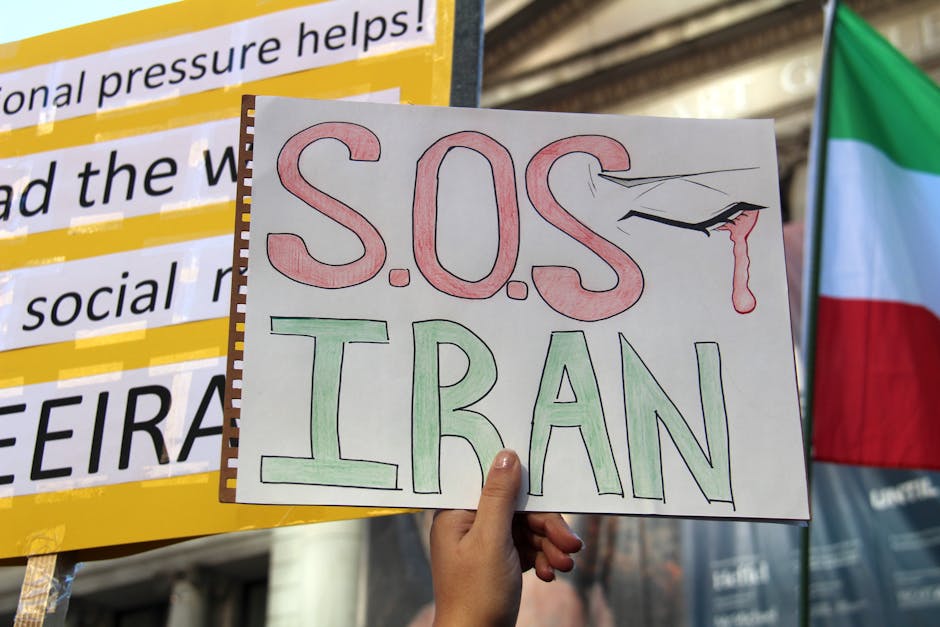
Image: GlobalBeat / 2026
Iran war news: Rocket fire hits U.S. base hours after cease-fire extended
By Muhammad Asghar | GlobalBeat
Multiple rockets struck Al-Asad airbase in western Iraq late Tuesday, wounding two American contractors and testing a fragile U.S.-Iran cease-fire that both sides had agreed to extend only six hours earlier.
The attack, confirmed by U.S. Central Command, landed 8 projectiles inside the perimeter at 23:42 local time and marked the first major breach since diplomats announced a 72-hour extension of informal talks in Muscat.
Washington and Tehran have spent 11 days trading strikes across Iraq, Syria and the Gulf while negotiators shuttle proposals on Iran’s nuclear program and prisoner releases. The tit-for-tat cycle has killed 19 U.S. personnel and at least 43 Iran-backed militiamen, according to Pentagon tallies, and pushed global oil prices up 14 percent.
President Donald Trump responded from the White House within 90 minutes. “We will hit back harder,” he told reporters, adding that “all options, including targets inside Iran,” remain on the table. Defense Secretary Pete Hegseth convened an emergency video call with regional commanders at 01:15 Wednesday, officials said, and the aircraft carrier USS Harry S. Truman was ordered to remain in the Gulf instead of transiting to the Mediterranean as previously scheduled.
Iran’s envoy to the United Nations, Amir Saeid Iravani, denied involvement and said Tehran “respects the pause” negotiated in Oman. Yet Kata’ib Hezbollah, an Iraqi faction with documented ties to Tehran’s Revolutionary Guards, praised the rocket salvo as “a natural response to American occupation” in a Telegram post that stopped short of claiming responsibility.
The Muscat talks had produced the first measurable drop in attacks since hostilities began on 28 April, when a suspected Israeli drone killed 7 people inside Iran’s Isfahan nuclear site. U.S. intelligence officials told lawmakers Tuesday that Iran initially retaliated with more than 60 one-way drones against American positions, then shifted to ballistic missiles once its proxies failed to penetrate base defenses.
Commercial satellite images taken Wednesday morning show fresh impact craters scattered between taxiways at Al-Asad, suggesting the rockets were equipped with cluster-warheads designed to spread shrapnel across aircraft dispersal areas. One C-130 transport sustained damage to its tail section, a U.S. defense official said on condition of anonymity because damage assessments remain incomplete.
Oil markets reacted instantly. Brent crude futures jumped $2.40 to $94.70 a barrel in Asian trade, the highest since October, while shipping insurers raised war-risk premiums for vessels transiting the Strait of Hormuz by 35 percent. Kuwait’s state refiner announced it is halting spot cargo purchases “until the security picture clarifies,” and India’s Oil Ministry ordered state processors to cut Iranian imports by half in April, traders told GlobalBeat.
European diplomats scrambled to salvage negotiations. EU foreign-policy chief Kaja Kallas called Iranian Foreign Minister Abbas Araghchi at 06:00 Vienna time and urged “maximum restraint,” according to a read-out. France, Germany and Britain jointly warned the UN Security Council they may trigger the so-called snap-back of multilateral sanctions if Iran is found to have ordered the base strike.
Inside Iraq, Prime Minister Mohammed Shia al-Sudani faces pressure from both sides. Parliament’s Iran-aligned Fatah bloc demanded an immediate vote to expel the 2,500 remaining U.S. troops, while the Kurdish and Sunni blocs warned withdrawal would leave Iraq exposed to Islamic State resurgence. Al-Sudani’s office issued a carefully worded statement that condemned “any attack on Iraqi soil” without naming a perpetrator, exposing the government’s delicate balancing act.
Washington has already repositioned forces. Two B-1B bombers landed at Al-Udeid airbase in Qatar overnight, joining 4 F-22 fighters rushed to the region last week. A senior administration official, speaking on background, said the Pentagon presented Trump with target packages inside Iran ranging from coastal radar sites to Revolutionary Guard training camps, but the president withheld authorization “to give diplomacy one last shot.”
Background
The current flare-up is rooted in the April 19 Israeli drone strike on an Isfahan enrichment hall, which Tehran blamed on U.S. intelligence sharing despite Washington’s denial. Iran responded with the largest direct missile volley against American bases since the 2020 Ain al-Assad attack that followed Qasem Soleimani’s killing. Trump, returning to the White House in January 2025, had vowed to secure a “longer and stronger” nuclear deal than the 2015 accord he abandoned in 2018, but talks in Riyadh and Muscat stalled over Tehran’s demand that all sanctions imposed since 2017 be lifted immediately.
The United States maintains roughly 30,000 troops across the Middle East, down from 70,000 five years ago, yet still operates the Patriot batteries and X-band radar network that protect Gulf monarchies from Iranian missiles. Since 2022 Tehran has enriched uranium to 83 percent, just shy of weapons grade, while stockpiling an estimated 180 kilograms of the material, enough for 3 bombs if further refined, according to the latest International Atomic Energy Agency report.
What’s Next
Omani mediators have invited both delegations to remain in Muscat through Friday, but a senior State Department official told traveling reporters the U.S. team will leave “within 24 hours unless Iran offers concrete steps to rein in its proxies.” Meanwhile, the Pentagon has pre-loaded strike coordinates and awaits only presidential sign-off; officials expect a decision before markets open in New York if another attack causes American fatalities.
Any broader confrontation would ripple through global energy markets just as summer demand peaks. Analysts at RBC Capital warn that even a limited 10-day disruption of Iranian exports could push Brent above $110 a barrel, adding roughly 35 cents to U.S. gasoline prices and complicating the Federal Reserve’s inflation fight ahead of November’s midterm elections. Congress has received closed-door briefings on contingency plans for releasing Strategic Petroleum Reserve barrels, but lawmakers remain split over whether such a move would embolden Tehran or stabilize markets.
Senior Correspondent, World & Geopolitics
Muhammad Asghar covers international affairs, conflict zones, and US foreign policy for GlobalBeat. He has reported on events across the Middle East, South Asia, and Eastern Europe, with a focus on the intersection of diplomacy and armed conflict. He has been writing wire-service journalism for over a decade.