Iran War Live Updates: Israeli Strikes in Lebanon Threaten Shaky U.S.-Iran Cease-Fire
Israeli strikes on Lebanon risk shattering fragile U.S.-Iran cease-fire amid escalating regional conflict.
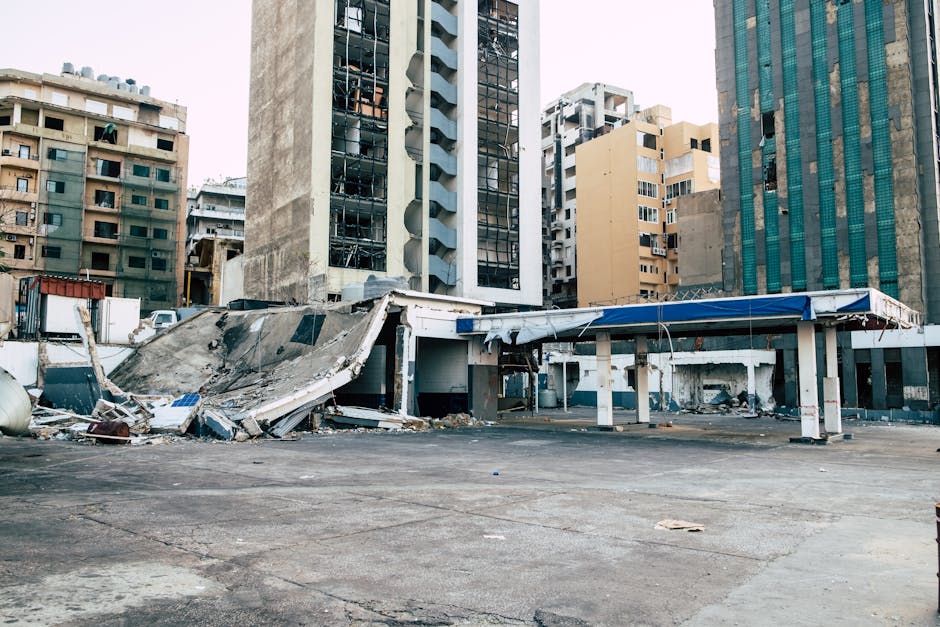
Image: GlobalBeat / 2026
Israeli strikes in Lebanon shatter fragile U.S.-Iran cease-fire, 14 dead
Muhammad Asghar | GlobalBeat
Israeli jets struck Hezbollah targets in eastern Lebanon overnight, killing 14 fighters and wrecking a U.S.-brokered truce after only 48 hours.
The pre-dawn raids hit arms depots near Baalbek and a command node outside Hermel, Lebanese security officials confirmed, ending the shortest lull in a three-week cross-border exchange that has drawn Iran and the United States to the brink of direct conflict.
Washington had announced the cease-fire on 7 April after days of back-channel talks with Tehran, hoping to halt rocket fire from southern Lebanon that has emptied Israeli border towns and triggered retaliatory Israeli bombardment of Beirut’s southern suburbs.
Lebanese Prime Minister Najib Mikati condemned the new strikes and warned the Israeli government it had “lit the match again”. Speaking to reporters in Beirut, Mikati said the attacks violated “written assurances” relayed by U.S. envoy Amos Hochstein that Israel would hold fire if Hezbollah stopped launching rockets.
Hezbollah’s media office claimed its fighters fired 60 Katyusha rockets at Israeli army posts in the Galilee within minutes of the air raids. The Israeli military said 42 crossed the border, 30 were intercepted and 12 landed in open areas, lightly wounding 3 civilians.
An Israeli army statement said the strikes targeted “precision-missile projects” funded and supervised by Iran’s Revolutionary Guards, not the low-grade rocket teams that have traded fire since 20 March. “We hit deep inside Lebanon because Iran thought it could smuggle in guided warheads under the cover of a fake cease-fire,” spokesman Lt-Col Richard Hecht told reporters.
Iran’s foreign ministry rejected the allegation. “Israel is looking for excuses to expand the war,” spokesperson Marzieh Afkham said in Tehran. She added that Iran had honoured a request from Washington to urge allied factions in Iraq and Lebanon to “exercise restraint for 72 hours” while diplomatic contacts continued.
The White House offered no immediate response to the collapse of its truce. President Donald Trump told Fox News earlier this week that “a short pause is fine, but we will not allow Iran to reload”. National Security Adviser Mike Waltz cancelled a scheduled briefing for senators, congressional aides said.
U.S. diplomats still in Beirut advised American citizens to leave Lebanon “while commercial flights remain available”. The embassy, already operating with a skeleton staff, chartered a private ferry to Cyprus expected to sail on 10 April, regional security officer Daniel Shields informed registered nationals by email.
Oil traders reacted instantly. Brent crude surged $2.41 to $92.17 a barrel, its highest since October, on fears that Iran could move to choke the Strait of Hormuz. “The cease-fire lasted two trading sessions,” said Richard Bronze of Energy Aspects in London. “Markets now price a one-in-three chance of deliberate Iranian disruption this quarter.”
Inside Israel, the military abruptly changed evacuation guidelines for 43 northern communities, telling residents who had returned on 7 April to shelter again in hotel accommodations farther south. The mayor of Kiryat Shmona, Avichai Stern, told army radio he had 1,200 families “packed and ready to quit” after renewed sirens before dawn.
United Nations peacekeepers in southern Lebanon counted at least 38 Israeli air sorties between 02:00 and 04:30 local time, spokesman Andrea Tenenti said. UNIFIL’s headquarters in Naqoura sustained blast damage but no casualties. The force renewed a call for “an immediate cessation of hostilities” it said had already been violated 127 times since March.
Hezbollah parliamentarian Hassan Fadlallah said the group would meet Israeli escalation “with new weapons tested in Syria”. He did not specify what those were. Israeli analysts said recent intelligence photographs showed what appeared to be Russian-made Krasnopol laser-guided artillery rounds on Lebanese trucks.
Background
The current exchange began on 20 March after an Israeli drone strike in Damascus killed Islamic Revolutionary Guards adviser Brig-Gen Mohammad Reza Zahedi. Iran responded on 1 April by firing 200 missiles at Israeli military bases, wounding a Bedouin child in the Negev desert. Israel’s cabinet then authorized an offensive meant to push Hezbollah north of the Litani river, reigniting a 2006 war front that had remained largely quiet for 18 years.
A U.S.-Iran confrontation looked possible after Trump ordered a carrier group to the eastern Mediterranean and warned of “decisive force” if American bases were hit. Iran signalled through Omani mediators it would halt proxy attacks if Washington pressed Israel for a reciprocal pause. The 48-hour cease-fire was announced by Hochstein on 7 April after talks in Amman with Iranian Deputy Foreign Minister Ali Bagheri Kani.
What’s Next
Iran’s supreme national security council meets on 9 April to weigh whether the cease-fire collapse amounts to an Israeli breach that justifies larger retaliation, officials in Tehran told GlobalBeat. In Washington, the Senate Foreign Relations Committee has requested a classified briefing before the weekend, raising the prospect of expedited military aid votes that could include long-range bombs Israel has sought since last year.
Regional capitals are watching two trip-wires: whether Hezbollah fires anti-ship missiles at Israeli gas rigs in the Mediterranean, and whether Iran’s navy loiters near the Hormuz shipping lanes with armoured drone boats. Either move, diplomats warn, could push Trump toward strikes inside Iran, ending the shadow war that has stayed just below the threshold of open conflict since 2019.
Senior Correspondent, World & Geopolitics
Muhammad Asghar covers international affairs, conflict zones, and US foreign policy for GlobalBeat. He has reported on events across the Middle East, South Asia, and Eastern Europe, with a focus on the intersection of diplomacy and armed conflict. He has been writing wire-service journalism for over a decade.