Iran War Live Updates: Trump Asserts Iran Wants to ‘Make a Deal’ as Missile Attacks Continue
Trump claims Tehran seeks deal as Iranian missiles strike Israel for second straight day.
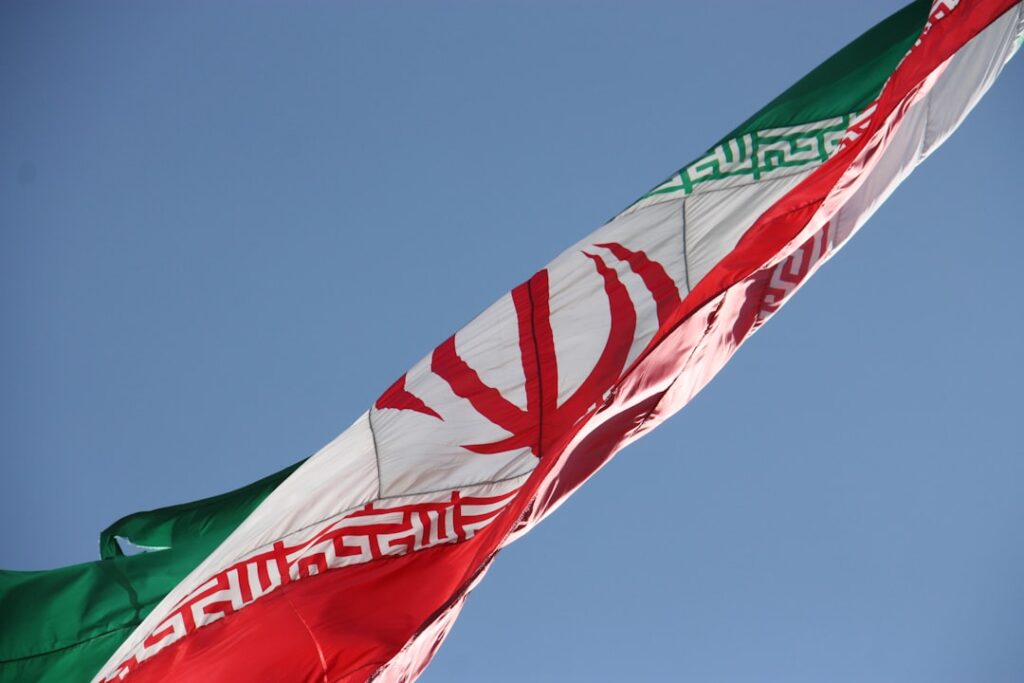
Image: GlobalBeat / 2026
Iran war: Trump claims Tehran seeks deal amid missile strikes
Former U.S. president Donald Trump said Iran wanted to negotiate as Iranian missiles struck Israel for a second straight day, Israeli officials confirmed.
Trump told reporters late Tuesday that Iranian representatives had signaled willingness to reach an agreement, without providing evidence or naming intermediaries.
The Republican’s statement came as Israel’s military reported more than 180 ballistic missiles fired from Iran since Monday, killing 1 person and injuring 9 near Tel Aviv.
Israeli Prime Minister Benjamin Netanyahu convened his security cabinet for a third consecutive night, the prime minister’s office said. The meeting ended after midnight with no public statement on Israel’s response timeline.
U.S. Defense Secretary Lloyd Austin spoke twice with Israeli Defense Minister Yoav Gallant on Tuesday, Pentagon press secretary Pat Ryder said. The calls focused on “coordination against Iranian aggression,” according to Ryder’s readout.
Iran’s Revolutionary Guards claimed responsibility for the missile barrage, saying they targeted three Israeli military bases plus Mossad intelligence headquarters north of Tel Aviv. The Guards statement said the attacks “successfully hit all designated targets.”
Israel’s military disputed this assessment. Rear Admiral Daniel Hagari told reporters that most missiles were intercepted and damage was “minimal.” He said Israel’s air defenses shot down “the vast majority” of incoming projectiles.
The violence marked an escalation from October 1, when Iran fired roughly 200 missiles at Israel in what Tehran called retaliation for Israeli strikes that killed Iranian commanders in Syria and Lebanon. Monday’s salvo injured 2 Israelis, medics said.
Trump addressed supporters at his Florida estate after the second wave of attacks. “Iran wants to make a deal,” the former president said. “They’re getting decimated. They want to make a deal very badly.”
He offered no details on how such negotiations might occur or what terms Iran had floated. The Iranian mission to the United Nations did not respond to requests for comment on Trump’s claim.
The former president’s Democratic opponent, Vice President Kamala Harris, issued her own statement condemning Iran’s “unprecedented attack.” Harris told reporters in Washington that the United States “will not hesitate” to take further action to defend Israel.
U.S. Navy destroyers fired roughly 12 interceptors against Iranian missiles on Tuesday, defense officials said. The Pentagon announced it would send a Terminal High Altitude Area Defense battery to Israel along with additional U.S. troops to operate the system.
Oil prices jumped 5% on the missile news, with Brent crude trading above $75 per barrel in Asian markets Wednesday. The spike reversed three weeks of steady declines, analysts at Goldman Sachs noted in a client briefing.
European Union foreign ministers planned emergency talks for Thursday in Luxembourg, the EU’s top diplomat Josep Borrell announced. Borrell called Iran’s strikes “an unacceptable escalation” that risked “regional conflagration.”
Russia and China urged restraint without condemning Iran directly. Kremlin spokesman Dmitry Peskov told reporters that Moscow wanted “all parties to avoid steps that could trigger a wider conflict.” China’s Foreign Ministry repeated its standard call for “relevant parties to remain calm.”
Background
Iran and Israel have fought a shadow war for decades through proxies, cyber attacks and targeted killings. The conflict intensified after Iran’s 2015 nuclear deal with world powers collapsed when Trump withdrew the United States in 2018 and reimposed sweeping sanctions.
Tehran has armed and funded Hezbollah in Lebanon and Hamas in Gaza, both of which have fought repeated wars with Israel. Israel has responded with hundreds of airstrikes in Syria aimed at preventing Iran from establishing a permanent military foothold near Israeli territory.
What’s Next
Netanyahu must decide whether to retaliate directly against Iranian territory, a move that could trigger wider regional war. Israeli officials have promised a “painful” response but have not specified timing or targets.
The International Atomic Energy Agency’s 35-nation board meets next week in Vienna, where Iran’s nuclear activities are certain to dominate discussions. Israel has long warned it could strike Iranian nuclear facilities if diplomacy fails to curb Tehran’s program.